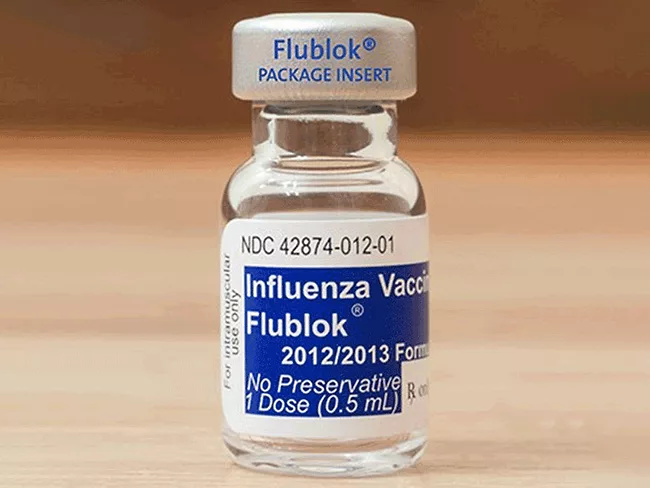
DUBLIN – Sanofi SA and Glaxosmithkline plc are lending their considerable weight to the urgent global effort to develop a vaccine for COVID-19 by teaming up to develop an adjuvanted recombinant subunit vaccine that will employ technologies from each company. Paris-based Sanofi is contributing its recombinant spike protein antigen and its baculovirus expression system, which is also the basis of its U.S.-licensed influenza vaccine Flublok. London-based GSK is contributing its pandemic adjuvant technology.
In order to redirect health care resources and protect patients during the COVID-19 pandemic, many drug companies have paused enrollment in some or all of their ongoing clinical trials. But patients still in the studies need to be followed for safety and efficacy, creating challenges for the industry.
DUBLIN – At the best of times, drug development is, of course, a complex problem. It is all the more demanding still in the middle of a pandemic, when the threat to human life is increasing exponentially, and health care systems are buckling under an extraordinary burden. Optimizing the development of drugs and vaccines in order to quickly generate high-quality evidence of their safety and efficacy is, therefore, a critical task, but an online webinar organized by the drug development consultants Certara LP, in conjunction with the Bill and Melinda Gates Foundation, suggested that, at this stage of the crisis, that lesson has yet to be absorbed.
“Vaccines, obviously, are the ultimate solution for pandemics,” Rino Rappuoli told BioWorld. They have, he added, “already eliminated a lot of pandemic threats – smallpox, influenza, poliomyelitis.” And the road to normalcy from the current pandemic, or any pandemic, is likely to be open only once there is a vaccine.
DUBLIN – The EMA has activated a COVID-19 task force to coordinate and accelerate the European regulatory response to the pandemic. The task force is intended to take a lead role in shaping the development, authorization and post-approval surveillance of drugs and vaccines for treating or preventing COVID-19 infection.
Specific therapies against a new disease take time to develop. But there are methods that can speed up that development – and in the meantime, there are ways to make do with what’s already in the cupboard.
There will be lessons learned aplenty when the COVID-19 pandemic finally breaks, including how serological and molecular testing can be used to maximum effect to corral a future pandemic. Carmen Wiley, president of the American Association of Clinical Chemistry, told BioWorld that the existing instrument types are up to the job, but that surge capacity is needed, and that it is not clear how the cost of that capacity will be handled.
“In any crisis, leaders have two equally important responsibilities: solve the immediate problem and keep it from happening again... The first point is more pressing, but the second has crucial long-term consequences.” So wrote Bill Gates in a February editorial in The New England Journal of Medicine about COVID-19, which “has started behaving a lot like the once-in-a-century pathogen we’ve been worried about.”
It took less than a week from the publication of Science 37’s whitepaper on March 12 encouraging virtual clinical trials to the FDA’s decision to endorse the idea, tailored to address the COVID-19 pandemic.
It took less than a week from the publication of Science 37’s whitepaper on March 12 encouraging virtual clinical trials to the FDA’s decision to endorse the idea, tailored to address the COVID-19 pandemic.