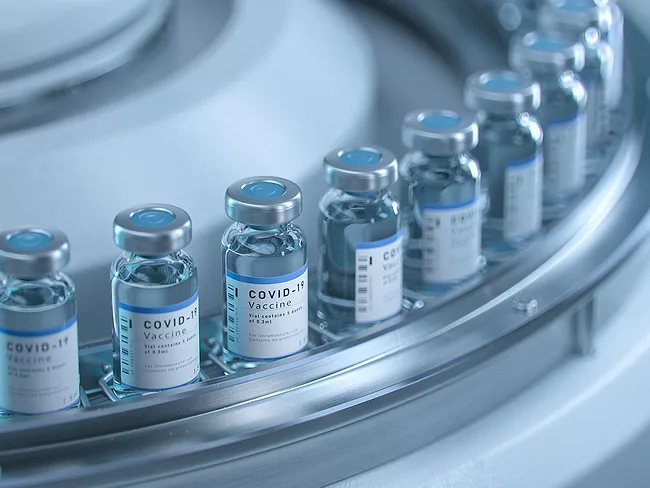
While the biopharma industry was widely praised for its fast response to the COVID-19 pandemic, moves are afoot to ensure that the world is better prepared in case another pandemic hits. Moderna Inc. was one of the companies that blazed a trail in the early stages of the pandemic with its revolutionary mRNA vaccine. Now the firm is investing in manufacturing and R&D in the U.K. to make good on a pledge to respond to the next global disease threat within 100 days of its detection.
While the World Trade Organization (WTO) is taking a victory lap for getting a five-year intellectual property (IP) waiver across the finish line for COVID-19 vaccines, the accomplishment is being panned by spectators on both sides of the track.
Medical device supply chain considerations became especially salient during the COVID-19 pandemic, but the U.S. FDA is interested in ensuring that supply chains do not hamper patient access going forward. However, Clayton Hall of the Medical Device Manufacturers Association (MDMA) said on a recent FDA webinar that device makers are sometimes at the mercy of their suppliers.
Afrigen Biologics (Pty) Ltd. is teaming up with two Belgian firms to co-develop and produce an mRNA-based COVID-19 vaccine intended for distribution throughout Africa. It’s an open question whether the vaccine will actually contribute to the present pandemic response, given the timelines involved in both validating the production facility that will produce the end product and in running the necessary trials in order to gain approval.
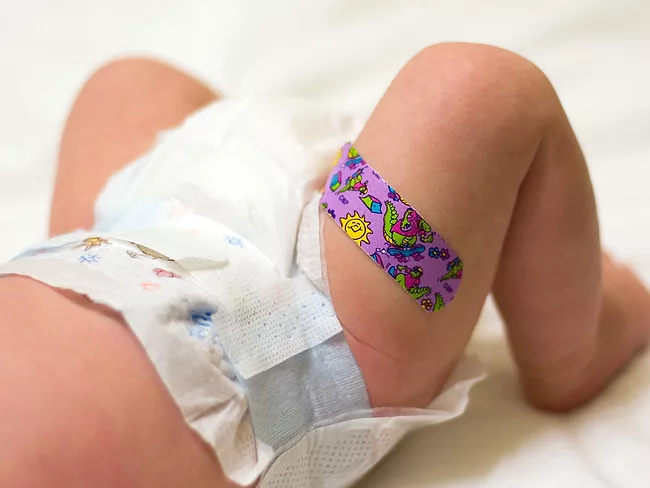
Instead of “Mother, may I” for COVID-19 vaccines for children 6 months through 5 years of age, the U.S. CDC is saying the correct response is “I should.” That was the recommendation June 18 from the CDC’s Advisory Committee on Immunization Practices. CDC Director Rochelle Walensky wasted no time in endorsing the recommendation, which came just a day after the FDA authorized the vaccines from Moderna Inc. and Pfizer Inc.-Biontech SE for babies, toddlers and preschoolers.
Just days after U.S. FDA advisors unanimously backed use of both the Moderna Inc. and Pfizer Inc.-Biontech SE COVID-19 vaccines in children 6 months and older, the FDA has expanded emergency use authorizations for the products. Availability could follow as soon as June 21, after a meeting of the CDC’s ongoing Advisory Committee on Immunization Practices, wraps up June 18.
What was billed as a U.S. Senate Health, Education, Labor and Pensions Committee hearing June 16 to get an update from top government health officials on the nation’s response to COVID-19 was, in reality, a concerted effort to get Republicans in the U.S. Senate to open the checkbook so the Biden administration could fill in the amount for more COVID-19 spending, Ranking Member Richard Burr (R-N.C.) charged as he concluded the hearing.
After a two-day session of the FDA’s Vaccines and Related Biologic Products Advisory Committee, the U.S. is within days of a long-awaited milestone of having not just one but at least two vaccines available for nearly every American. The VRBPAC voted unanimously, 21-0, June 15 to support amending the emergency use authorizations for both the Moderna Inc. and Pfizer Inc.-Biontech SE COVID-19 mRNA vaccines to allow their use in children 6 months and older.
A day after announcing it would pump $120 million into a Michigan manufacturing facility for Paxlovid (nirmatrelvir/ritonavir), Pfizer Inc. produced new data it plans to use in an U.S. NDA submission for treating COVID-19. While some data for the oral antiviral fell short of statistical significance, other companies are not far behind Pfizer in their drive for FDA acceptance using similar approaches.