The French and German governments have just announced a major project to develop a digital platform for the early detection of new respiratory pathogen epidemics, and then monitor their spread and inform decisions on appropriate counter measures. The COVID-19 crisis has confirmed the need for a resilient multi-stakeholder surveillance and control system to manage current and future epidemics or pandemics.
After listing on the Nasdaq market on May 18, Hong Kong-based diagnostics and genetic testing company Prenetics Group Ltd. saw its shares fall nearly 30% in early trading, dropping from $8.40 per share on listing to $5.70 by the end of trading May 19. Trading under the ticker PRE, Prenetics formed a merger with Artisan Acquisition Corp., a special purpose acquisition company, which was founded by entrepreneur Adrian Cheng. The transaction values Prenetics at an enterprise value of $1.25 billion, making the company the first Hong Kong unicorn to list on the Nasdaq.
The Biden administration recently reported that a new round of free rapid tests for the SARS-CoV-2 virus is available to the public, a development that coincides with a new surge of the latest sub-variant of the omicron variant. However, the administration is also expected to renew the public health emergency (PHE) for the pandemic, even as the White House continues to press Congress for another $22 billion in pandemic-related funding.
Findings from three recent studies are shedding light on the pathways that are activated in severe cases of COVID-19, paving the way for earlier diagnosis and more targeted treatments.
A year after the World Health Organization's (WHO) Independent Panel for Pandemic Preparedness and Response called for reforms to make COVID-19 the last pandemic, the panel remains solidly frustrated in its lack of progress.
The pandemic exponentially amplified the move to more patient-driven health care with at-home monitoring, wearable medical devices and telemedicine. Testing has arguably seen the greatest shift, led by emergency use authorizations (EUA) for dozens of rapid tests for SARS-CoV-2. Laboratory Corp. of American Holdings Inc. (Labcorp) stands to benefit even more from the trend with an EUA for an over-the-counter multiplex respiratory virus test and the launch of an at-home collection kit for testing hemoglobin A1c (HbA1c) this week.
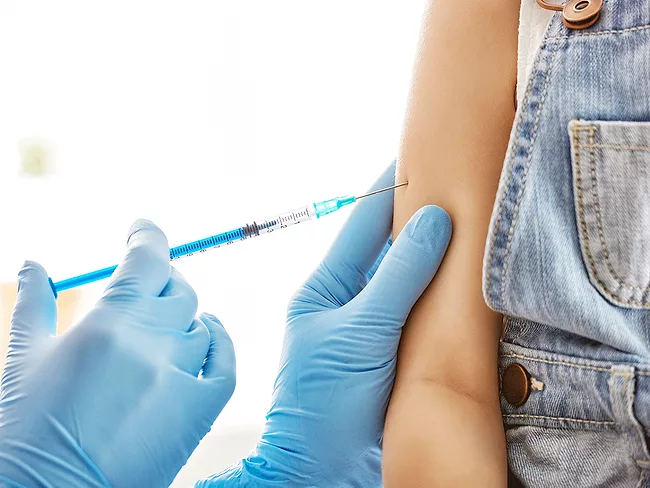
While children younger than 5 in the U.S. still have no vaccine protection against COVID-19, those 5 and older may be able to get a third jab. The FDA authorized, May 17, the use of a single booster dose of the Pfizer Inc.-Biontech SE vaccine for kids 5 through 11 years of age who completed the primary two-dose series at least five months earlier.
An unknown U.K. biotech, RQ Biotechnology Ltd., has emerged from stealth mode with a $157 million licensing deal with Astrazeneca plc for its monoclonal antibodies, aimed at protecting vulnerable and immunosuppressed people against SARS-CoV-2.
Among the policies the U.S. FDA’s device center leveraged for testing during the COVID-19 pandemic was the long-standing enforcement discretion lever, which drew less attention than the agency’s use of emergency use authorizations (EUAs). Nonetheless, the Government Accountability Office (GAO) urged the FDA to develop a formal policy for the use of enforcement discretion for pandemic-related tests, including some metrics for when that discretion would come to an end.
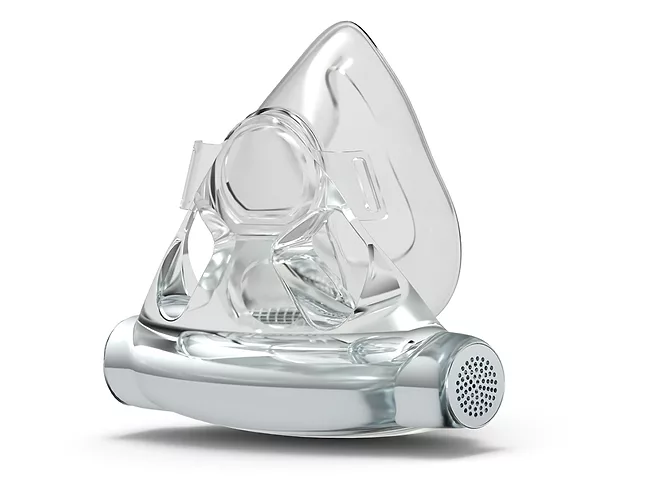
Henley Ion LLC has released data showing its filter-less respirator device can remove more than 99% of SARS-CoV-2 bioaerosols. The mask prototype developed by physician and surgeon Julian Henley, uses micronized electrostatic precipitation (mEP) to remove infectious aerosol particles from both inhaled and exhaled air. Results from the study have been published in the Viruses journal and confirm the device can provide equivalent protection from infectious bioaerosols as N95 respirators.