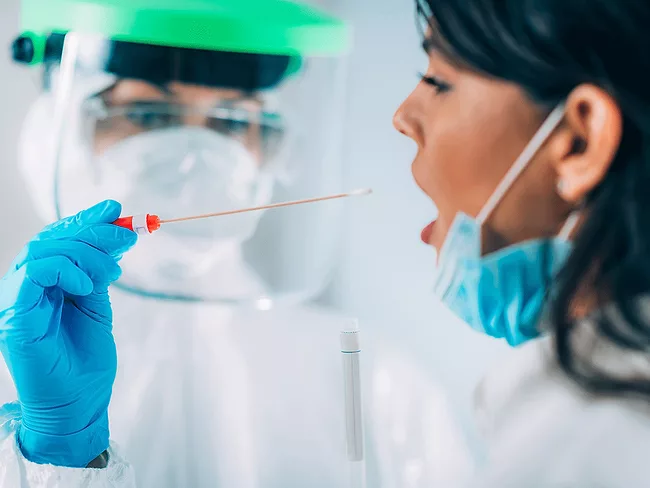
The U.S. FDA’s priorities for testing for the SARS-CoV-2 virus have shifted as circumstances have changed, and the agency is putting more emphasis into testing of pooled samples. Toby Lowe, the associate director of the Office of In Vitro Diagnostics and Radiological Health (OIR), said on the July 8 diagnostic town hall that the agency wants to encourage test developers to work on their existing EUAs for pooled sampling.
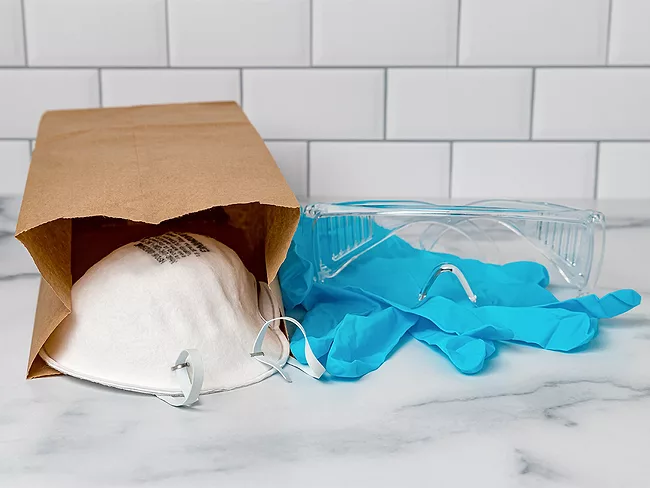
The U.S. FDA held a July 7 webinar to go over a recent guidance on decontamination and bioburden reduction of N95 masks for the COVID-19 pandemic, and one of the take-away messages is that the agency is still quite concerned about the impact of residues left over from those processes, given that some of these residues can be inhaled by the wearer and trigger health problems of their own.
Sommetrics Inc. said Tuesday that it has requested emergency use authorization from the U.S. FDA to market its Aersleep II device for sleep apnea patients at risk of COVID-19. The aim is to reduce the transmission of SARS-CoV-2, the virus that causes COVID-19, by treating infected patients with sleep apnea with Aersleep instead of continuous positive airway pressure (CPAP) therapy.
The U.S. FDA detailed which kinds of SARS-CoV-2 tests are getting top priority, with access to rolling, rapid reviews for emergency use authorization (EUA) during the unfolding pandemic. The agency is aiming to authorize point-of-care and at-home tests to better distribute the use of testing in various locations. It also is looking at automated and high-throughput tests that can offer analysis of larger batches of tests at one time.
Clew Medical Ltd., of Netanya, Israel, has secured an emergency use authorization (EUA) from the U.S. FDA for its ClewICU system for use with COVID-19 patients in intensive care units (ICUs). The screening system is a standalone software as a medical device product that uses vital signs, laboratory data, medications and other information to assess the likelihood a patient has been infected with SARS-CoV-2, the virus that causes COVID-19.
Just 80 days after first issuing an emergency use authorization (EUA) for oral formulations of chloroquine phosphate (CQ) and hydroxychloroquine sulfate (HCQ) in treating COVID-19, the FDA is revoking that authorization in light of clinical data and scientific literature that raised questions about whether benefits of the treatment outweigh the risks.
The U.S. FDA granted San Diego-based Illumina Inc. an emergency use authorization (EUA) for the first COVID-19 diagnostic test that uses next-generation sequencing (NGS). In addition to diagnosing infection with SARS-CoV-2, the COVIDSeq test can help researchers track mutations in the coronavirus.
The impact of the COVID-19 pandemic has reached into quarters that are not historically problematic for makers of diagnostics, including China’s import and export practices for test kits. According to one caller on an FDA diagnostic town hall, export officials in China have a blacklist and a whitelist for test kits, but there is some dispute as to whether kits that are eligible for distribution in the U.S. can get off the blacklist unless that kit is specifically called out via the emergency use authorization (EUA) program.
The latest U.S. FDA town hall for testing for the COVID-19 included a few updates on serological testing, but perhaps the most important take-away was when Tim Stenzel, director of the Office of In Vitro Diagnostics and Radiology, advised attendees that performance expectations regarding next-generation sequence (NGS) testing for the SARS-CoV-2 virus will closely resemble those of conventional molecular testing.
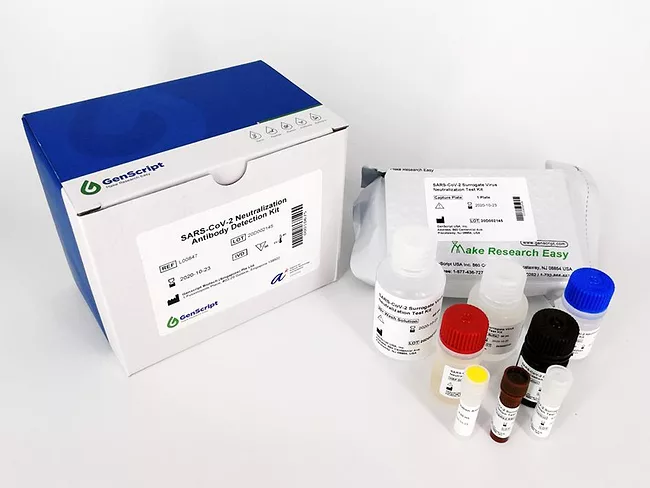
As more COVID-19 antibody testing becomes available, one question has been on everybody’s mind: Does the presence of antibodies to SARS-CoV-2, the virus responsible for the global pandemic, mean that people are protected from future infection? To that end, Genscript Biotech Corp., of Piscataway, N.J., has applied for emergency use authorization (EUA) with the U.S. FDA to market a test that specifically recognizes neutralizing antibodies to SARS-CoV-2.