The COVID-19 pandemic has not run its course, but the U.S. FDA is already working on a plan for handling devices in the period after the public health emergency ends. Bill Maisel, chief medical officer at the FDA’s Center for Device and Radiological Health (CDRH), said the agency is thinking through what would have to appear in a guidance for a transition that may span a number of months, providing industry with some much-needed breathing room.
The latest global regulatory news, changes and updates affecting biopharma, including: FDA stands by plasma EUA; Benzodiazepines to get added warnings; EMA posts draft guidance for registry-based studies; SEC finalizes whistleblower changes; Gilead to pay $97M; Plandai, CEO settle with SEC.
Visby Medical Inc. emerged from stealth mode to secure emergency use authorization (EUA) from the U.S. FDA for its Personal PCR device for detection of COVID-19 infections. It is the first FDA-authorized portable device to use the polymerase chain reaction technology for COVID-19 testing. The San Jose, Calif.-based company was known as Click Diagnostics Inc. until March 2020.
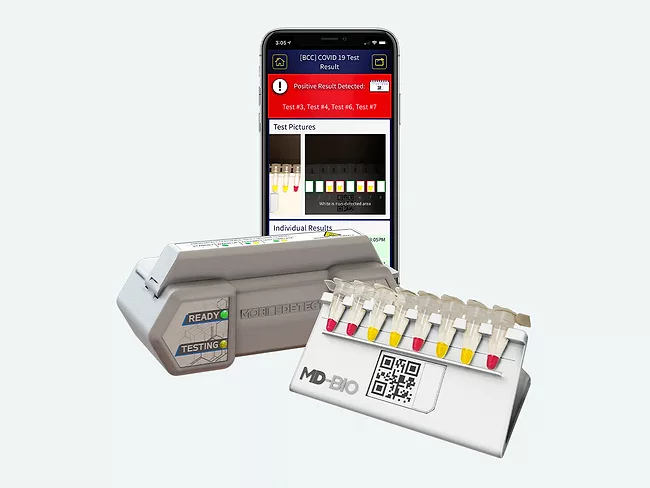
Detectachem Inc. has scored an emergency use authorization (EUA) from the U.S. FDA to market a new molecular RNA test kit for SARS-CoV-2 that provides color-coded results in about 30 minutes.
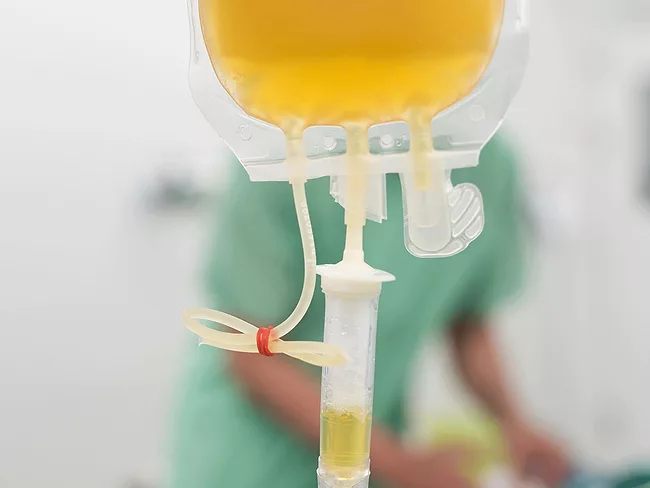
While the emergency use authorization (EUA) the FDA granted Aug. 23 for convalescent plasma remains a political talking point, the agency moved ahead Sept. 2, issuing an updated, immediately effective guidance on the use of convalescent plasma to treat COVID-19 patients in ongoing clinical trials, on an expanded access basis or under the EUA.
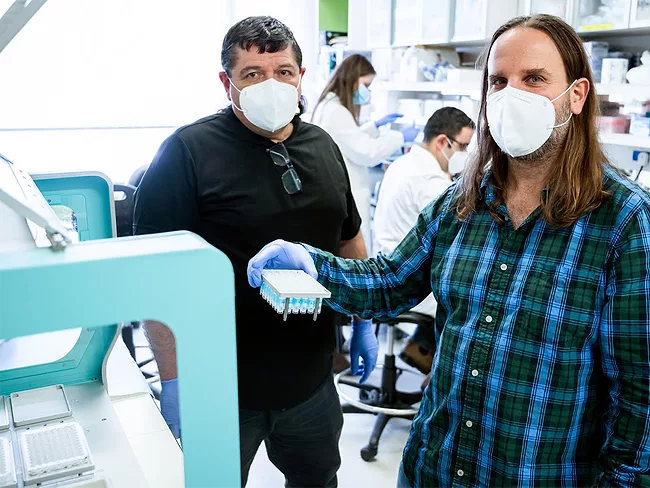
Pooled testing was hailed early in the COVID-19 pandemic as a way to quickly and efficiently increase the number of people tested for the virus. But the approach has fallen short of its promise for a variety of reasons, from supply and labor shortages to high community infection rates. Now, a new testing method – recently approved for use by laboratories in Israel – could help chip away at some of those issues.
A number of controversies have swirled around the U.S. FDA’s handling of the COVID-19 pandemic, including the question of the emergency use authorization (EUA) program for testing. The FDA’s Tim Stenzel said on an Aug. 26 testing town hall that he would not answer questions about the rescission order for FDA regulation of lab-developed tests (LDTs), but also said, “we are simply overwhelmed” with EUA filings for testing.
The U.S. Department of Health and Human Services (HHS) has ordered the FDA to cease requiring developers of lab-developed tests (LDTs) to go through the agency’s premarket review mechanisms before offering an LDT. The context of the order might at first blush be interpreted as limiting the scope of the order to the public health emergency (PHE) to the COVID-19 pandemic, but the statement expands the temporal scope by referencing a need for rulemaking on the FDA’s part, one of several indications that this order is intended to outlast the PHE.
The U.S. FDA has granted emergency use authorization (EUA) to Lumiradx UK Ltd. for its point-of-care SARS-CoV-2 antigen test, which aims to speed the diagnosis of people suspected of having the virus that causes COVID-19. The test detects antigen nucleocapsid protein from a nasal swab taken from symptomatic patients and delivers results in less than 12 minutes.
The COVID-19 pandemic has spurred a considerable amount of testing innovation, including more extensive use of saliva as a medium for detection of pathogens. The U.S. FDA has announced an emergency use authorization (EUA) to Yale School of Public Health for the Salivadirect testing protocol that requires no extraction of the SARS-CoV-2 virus’s RNA, a feature that Assistant Secretary for Health Brett Giroir said is “yet another testing innovation game changer that will reduce demand for scarce testing resources.”