The U.S. FDA has expanded the emergency use authorization (EUA) for Rutgers University’s saliva-based COVID-19 test to include at-home use of Spectrum Solutions LLC’s SDNA-1000 whole saliva collection device, a development that underscores the need for wider testing as localities across the country emerge from lockdown and restart their economies. This is the first at-home option for saliva collection; the action comes just two weeks after the FDA authorized Laboratory Corp. of America’s polymerase chain reaction test for SARS-CoV-2, the virus that causes COVID-19, to include the company’s Pixel self-collection kit for nasal samples.
The U.S. FDA continues to modify its emergency use authorization (EUA) policy for testing for the SARS-CoV-2 virus, although workplace testing is still on the agency’s to-do list. The FDA’s Tim Stenzel noted on a May 6 briefing that serological tests for antibodies must now demonstrate an overall sensitivity of 90% and overall specificity of 95%, a set of standards that might challenge some tests that are available under the EUA policy.
The FDA has revised its emergency use authorization (EUA) policy for testing for the COVID-19 pandemic, the impact of which falls principally on serological tests for antibodies generated by the SARS-CoV-2 virus. The agency had previously allowed a commercial antibody test developer to distribute a test without submitting the validation data, but makers of such tests now must forward the validation data to the FDA within 10 days, a move prompted in part by inappropriate claims made by some test developers.
Bio-Rad Laboratories Inc. has launched its SARS-CoV-2 Total Ab test, which is a blood-based assay to identify all the antibodies that are developed by the human body in response to the novel coronavirus SARS-CoV-2. Companies have been racing to offer serological tests that work to detect the antibodies developed during a COVID-19 infection that remain present in the blood after the initial infection clears.
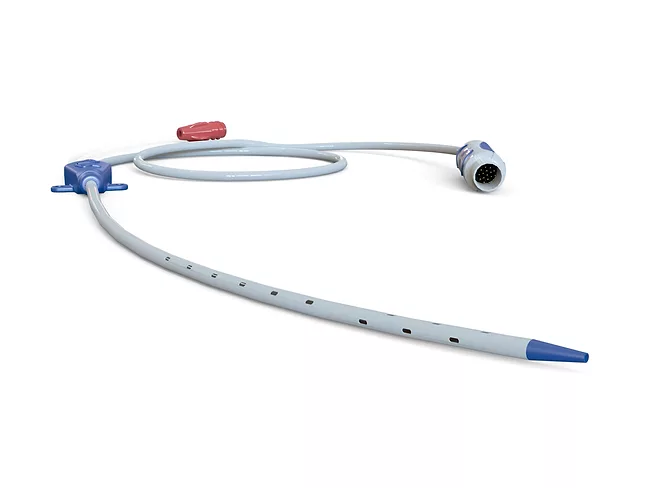
Reports of unusually high death rates for COVID-19 patients on ventilators have raised alarms, and some doctors are looking to reduce reliance on the breathing machines when possible. To advance that goal, Lungpacer Medical Inc., of Vancouver, British Columbia, has obtained an emergency use authorization (EUA) from the U.S. FDA for its Lungpacer diaphragmatic pacing therapy system (DPTS) for immediate use in ventilator patients at high risk of weaning failure, including patients with the novel coronavirus.
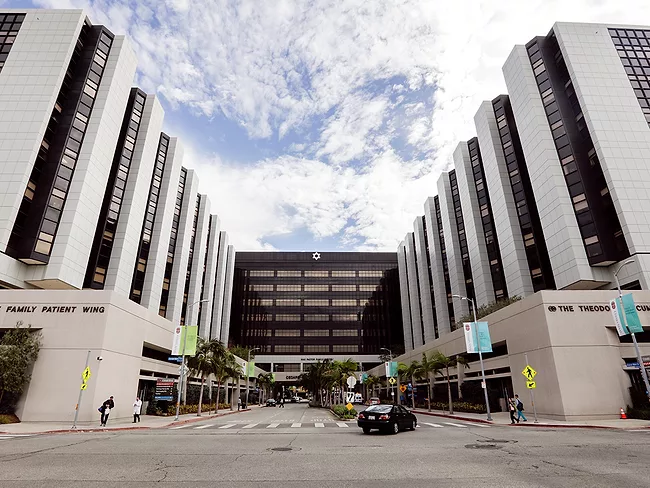
Ultraviolet (UV) light has a long-standing track record in use as an antimicrobial. But the primary limitation to using UV light in relation to the human body is that it can also potentially damage its cells. A group of researchers at the Cedars-Sinai Medical Center in Los Angeles, Calif., known as the Medically Associated Science and Technology (MAST) team, is now researching safe UV technology for use in COVID-19 treatment.
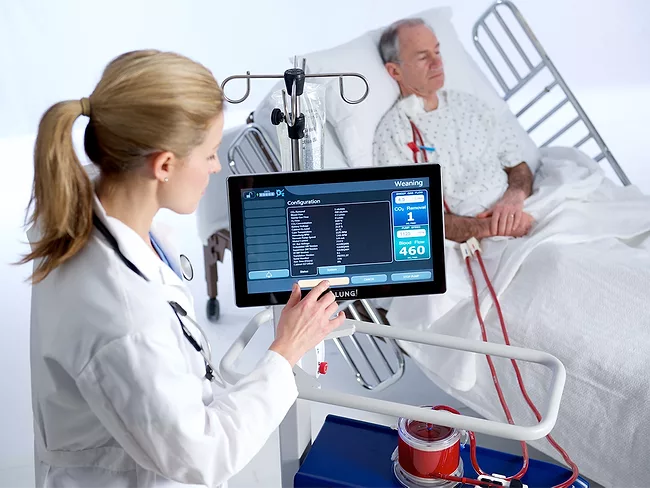
Pittsburgh-based Alung Technologies Inc. has received emergency use authorization from the U.S. FDA for its Hemolung Respiratory Assist System (RAS) to treat lung failure caused by COVID-19. The technology could help to ease demand for ventilators, which have been in short supply in coronavirus hot spots, and provide an alternative for patients who can’t tolerate mechanical ventilation.
The U.S. FDA reported that it has expanded the emergency use authorization for the Labcorp polymerase chain reaction (PCR) test for SARS-CoV-2 to include the company’s Pixel self-collection kit, a development that may presage a wider testing paradigm that is needed to restore the U.S. economy to normalcy.
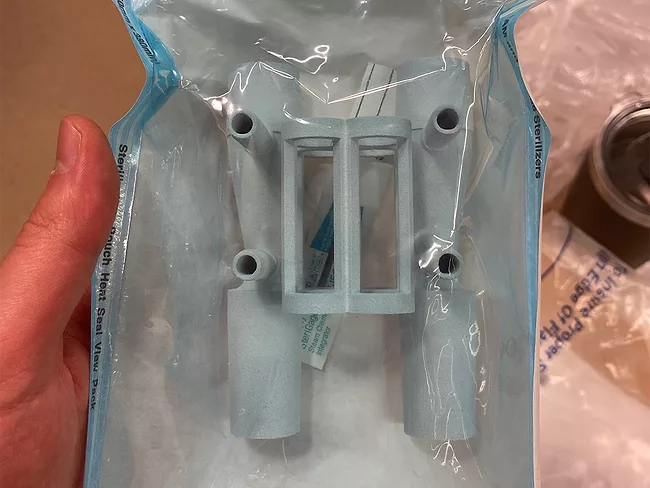
The U.S. FDA has granted emergency use authorization (EUA) to New Haven, Conn., startup Vent Multiplexor LLC for its emergency rescue co-ventilation device. Developed in collaboration with Yale New Haven Hospital, the Vent Multiplexor enables individualized mechanical ventilation of two adults on a single ventilator – lessening demand for more critical care machines in the ongoing COVID-19 outbreak.
The COVID-19 pandemic has moved rapidly over the past few weeks, and Ortho Clinical Diagnostics Inc. is doing its part to help during the crisis. To that end, the Raritan, N.J.-based company has worked to successfully secure an emergency use authorization (EUA) for its total antibody assay for COVID-19, the Vitros Immunodiagnostic Products Anti-SARS-CoV-2 total reagent pack and calibrators.