In a little more than a month, 17 big biopharma companies will be subject to U.S. President Donald Trump’s long-promised section 232 global biopharma sector tariff. But instead of paying the 100% duty on imported patented drugs and their key ingredients, most of those companies, if not all, will pay much reduced rates or no tariff at all, based on where the imports are coming from, what type of drug is being imported, and whether the companies have signed onshoring and most-favored-nation pricing agreements with the administration.
On the heels of the ouster of Marty Makary as the U.S. FDA commissioner and the serial leadership vacancies at the CDC and the FDA’s drugs and biologics centers, the government’s adherence to science took another blow May 16 when Sen. Bill Cassidy, R-La., lost the Louisiana primary, ending his bid for re-election.
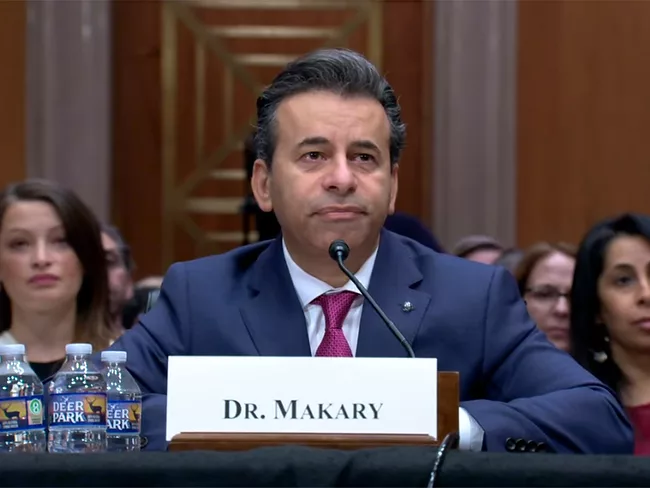
U.S. President Donald Trump ended days of rumors and speculation when he confirmed May 12 that Marty Makary is resigning as FDA commissioner. Speaking with reporters before heading off to China for a two-day summit, Trump wouldn’t comment on whether he or someone else asked Makary to step down. However, while calling Makary a “wonderful man” and a “great guy, who’s a friend of mine,” the president acknowledged that “he was having some difficulty” at the FDA.
Amid calls for transparency on the most-favored nation (MFN) pricing deals U.S. President Donald Trump has reached with 17 biopharma companies, the White House Council of Economic Advisers released a report May 5 detailing how the volunteer MFN policy works and touting the $530 billion-plus in savings it’s projected to deliver over the next 10 years.
Timothy Leary is dead, but he could be on the outside looking in with a smile on his face as U.S. President Donald Trump’s latest executive order (EO) fuels a surge in investment in companies researching and developing psychedelic drugs to treat mental health issues. The EO, Accelerating medical treatments for serious mental illness, is intended to address the increasing burden of suicide and serious mental illness, which impacts more than 14 million Americans.
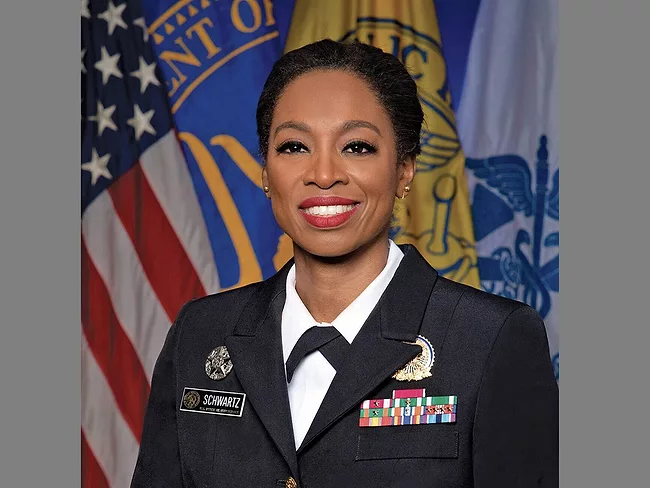
As U.S. President Donald Trump’s third nominee for CDC director, Erica Schwartz will soon find out if three times really is a charm. Trump announced the nomination on social media April 16, touting Schwartz’s credentials for the job. Calling her “incredibly talented,” Trump cited her “distinguished career” as a military doctor, in the Navy and Coast Guard, and her service as deputy surgeon general during his first term in office.
Despite key vacancies, ongoing staffing challenges and policy issues at the U.S. CDC, FDA and NIH, some of the regulatory churn that roiled those agencies in the first year of the second Trump administration is settling a bit, at least in terms of the number of executive orders (EOs) coming out of the Oval Office.
After nearly a year of threats and promises of a global biopharma tariff of 25% to 500%, U.S. President Donald Trump finally delivered it. In the name of national security, he imposed a 100% sector tariff on prescription drugs and their associated ingredients beginning in about four months for large manufacturers and six months for smaller companies.
After nearly a year of threats and promises of a global biopharma tariff of 25% to 500%, U.S. President Donald Trump finally delivered it. In the name of national security, he imposed a 100% sector tariff on prescription drugs and their associated ingredients beginning in about four months for large manufacturers and six months for smaller companies. However, depending on the drug, where it’s made and whether a manufacturer has reached onshoring and pricing agreements with the Department of Health and Human Services, the actual tariff could be as low as 0%.
Perhaps the biggest indicator of U.S. President Donald Trump’s activism in his second term is the 225 executive orders (EOs) he issued in 2025. The pace of those orders seems to have slowed, with “only” 16 released in the last quarter of the year. Four of the recent EOs could impact drug and device companies in a myriad of ways.