Structure-guided design for carbazole antagonists of Toll-like receptors 7 and 8 (TLR7/8) for the potential treatment of autoimmune disorders was reported by Bristol Myers Squibb Co. TLR activation can induce proinflammatory pathway activation, which has been identified in patients with lupus.
Identification of selective, ligand-efficient ATP-competitive inhibitors of calcium/calmodulin-dependent protein kinase kinase 2 (CAMKK2) for the potential treatment of cancer was discussed by Bristol Myers Squibb Co. (BMS).
It’s another setback for Jounce Therapeutics Inc. Top-line data from the phase II Select study of vopratelimab, the company’s lead candidate, combined with pimivalimab vs. pimivalimab alone in 69 patients missed its primary endpoint of mean tumor change when averaged over nine and 18 weeks. The clinical trial participants were immunotherapy naïve, immunotherapy TISvopra biomarker-selected, second-line non-small-cell lung cancer (NSCLC) patients.
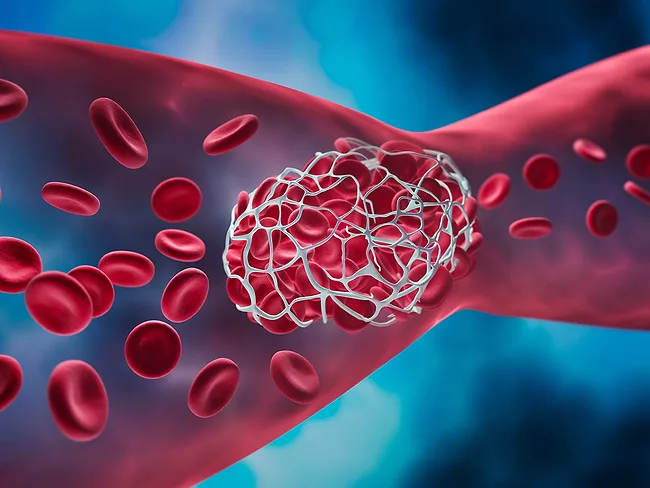
Factor XIa inhibitors milvexian and asundexian, hailed as the next-generation class of anticoagulants, earned mixed reviews on phase II data presented during the European Society of Cardiology Congress 2022. However, developers Bristol Myers Squibb Co./Janssen Pharmaceutical Co. and Bayer AG, respectively, are moving into late-stage testing, citing clear mechanisms of action that put the FXIa drugs at least on par with approved factor Xa drugs in terms of efficacy while offering potentially better safety profiles that could give physicians an option for patients with stroke or atrial fibrillation who are currently undertreated with anticoagulants due to bleeding risks.
As the PDUFA date looms for Bristol Myers Squibb Co. with its candidate, deucravacitinib, for psoriasis, others – notably Dice Therapeutics Inc. – strive for new solutions to the skin disease, which has remained problematic for many patients despite approvals of multiple drugs in various classes.
Bristol Myers Squibb Co. has agreed to pay up to $1.9 billion plus royalties, plus an up-front payment of undisclosed value, for Gentibio Inc.’s expertise in engineered regulatory T cells (Tregs) to treat inflammatory bowel diseases (IBD). The agreement follows soon after BMS’ $4.1 billion acquisition of cancer biotech Turning Point Therapeutics Inc., as well as an expansion of its oncology partnership with Bridgebio Pharma Inc. to the tune of $905 million.
Shanghai Henlius Biotech Inc. signed an exclusive licensing deal with Organon LLC under which Organon will in-license rights for two of Henlius’ internally developed biosimilar candidates for global commercialization, excluding China, Hong Kong, Macau and Taiwan.
In one of the year’s biggest deals, Bristol Myers Squibb Co. (BMS) is buying Turning Point Therapeutics Inc. for about $4.1 billion to get at a potential cancer blockbuster, repotrectinib. The oral tyrosine kinase inhibitor, Turning Point’s lead asset, targets ROS1 and TRK in treating ROS1-positive metastatic non-small-cell lung cancer. Once the deal closes, BMS’ acquisition of Turning Point would be the second largest of the year. The biggest remains Pfizer Inc.’s purchase of San Diego’s Arena Pharmaceuticals Inc. for $6.7 billion in March.
Bridgebio Pharma Inc. is going back to the Bristol Myers Squibb Co. (BMS) well to restore its stalled momentum as the two companies have supercharged their July 2021 collaboration to develop an SHP2 inhibitor. Bridgebio could receive up to $905 million, including an up-front payment of $90 million plus $815 million in milestone and royalty payments, expected to be in the low- to midteens, in its new BMS collaboration to develop and commercialize BBP-398 in oncology.
Bristol Myers Squibb Co. has announced long-term data from its closely watched psoriasis pill, deucravacitinib, which it hopes will supplant Amgen Inc.’s blockbuster, Otezla (apremilast), as the main oral therapy for the disease.