Advancing efforts from PDUFA VI, the seventh iteration of the user fee agreement negotiated between the U.S. FDA and drugmakers is intended to take patient involvement in drug development to the next level, support a new wave of biologics, and provide more tools for developing therapies and cures for rare and ultra-rare diseases.
Six weeks ahead of its PDUFA date, Kadmon Holdings Inc.’s NDA for Rezurock (belumosudil) has been approved to treat chronic graft-vs.-host disease. The selective oral inhibitor of Rho-associated coiled-coil kinase 2, a daily treatment for patients 12 and older after failure of at least two prior lines of systemic therapy, is the New York-based company’s first approved therapy.
While the amount of regulatory data in 2021 is up by 19% over last year, the 90 approvals by the U.S. FDA through late June is a decline of 17% over the same period in 2020, although the agency gave its blessing to the highest number of new molecular entities within the last several years.
Global regulatory activity in 2021 has risen by 25% over this time last year, but the proportion of the activity associated with COVID-19 has dropped in recent months.
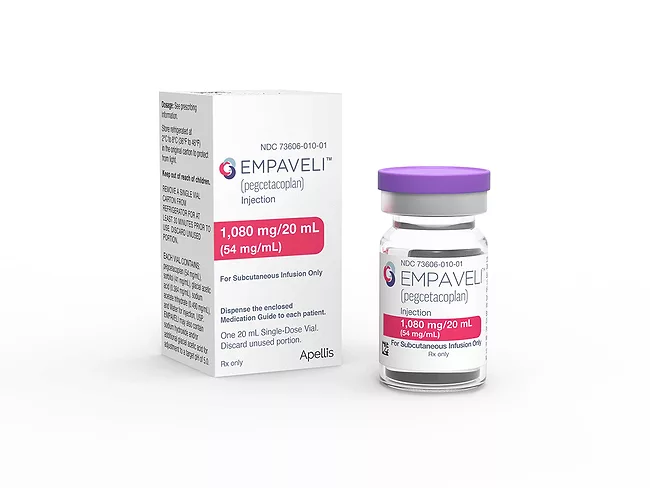
Now that Apellis Pharmaceuticals Inc.’s Empaveli pegcetacoplan has won FDA approval as the first targeted C3 therapy for treating paroxysmal nocturnal hemoglobinuria (PNH), the cost of treating the rare blood disorder is hefty.
FDA approvals for biopharma products have reached their highest point in six years for a first quarter, while regulatory data is up a full 45% over last year. A total of 265 regulatory items were tracked by BioWorld in March 2021, representing the highest monthly volume, not only for this year, but for last year as well.
FDA approvals in February nearly doubled those of the prior month, although biopharma regulatory data, aside from efforts targeting COVID-19, continue to decline.
January is historically the weakest month of the year for FDA approvals and 2021 is following that trend. With only nine approvals tracked by BioWorld during the month, it falls short of the 12 approvals during the same month in 2020, and it is the lowest amount in a single month since January of 2019, which also recorded nine.
And just like that, it’s over. Bristol Myers Squibb Co. on Jan. 1 confirmed what many suspected, that FDA approval for lisocabtagene maraleucel (liso-cel) did not happen by the Dec. 31 deadline, thereby automatically terminating the contingent value rights (CVR) agreement issued as part of its acquisition of Celgene Inc.