The fifth medical device user fee agreement (MDUFA V) is a generous bump in monies for the U.S. FDA, some of which will go toward advancing the use of real-world evidence (RWE) in the agency’s regulatory decisions. The FDA just opened a docket for comment on how those monies might be doled out to entities other than the Medical Device Innovation Consortium (MDIC), an expansion that might nudge the regulatory science along a little more quickly and thus enhance the use of RWE for premarket submissions.
In launching the European Health Data Space May 3, the European Commission (EC) heralded it as “a fundamental game-changer for the digital transformation of health care in the EU.”
Germany passed a law in 2019 that provides for a combined premarket review and coverage mechanism for lower-risk devices that provides a staged path for rate-setting with the help of real-world evidence (RWE). That model has caught the attention of other European Union member states, such as France, but may be useful in the U.S. as well, given the FDA’s policy moves for RWE and digital health over the past few years.
The U.K. Medicines and Healthcare Products Regulatory Agency (MHRA) has unveiled two guidances for the use of real-world evidence (RWE) in regulatory decision-making. The policy seems limited to pharmaceutical clinical trials, with no indication when it will be expanded to include medical technology.
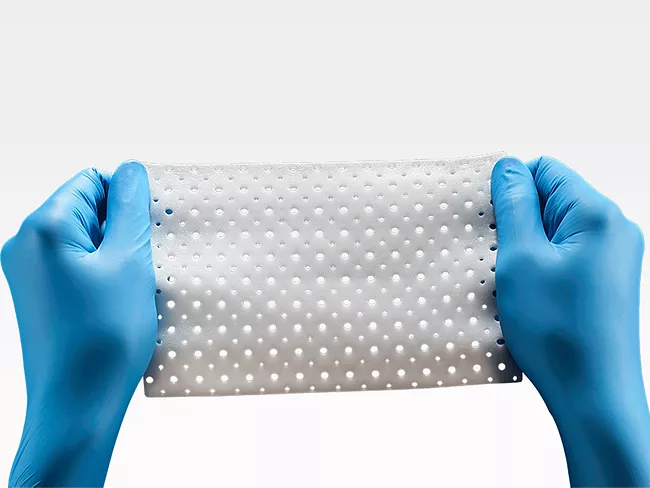
Despite that the device has been available for more than a decade under the 510(k) program, an FDA advisory committee voted narrowly that the benefits of the Surgimend device for breast reconstruction do not outweigh the risks. Another interesting feature of the application is that the pivotal study was based on real-world evidence (RWE), but while the FDA had direct access to the data, Integra Lifesciences Holdings Corp. did not, thus raising questions about whether RWE is necessarily useful for class III device premarket applications.
The potential for using real-world data (RWD) to support the development of cancer drugs for children has yet to be realized as researchers, sponsors and regulators continue to struggle with the collection of meaningful data.
Despite the demonstrated benefits of using patient-reported outcomes (PROs) in clinical trials assessing new cancer drugs in adults, PROs are rarely used in pediatric cancer trials. Hoping to change that, the FDA is convening the pediatric subcommittee of its Oncologic Drugs Advisory Committee (ODAC) May 11 to discuss how to effectively use a pediatric form of the PRO version of the common terminology criteria for adverse events.
PARIS – Roche SAS, the French division of Swiss pharmaceuticals manufacturer Roche Holding AG, has signed a partnership with Unicancer that brings together all the cancer centers in France. They have created Oncodatahub (ODH), the first real-world cancer data platform in France. This makes a set of quality, longitudinal data representative of cancer patient care in France available to all those involved in the health care ecosystem.
LONDON – After a year in the mill, the U.K. National Institute for Health and Care Excellence (NICE) has put proposals for how it intends to evaluate drugs, devices and diagnostics in the future out for consultation.
Tracking the pandemic in all its manifestations – from symptoms and spread, to viral genomics and repurposing drugs – has massively increased appreciation of the importance of real world data, with significant implications for the future of drug discovery and clinical development, the use of patient data and health care as a whole.