The Biden administration’s plan to roll out COVID-19 boosters by Sept. 20 could get pushed back – pending the outcome of an FDA advisory committee meeting and how quickly the FDA acts on the adcom’s recommendation. Peter Marks, director of the FDA's Center for Biologics Research and Evaluation, announced Sept. 1 that the agency will convene its Vaccines and Related Biological Products Advisory Committee for a virtual meeting Sept. 17.
Despite assembling the largest body of data the FDA said it may ever see for a drug intended to treat anemia due to chronic kidney disease, Fibrogen Inc. will have to get even more trial data to push roxadustat over the finish line in the U.S. – if the FDA follows the advice of its Cardiovascular and Renal Drugs Advisory Committee.
Safety will be the focus July 15 when the FDA’s Cardiovascular and Renal Drugs Advisory Committee dives into the data for Fibrogen Inc.’s roxadustat as a treatment for anemia due to chronic kidney disease.
Accelerated approval based on a phase II single-arm trial doesn’t appear to be in the cards for Incyte Corp.’s retifanlimab as a second-line treatment for advanced or metastatic squamous cell anal cancer (SCAC). Following the lead of FDA reviewers June 24, the agency’s Oncologic Drugs Advisory Committee (ODAC) voted 13-4 to recommend that the agency defer its approval decision until more data are available from POD1UM-303, a confirmatory trial in platinum-naïve advanced SCAC.
Although the U.S. CDC considers myocarditis to be a rare event linked to mRNA COVID-19 vaccines, the FDA is adding a warning about the adverse event to its doctor and patient fact sheets for the vaccines.
With the July 25 PDUFA priority review date looming for Incyte Corp.’s retifanlimab as a second-line treatment for advanced or metastatic anal cancer, the FDA has one voting question for its Oncologic Drugs Advisory Committee (ODAC): Should it hold off on its approval decision until more data are in from a phase III study?
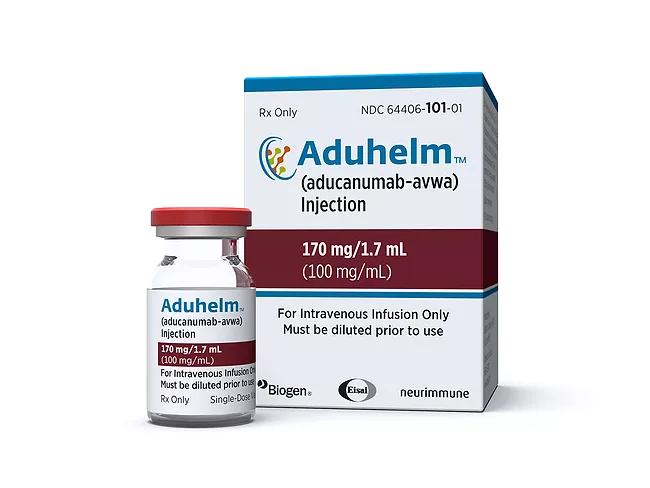
Biogen Inc.’s pricing of its newly approved Alzheimer’s drug, Aduhelm (aducanumab), has made it the latest bull’s eye for lawmakers and advocacy groups targeting U.S. drug prices, especially given the controversy surrounding the drug’s approval, which has resulted in the resignation of three of the 11 members of the FDA’s Peripheral and Central Nervous System Drugs Advisory Committee.
The good of the many versus the good of the individual is the age-old question that faced the FDA’s Vaccines and Related Products Advisory Committee (VRPAC) June 10 as it considered the risk-benefit issues of COVID-19 vaccines in children. Panelist Cody Meissner, director of pediatric infectious disease at Tufts Medical Center, said while he believes a vaccine is needed for children, he wants to know that the safety of the vaccine is greater than the risk of hospitalization for people younger than 18.
The FDA’s Endocrinologic and Metabolic Drugs Advisory Committee (EMDAC) voted 10-7 May 27 that the benefits of Provention Bio Inc.’s teplizumab outweighed its risks, but the vote was not a ringing endorsement of the anti-CD3 monoclonal antibody biologic that could be the first disease-modifying treatment for people at risk of developing type 1 diabetes (T1D).
Provention Bio Inc.’s diabetes candidate, teplizumab, is heading into a May 27 advisory committee meeting with a skinnier label than originally planned, which could signal a smoother path to approval. The positive briefing document the FDA put out Tuesday also suggested an approval path for what could be the first disease-modifying treatment available for type 1 diabetes (T1D).