DUBLIN – Oncopeptides AB has withdrawn its troubled multiple myeloma
drug Pepaxto (melphalan flufenamide) from the U.S. market, less than eight months after receiving an accelerated approval from the FDA. The move comes less than a week before the FDA’s Oncologic Drugs Advisory Committee was due to consider the drug’s safety profile because of data anomalies that surfaced over the summer.
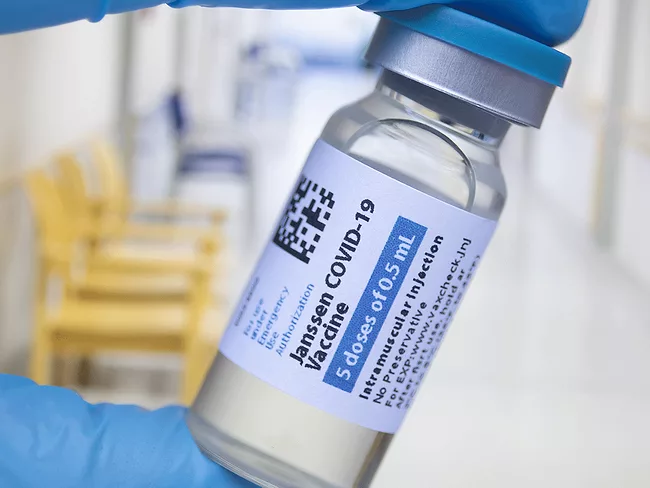
The FDA’s Vaccines and Related Biological Products Advisory Committee unanimously agreed to recommend a booster dose of Janssen Biotech Inc.’s COVID-19 vaccine for those age 18 years and older at least two months following the first dose. In the end, the vote swung on numbers from Janssen showing a booster significantly improved efficacy among study participants. Janssen’s data leaped to 94% protection after a booster dose, up from 70% efficacy following the first dose. That higher efficacy rate nearly matches that of the mRNA vaccines from Moderna Inc. and Pfizer Inc.-Biontech SE.
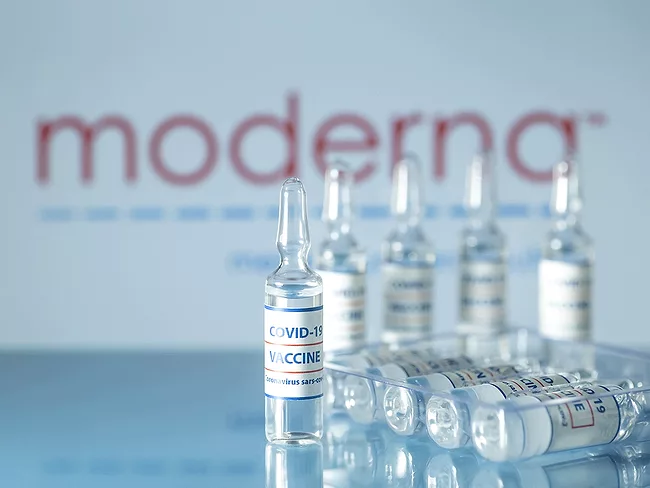
Given the FDA’s Vaccines and Related Biological Products Advisory Committee’s unanimous vote last month to recommend use of a booster dose of the Pfizer Inc.-Biontech SE COVID-19 vaccine in certain high-risk groups, it came as no surprise when the committee again voted unanimously Oct. 14 for a mirror use of Moderna Inc.’s proposed booster.
Should Johnson & Johnson’s (J&J) COVID-19 vaccine be a two-dose series? While not directly asked, that question almost lurks between the lines of the FDA’s briefing document for the Oct. 15 meeting of its Vaccines and Related Biological Products Advisory Committee. The document referred to J&J’s proposed second dose as a “booster,” but the FDA isn’t asking the committee the questions it posed for the Moderna Inc. and Pfizer Inc.-Biontech SE boosters. Instead, it is inviting VRBPAC to advise on whether the second J&J dose should be administered two months or six months following the first shot.
Although the need for COVID-19 boosters remains a tense debate among policymakers and scientific experts worldwide, the U.S. FDA is basing its Oct. 14-15 Vaccines and Related Biologics Products Advisory Committee meeting on the premise that vaccine boosters are needed.
If the FDA follows the advice of its Antimicrobial Drugs Advisory Committee, Takeda Pharmaceutical Co. Ltd.’s antiviral drug, maribavir, will become the first drug approved in the U.S. to treat resistant or refractory cytomegalovirus infection and disease in both solid organ and hematopoietic stem cell transplant recipients.
After nearly 20 years in development, Takeda Pharmaceutical Co. Ltd.’s antiviral drug, maribavir, will get its day before the FDA’s Antimicrobial Drugs Advisory Committee Oct. 7. During the course of its development by various companies, the drug’s indication has morphed from a prophylaxis to a treatment of resistant or refractory cytomegalovirus infection in both solid organ and hematopoietic stem cell transplant recipients.
The FDA’s Vaccines and Related Biological Products Advisory Committee rejected an sBLA for a third, booster dose of the COVID-19 vaccine Comirnaty from Pfizer Inc.-Biontech SE for ages 16 and over, then unanimously approved a recommendation for those ages 65 and older along with individuals at high risk of severe COVID-19 to get the booster.
As members of the White House COVID-19 Response Team talk about COVID-19 boosters as if they are a fait accompli for Americans even before the FDA completes its evaluation of the data, the controversy continues to roil around the need for another vaccine dose.
The Biden administration’s haste to roll out an eight-month COVID-19 vaccine booster program next week is bumping up against the reality of the data and the regulatory process.