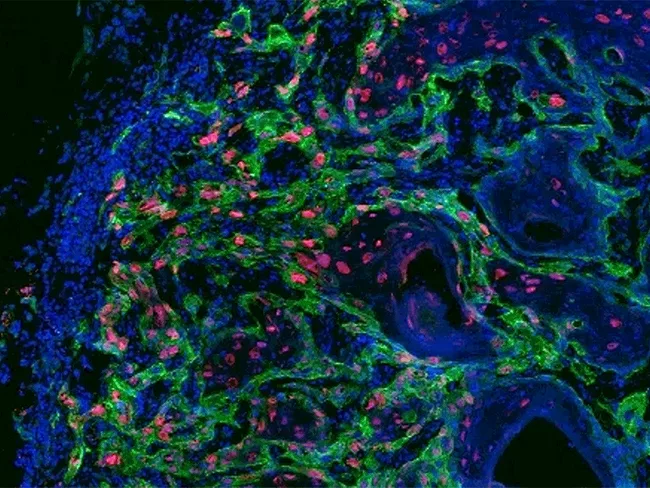
The calcineurin inhibitor tacrolimus is an immunosuppressive drug frequently used to prevent transplant rejection in solid organ transplant patients. Tacrolimus acts by suppressing T-cell activity within and around the transplanted organ. However, this drug also inhibits T-cell function in the skin, contributing to a high incidence of skin cancer among transplant recipients.
Enliven Therapeutics Inc. has synthesized HER2 (erbB2) inhibitors, including Exon 20 insertion (Ex20Ins) mutant inhibitors, reported to be useful for the treatment of cancer.
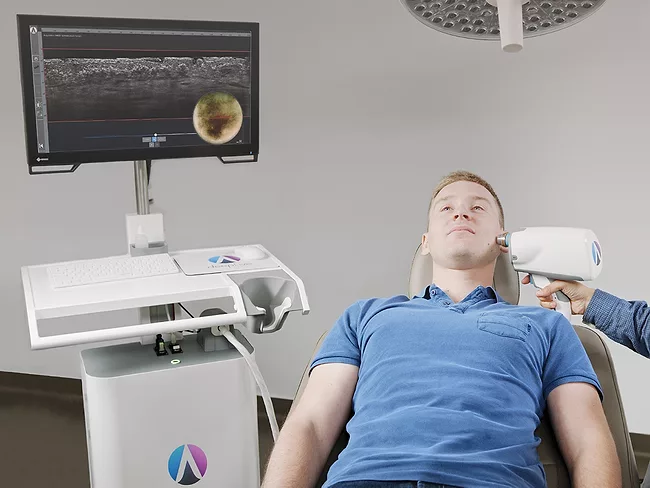
Dermasensor Inc.’s elastic scattering spectroscopy device appears to have solved one of the more challenging issues in dermatology—early detection of skin cancers in individuals with darker skin tones. The device demonstrated very high sensitivity across all skin cancer types compared to histopathological exams with minimal variation between Fitzpatrick skin type groups in an analysis of the DERM-SUCCESS trial.
Medshine Discovery Inc. has synthesized dimethyl-substituted thiazololactam compounds acting as mitogen-activated protein kinase 3 (MAPK3; ERK1) and/or (MAPK1; ERK2) inhibitors reported to be useful for the treatment of cancer.
Abbvie Inc. has described new proteolysis targeting chimera (PROTA) compounds comprising an E3 ubiquitin ligase-binding moiety covalently linked to tyrosine protein phosphatase nonreceptor type 2 (PTPN2)-targeting moiety reported to be useful for the treatment of cancer, diabetes type 2 and nonalcoholic steatohepatitis.
Microenvironmental factors originating from RAS-mutated cancer stem cells stimulated an angiogenic feedback loop with the surrounding environment causing the expression of leptin and TGF-β receptors on the cancer stem cells. Most significantly, leptin and TGF-β signaling were required for malignant transformation.
The findings, which were published in the Nov. 30, 2022 issue of Nature, raise “the intriguing possibility that many cancer mutations may function to lock into place, rather than set the course of, a path that is predetermined by aberrant crosstalk between a cancer stem cell and its microenvironment,” said senior author Elaine Fuchs, Rebecca C. Lancefield Professor and Howard Hughes Medical Institute investigator at Rockefeller University.
Genhouse Medicine (Suzhou) Co. Ltd. has divulged histone deacetylase 6 (HDAC6) inhibitors reported to be useful for the treatment of cancer, idiopathic thrombocytopenic purpura, rheumatoid arthritis, diabetes, multiple sclerosis, lung, alcoholic liver and Alzheimer's diseases, among others.
Nuvalent Inc. has disclosed amino-substituted heterocycles acting as HER2 (erbB2) (mutant) inhibitors reported to be useful for the treatment of cancer.
PARIS – Damae Medical SAS has just raised nearly $6 million to develop new technology to detect skin cancer noninvasively without need for a biopsy. This series A round was led by BNP Paribas Développement SA and supported by original investors Kurma Partners SA and professional private equity fund, Paris Saclay Seed Fund.