The Ohio State University has synthesized dual specificity protein kinase TTK (MPS1; MPS1L1) inhibitors reported to be useful for the treatment of cancer.
C4 Therapeutics Inc. has disclosed proteolysis targeting chimera (PROTAC) compounds comprising a cereblon (CRBN) E3 ubiquitin ligase-binding moiety covalently linked to a Raf kinase B (V600E mutant)-targeting moiety through a linker. They are reported to be useful for the treatment of cancer.
The U.K. National Institute for Health and Care Excellence (NICE) opened a late-stage assessment for drug-eluting stents (DES) with an eye toward costs, advising clinicians that they should implant the least expensive DES unit that is clinically appropriate for that patient while the assessment is underway.
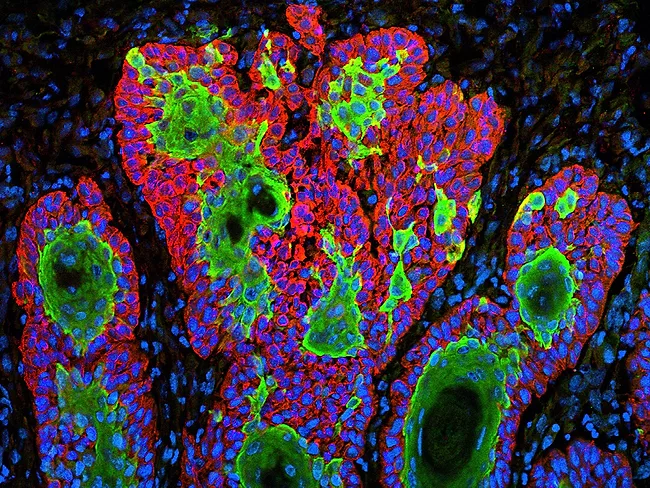
The detection of metastases in Merkel cell carcinoma (MCC) requires additional testing, such as pancytokeratin (panCK) or CK20, with no guarantee of success. Recent findings have identified transcription factor SOX11 and insulinoma-associated protein 1 (INSM1) as sensitive nuclear neuroendocrine markers, but their usefulness in MCC has not been proven.
Hangzhou Zhongmei Huadong Pharmaceutical Co. Ltd. has identified tyrosine-protein phosphatase non-receptor type 2 (PTPN2; TCPTP) inhibitors reported to be useful for the treatment of cancer and metabolic diseases.
Skin Analytics Ltd. received CE mark for its AI-based tool Deep Ensemble for the Recognition of Malignancy (DERM), which can assess images of lesions and detect skin cancer autonomously. The technology has an accuracy rate of 99.8% compared to 98.9% for dermatologists.
Acerand Therapeutics (Hong Kong) Ltd. has synthesized compounds acting as EGFR (HER1; erbB1) inhibitors reported to be useful for the treatment of cancer.
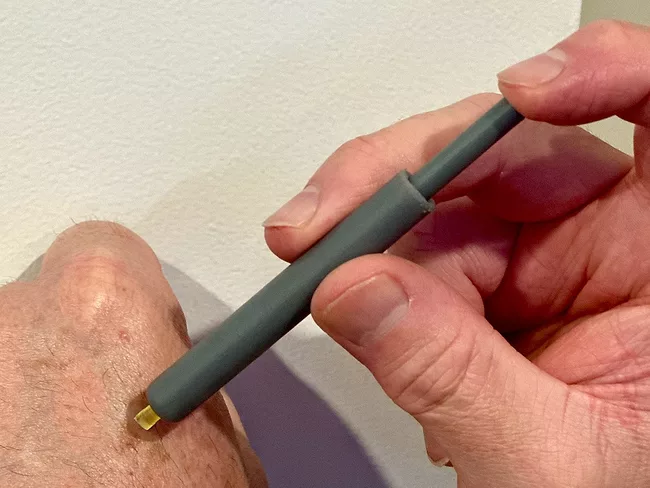
A new method to diagnose skin cancer was validated for the first time in clinical trials that show Dermr Health Solutions Pty Ltd.’s non-invasive microneedle patch collects near-equivalent genetic information compared to a skin biopsy without pain or cutting.