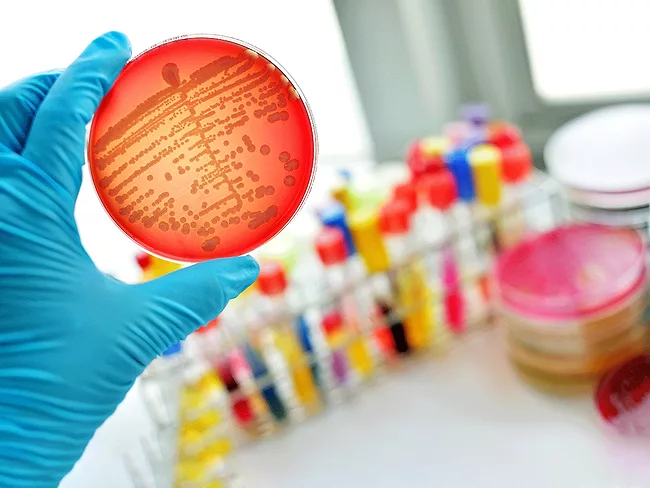
Scientists have discovered a new antibiotic called evybactin that is able to selectively target Mycobacterium tuberculosis, the bacteria that causes tuberculosis (TB) lung infections. As described in NatureChemicalBiology on Aug. 22, 2022. the work is still at an early stage and requires further validation. But, if successful in clinical trials, evybactin could form part of a new group of specific antibiotics designed to target TB.
The largest ever global study of tuberculosis has identified all the mutations conferring resistance to approved antimicrobials, setting the scene for more rational use of drugs, increasing mechanistic understanding of how Mycobacteriumtuberculosis develops resistance to antibiotics and pointing to new drug targets.
Researchers from the State University of New York at Albany have identified small molecules that could inhibit intein self-splicing from the protein PrP8 in the fungal pathogens Cryptococcus neoformans and Cryptococcus gattii, emerging pathogens that can cause fungal meningitis in immunocompromised patients.