In its first quarter earnings call, Boston Scientific Corp. reported 72% global sales growth in its electrophysiology division, for $300 million, bolstered by surging sales of its recently debuted Farapulse pulse field ablation system, which the company received U.S. FDA approval for in Janua.
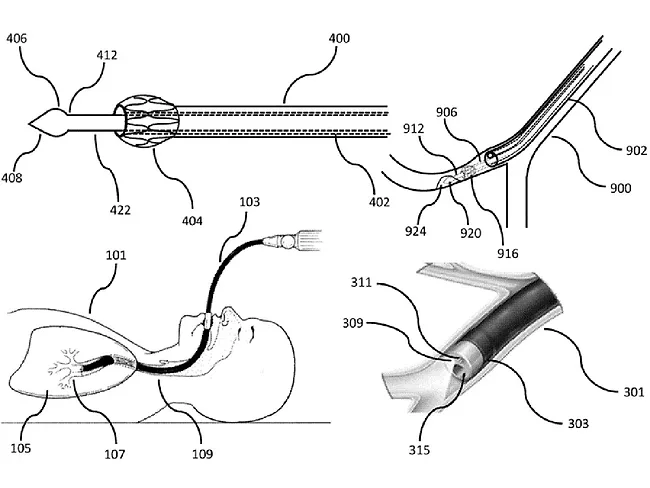
In what represents just the company’s fourth PCT filing, San Jose, Calif.-based Squirrel Corp. seeks protection for systems for electroporation or pulsed field ablation (PFA) treatment of soft tissue tumors.
The slow pace of financing in med-tech appears to have stimulated cardiac arrhythmia technology developer Adagio Medical Inc. to turn to a special purpose acquisition company (SPAC) in a type of deal that has all but vanished in the last year. The company signed an agreement with Arya Sciences Acquisition Corp. IV to combine in a reverse merger deal that will result in Adagio’s listing on Nasdaq under “ADGM.”
The U.S. FDA added a second pulsed field ablation (PFA) system to the approved list with its greenlight for Boston Scientific Corp.’s Farapulse for treatment of atrial fibrillation (AF). Farapulse joins Medtronic plc’s Pulseselect, which garnered FDA approval in December. Two other PFA devices scored regulatory wins since the new year: Biosense Webster inc.’s Varipulse secured approval from the Japanese Ministry of Health Labor and Welfare and Sichaun Jinjiang Electronic Medical Device Technology Co. Ltd. got the nod from China’s National Medical Products Administration.
Sichuan Jinjiang Electronic Medical Device Technology Co. Ltd. received approval from China’s National Medical Products Administration (NMPA) approval for the commercial use of its PFA technology in the treatment of atrial fibrillation, making it the first pulsed field ablation device to gain approval in the country.
The pivotal ADVENT trial of the Farapulse pulsed field ablation (PFA) system developed by Boston Scientific Corp. returned positive results at one year, according to a presentation at the ESC Congress 2023 that was simultaneously published in the New England Journal of Medicine. The study compared Farapulse, a nonthermal treatment that ablates heart tissue, to radiofrequency or cryoablation, the current standards of care for paroxysmal atrial fibrillation.
Pulsed field ablation (PFA) seems to have seized the moment in the field of cardiac electrophysiology, given its seemingly superior performance over other ablation modalities as a treatment for atrial fibrillation (AF). New data from three studies were presented at this year’s annual meeting of the Heart Rhythm Society that further confirm the value of PFA as a treatment for both persistent and paroxysmal AF with data sets that seem to confirm that PFA is poised to sweep aside the current standards for ablation, potentially overturning a treatment paradigm that took decades to establish.
Pulsed field ablation (PFA) may not be the final word where energy sources for atrial fibrillation (AF) ablation are concerned, but several companies have adopted development programs that propose the use of PFA as an alternative to conventional energy sources. Dublin-based Medtronic plc appears to have at least a narrow lead over the competition in the PFA space thanks to the results of the PULSED AF pivotal study presented at the 2023 American College of Cardiology Scientific Sessions.
Sichuan Jinjiang Electronic Science and Technology Co. Ltd. (JJET) recently completed series A+ and series B rounds, raising a total of ¥700 million (US$101 million) in series A and series B financing.
Boston Scientific Corp. has exercised an option as part of a 2020 agreement to acquire Farapulse Inc. in full, folding the startup’s pulsed electric field ablation technology for the treatment of atrial fibrillation and other cardiac arrhythmias into its own electrophysiology portfolio. With a 27% stake in Farapulse already, it will pay about $295 million for the remainder.