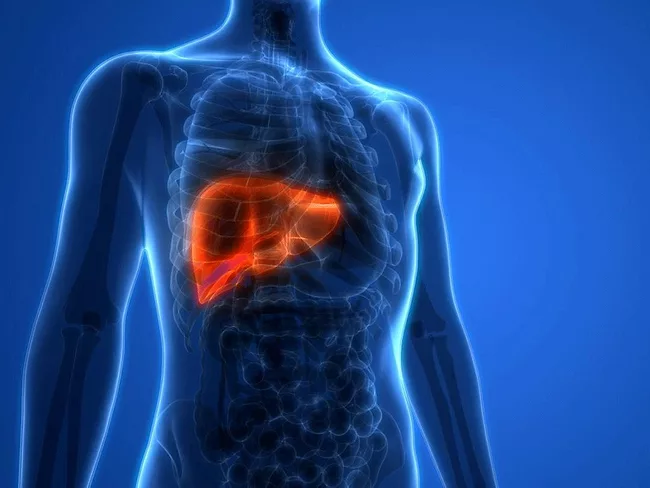
Researchers have gained new insights into what makes for transplantable livers – and what doesn’t. In a clinical trial of 12 livers, a team from Massachusetts General Hospital showed that both livers with high fat content and those without could be viable for transplantation.
If the FDA follows the advice of its Cellular, Tissue and Gene Therapies Advisory Committee, the U.S. could soon see its first approved islet transplant therapy, but few expect it to be broadly used. The adcom voted 14-9 April 15, with one abstention, that Celltrans Inc.’s donislecel, or cadaveric allogenic pancreatic islet cells, has an overall favorable risk-benefit profile for some patients with type 1 diabetes.
If the FDA follows the advice of its Cellular, Tissue and Gene Therapies Advisory Committee, the U.S. could soon see its first approved islet transplant therapy, but few expect it to be broadly used. The adcom voted 14-9 April 15, with one abstention, that Celltrans Inc.’s donislecel, or cadaveric allogenic pancreatic islet cells, has an overall favorable risk-benefit profile for some patients with type 1 diabetes.
By preventing ice formation while cooling human livers below freezing, researchers have managed to extend the viable lifespan of donated livers threefold.