While members of the U.S. FDA’s Imaging Drugs Advisory Committee weren’t blown away March 5 by the trial performance of Lumicell Inc.’s Lumisight (pegulicianine) in helping breast cancer patients avoid second surgeries due to negative margins following a lumpectomy, they voted 16-2, with one abstention, that the benefits of the imaging drug outweigh its risks, even though those benefits are incremental.
The March 5 meeting of the U.S. FDA’s Medical Imaging Drugs Advisory Committee could be the gateway to the first approved intraoperative technology for use in breast cancer that directly examines the lumpectomy cavity for residual cancer.
Low expectations on Wall Street for the Pulmonary-Allergy Drugs Advisory Committee (PADAC) sit-down on Merck & Co. Inc.’s P2X3 receptor antagonist gefapixant for chronic cough (CC) translated to negative balloting by panelists. PADAC members were polled on a single question: Does the evidence demonstrate that [Merck’s] gefapixant provides a clinically meaningful benefit to adults with refractory or unexplained CC? The results came out 12 no, 1 yes.
From the start of the Nov. 16 Oncologic Drugs Advisory Committee meeting, the U.S. FDA made it clear that withdrawing Acrotech Biopharma Inc.’s peripheral T-cell lymphoma drugs, Folotyn (pralatrexate) and Beleodaq (belinostat), from the market until a long-overdue confirmatory trial is completed is not an option given the current treatment landscape.
The U.S. FDA’s Pulmonary-Allergy Drugs Advisory Committee has a lot to discuss Nov. 17, but only one voting question: Does the evidence demonstrate that Merck & Co. Inc.’s gefapixant provides a clinically meaningful benefit to adults with refractory or unexplained chronic cough?
If everything goes according to the current plan, the U.S. FDA would get the final report of a confirmatory trial for Acrotech Biopharma Inc.’s Folotyn (pralatrexate) and Beleodaq (belinostat) in 2030 – more than two decades after Folotyn received accelerated approval to treat relapsed or refractory peripheral T-cell lymphoma and 16 years after Beleodaq was granted accelerated approval for the same indication.
The U.S. FDA’s Sept. 6 hearing of the Patient Engagement Advisory Committee (PEAC) tackled the question of health equity, a discussion that touched on several issues such as accessibility. One of the committee’s recommendations was that the FDA assist the Centers for Medicare & Medicaid Services (CMS) with the latter’s task of developing codes for payment, not the kind of task to which the FDA is typically assigned.
Dublin-based Medtronic plc. has invested considerable resources into its renal denervation program, but the company has not completed its regulatory journey for the U.S. market just yet. Medtronic failed to persuade an FDA advisory committee of the virtues of its Symplicity Spyral device due to inconsistent results from the two major studies presented at the hearing but vowed to keep working on the application despite the sustained headwinds.
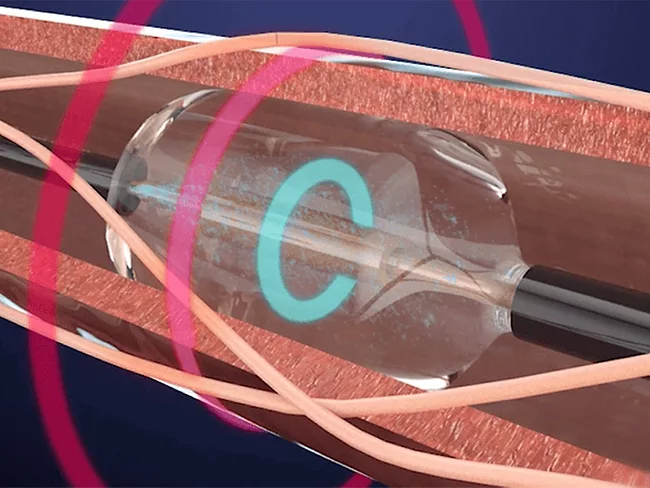
The age of renal denervation as a treatment for hypertension may have finally arrived in the U.S. with the affirmative U.S. FDA advisory vote for the Paradise system for renal denervation by Recor Medical Inc., of Palo Alto, Calif. The 12-member advisory committee vote unanimously that the data suggested the ultrasound-based device was safe and voted 8-3 in support of the Paradise’s efficacy, an outcome that the agency may find difficult to refute, given the large public health impact of hypertension in the U.S.
Patients with ophthalmic disease use eyedrop containers and eyecups millions of times a year, but these two devices have been treated as one device type and informally regulated as class II devices up to now. A U.S. FDA advisory committee recommended a class I designation for these products, which will relieve some of the burden on manufacturers, but the panel also endorsed that these two types of products be split into two separate product codes, which would greatly facilitate adverse event reporting.