Brainsgate Ltd. came up short in a recent FDA advisory hearing for the company’s Ischemic Stroke System (ISS) to treat stroke despite that the panel was unanimously satisfied with the pivotal trial’s safety numbers. One of the issues with the pivotal study was the small enrollment of study subjects in the U.S., which demonstrates once again the hazards of relying on outside-U.S. study data in applications with the FDA.
With Omicron all the COVID-19 buzz right now, the FDA’s concern that the antiviral drug molnupiravir might enhance SARS-CoV-2 evolution might take on added weight when the Antimicrobial Drugs Advisory Committee meets Nov. 30 to advise on Merck & Co. Inc.-Ridgeback Biotherapeutics Inc.’s emergency use authorization (EUA) request for what could be the first take-at-home oral drug authorized to treat COVID-19 infections.
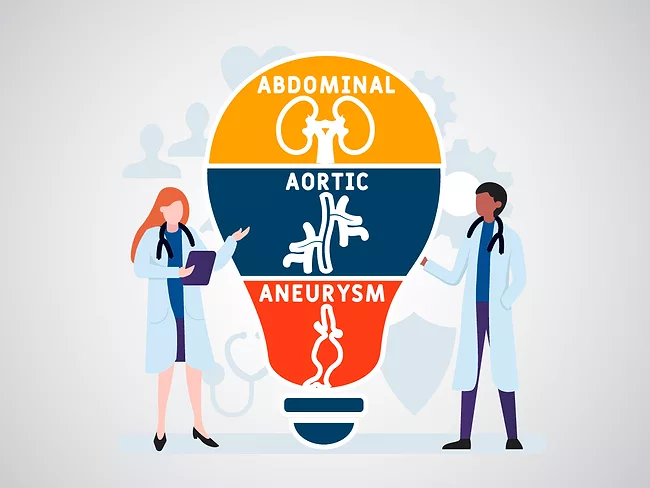
The FDA convened a Nov. 2 advisory panel to review the data for the AFX2 by Endologix LLC, of Irvine, Calif., with some indication that the agency believes the data suggest a poor benefit-risk ratio when used in treatment of abdominal aortic aneurysms (AAAs). The panel concluded that the benefits of the device do outweigh the risks for some patients, although the applicable patient population is likely to be smaller than is currently seen in clinical practice.
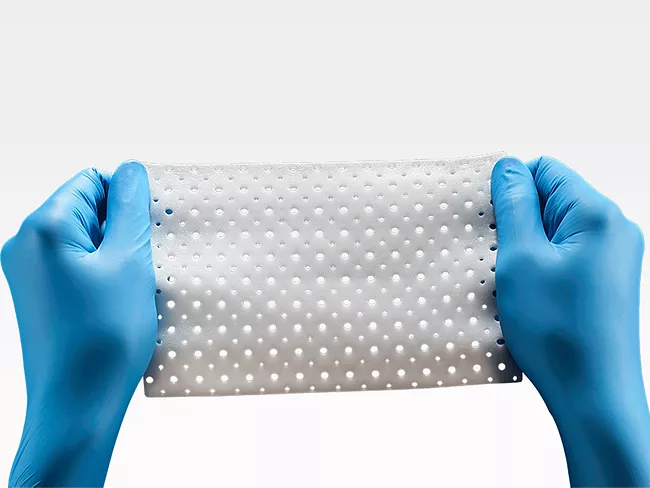
Despite that the device has been available for more than a decade under the 510(k) program, an FDA advisory committee voted narrowly that the benefits of the Surgimend device for breast reconstruction do not outweigh the risks. Another interesting feature of the application is that the pivotal study was based on real-world evidence (RWE), but while the FDA had direct access to the data, Integra Lifesciences Holdings Corp. did not, thus raising questions about whether RWE is necessarily useful for class III device premarket applications.
Keystone Heart Ltd. had the unusual experience of being the sponsor of a rare class II device appearance before an FDA advisory committee, which considered whether the company’s Triguard 3 device was substantially equivalent (SE) to a predicate device. However, the company’s bid for an SE result was unsuccessful, likely leaving Keystone with a considerable additional regulatory lift before the company can get to market.
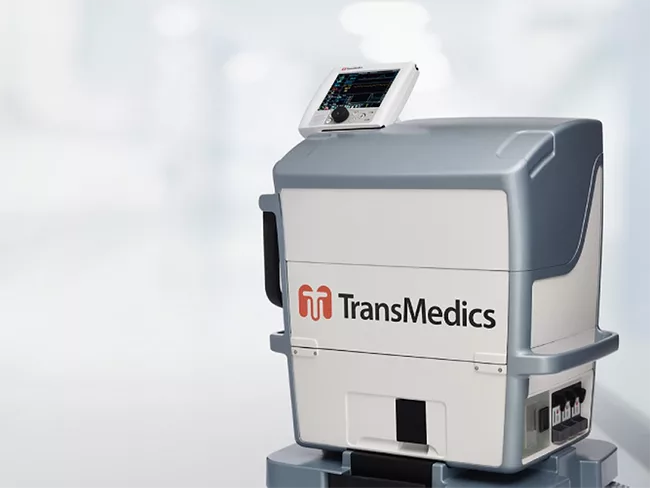
The FDA advisory hearing for the Transmedics Organ Care System (OCS) resulted in a unanimous vote in favor of the OCS’s safety and efficacy numbers, although there will be a considerable post-approval study requirement. The company was able to overcome a number of problems with the pivotal study that might otherwise have tanked the application, such as the lack of blinding of transplant surgeons, which the FDA said could have biased the determination of whether a liver was acceptable for transplant.
The FDA’s two-day advisory hearing yielded recommendations for risk designation for a number of product types, such as plunger-like joint manipulators, which received a unanimous endorsement for a class III designation. The advisory panel was split on the risks associated with electro-acupuncture stimulators, which the FDA must now decide whether to classify as a class III device, a move that would force a number of existing devices into clinical trials for an expensive and time-consuming PMA application.
If the FDA follows the advice of its Cellular, Tissue and Gene Therapies Advisory Committee, the U.S. could soon see its first approved islet transplant therapy, but few expect it to be broadly used. The adcom voted 14-9 April 15, with one abstention, that Celltrans Inc.’s donislecel, or cadaveric allogenic pancreatic islet cells, has an overall favorable risk-benefit profile for some patients with type 1 diabetes.
If the FDA follows the advice of its Cellular, Tissue and Gene Therapies Advisory Committee, the U.S. could soon see its first approved islet transplant therapy, but few expect it to be broadly used. The adcom voted 14-9 April 15, with one abstention, that Celltrans Inc.’s donislecel, or cadaveric allogenic pancreatic islet cells, has an overall favorable risk-benefit profile for some patients with type 1 diabetes.
The FDA’s Cellular, Tissue and Gene Therapies Advisory Committee will be venturing into new territory April 15 in which it not only has to consider whether the benefit of Celltrans Inc.’s donislecel is clinically meaningful, but it also will have to define the indication.