Although several members of the U.S. FDA’s Psychopharmacologic Drugs Advisory Committee said they thought Lykos Therapeutics Inc.’s midomafetamine (MDMA), used in combination with psychotherapy, is a promising treatment for post-traumatic stress syndrome, they were not ready to endorse its approval.
Unblinding, zealous therapists, severity of harms, abuse potential and actual benefit could all be part of the conversation June 4 when the U.S. FDA’s Psychopharmacologic Drugs Advisory Committee meets in person for the first time since the COVID-19 lockdowns to consider the use of a psychedelic drug, guided by psychotherapy, to treat post-traumatic stress disorder, or PTSD.
Novo Nordisk A/S’s once-weekly human insulin analogue for adults with type 1 diabetes mellitus could be a useful tool for patients and physicians, the U.S. FDA’s Endocrinologic and Metabolic Drugs Advisory Committee said May 24, but it also agreed that the risks outweighed the benefits for improving glycemic control.
Once-daily insulin treatment is getting a challenge from Novo Nordisk A/S’s once-weekly option. The U.S. FDA’s Endocrinologic and Metabolic Drugs Advisory Committee meets Friday, May 23, to review the BLA for once-weekly Awiqli (insulin icodec), a human insulin analogue from Novo for adults with type 1 diabetes mellitus.
Right on cue, the U.S. FDA’s Center for Drug Evaluation and Research (CDER) is scheduling its first in-person advisory committee meetings since the COVID-19 pandemic. Speaking during a May 6 webinar hosted by the Alliance for a Stronger FDA, CDER Director Patrizia Cavazzoni said the center was preparing to go back to in-person adcoms, adding that the first step likely would be a hybrid model.
In a May 8 Senate hearing, U.S. FDA commissioner Bob Califf described the agency’s advisory committee process as a useful source of information, but Califf reassured members of the Senate that the FDA is not intent in doing away with advisory hearing votes altogether.
Right on cue, the U.S. FDA’s Center for Drug Evaluation and Research (CDER) is scheduling its first in-person advisory committee meetings since the COVID-19 pandemic. Speaking during a May 6 webinar hosted by the Alliance for a Stronger FDA, CDER Director Patrizia Cavazzoni said the center was preparing to go back to in-person adcoms, adding that the first step likely would be a hybrid model.
In a May 8 Senate hearing, U.S. FDA commissioner Bob Califf described the agency’s advisory committee process as a useful source of information, but Califf reassured members of the Senate that the FDA is not intent in doing away with advisory hearing votes altogether.
It’s been a year since U.S. FDA Commissioner Robert Califf first started talking about reforming the agency’s advisory committee process. Now the FDA is moving beyond talking about it to listening. The agency has scheduled an all-day listening session June 13 to get feedback on optimizing the use of adcoms and the processes involved.
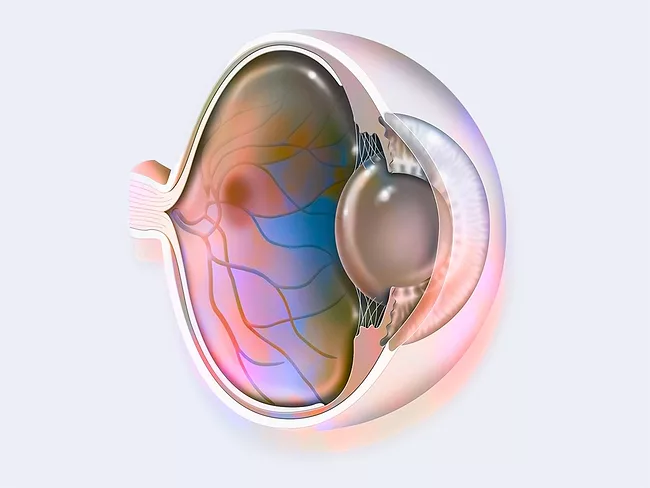
The notion of using vacuum pressure on the anterior portion of the human eye as a treatment for open-angle glaucoma might be a clinical novelty, but Balance Ophthalmics Inc. is poised to change that. The company recently won a favorable outcome at a U.S. FDA advisory panel for its Fsyx negative pressure pump for ocular use, although the company is likely to have to drum up a large body of data in post-approval studies, assuming the FDA gives the Fsyx the nod.