Merck & Co. Inc. and Ridgeback Biotherapeutics Inc. are planning a U.S. emergency filing for potentially the first oral antiviral for COVID-19, after a phase III trial showed molnupiravir cut risk of hospitalization or death by around 50%.
The race to develop better antivirals for COVID-19 is heating up after Pfizer Inc. and Merck & Co. Inc. pushed ahead with clinical development of late-stage candidates, while Rigel Pharmaceuticals Inc. announced encouraging midstage data.
A team of researchers has created peptide-like molecules – "peptoids" – with antiviral properties that could circumvent the naturally occurring antimicrobial peptides' shortcomings.
PARIS – At some point, scientists reported, it may be possible to quarantine viruses rather than humans. For the last two years, European research consortium Virofight has been working on a form of nanotechnology intended to neutralize viruses such as SARS-CoV-2, HIV, influenza and hepatitis viruses.
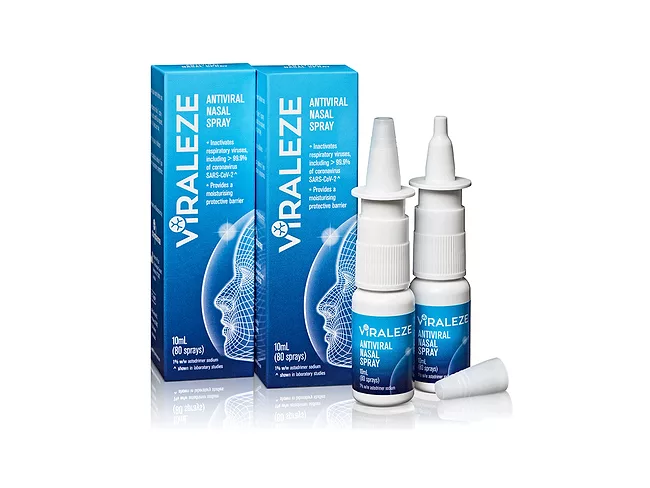
PERTH, Australia – Starpharma Holdings Ltd. is pausing sales of its antiviral nasal spray, Viraleze (SPL-7013), in the U.K. after its retail partner, Lloydspharmacy, received a letter from the U.K.’s Medicines and Healthcare products Regulatory Agency (MHRA) related to promotional claims made about the antiviral with respect to SARS-CoV-2 and COVID-19.
The U.S. government on June 17 announced plans for a multi-faceted $3.2 billion investment in the development and manufacture of new antivirals for preventing serious COVID-19 illness and death.
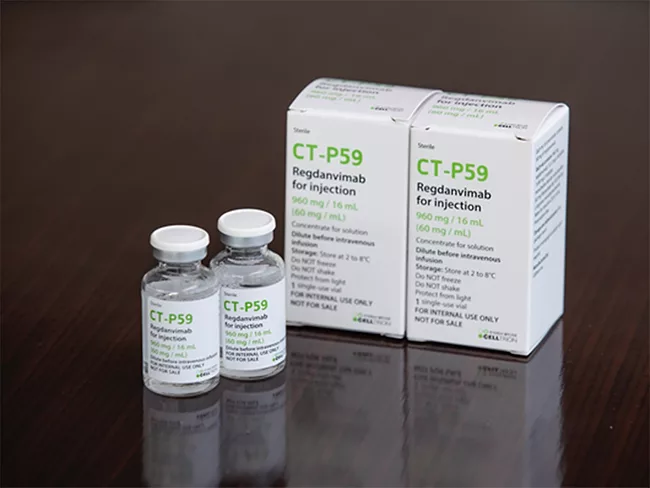
New phase III data on Celltrion Inc.'s COVID-19 therapy, regdanvimab, showed it reduced the risk of hospitalization or death related to the disease for high-risk patients to 3.1% vs. 11.1% for placebo by day 28 of the study. The treatment also proved beneficial to participants across all risk categories, reducing their risk of hospitalization or death to 2.4% vs. 8% for placebo at the same time point.
Phase III stakes are always high. But for Merck & Co. Inc., results of a late-stage test of its SARS-CoV-2 antiviral, molnupiravir, stand to determine not just the fate of a desired emergency use authorization (EUA), but also a $1.2 billion purchase agreement with the U.S. government pending the EUA. The RNA polymerase inhibitor, invented at Emory University and developed with Ridgeback Biotherapeutics LP, is being evaluated in a phase III study for the treatment of non-hospitalized patients with mild to moderate COVID-19. An earlier study found it unlikely to deliver clinical benefit for hospitalized patients.
DUBLIN – Last May, a quartet of Dutch biotech industry veterans gathered for a socially distanced outdoor meeting in a private garden in Leiden to discuss what could be done to prevent the present COVID-19 fiasco from ever occurring on such a scale again. A new startup, Leyden Laboratories BV, emerged from that conversation, and it has just raised €40 million (US$47.3 million) in a series A round to develop broad-spectrum, self-administered, intranasal antiviral drugs to prevent infection.
LONDON – Clinical care guidelines recommending the use of the HIV/AIDS combination lopinavir-ritonavir for the treatment of patients hospitalized with COVID-19 must now be updated, say the authors of a paper reporting the full results of a randomized U.K. study.