The advance of antifungals – a class long needful of new therapies – continued with Scynexis Inc.’s potential $593 million exclusive license agreement with GSK plc for Brexafemme (ibrexafungerp), first cleared by the U.S. FDA in June 2021 and indicated for vulvovaginal candidiasis (VVC) as well as for reduction of recurrent VVC.
Although the U.S. FDA’s Vaccines and Related Biological Products Advisory Committee (VRBPAC) voted unanimously, 12-0, March 1 that the data GSK plc presented was adequate to support the safety of its respiratory syncytial virus vaccine, several panelists cautioned the FDA against viewing the vote as a recommendation to license the vaccine before more data are available.
Safety likely will be top of mind when the U.S. FDA’s Vaccines and Related Biologic Products Advisory Committee meets Feb. 28 and March 1 to advise the agency on two respiratory syncytial virus (RSV) vaccines proposed for use in adults who are at least 60 years old.
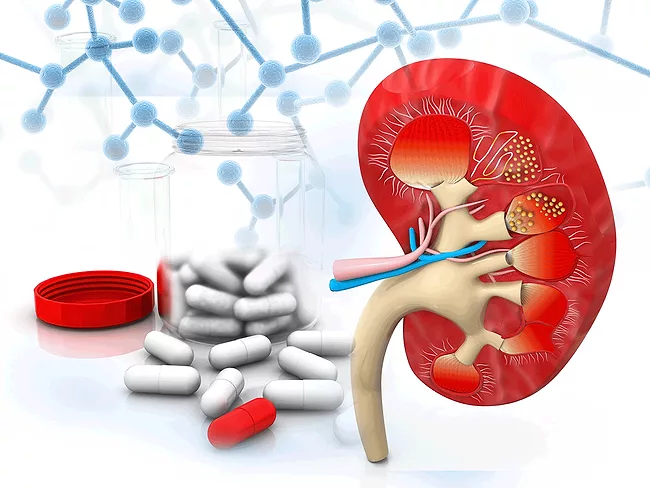
With the U.S. FDA go-ahead Feb. 2 for GSK plc’s oral daprodustat for anemia in patients with chronic kidney disease (CKD), the picture brightened for would-be competitors in the hypoxia-inducible factor prolyl hydroxylase (HIF-PHI) inhibitor space, including high-profile Akebia Therapeutics Inc., which has appealed last spring’s the complete response letter from gatekeepers with regard to vadadustat.
Adhering to the recommendation of a mixed advisory committee vote, the U.S. FDA cleared use of GSK plc’s daprodustat as the first oral hypoxia-inducible factor prolyl hydroxylase (HIF-PHI) inhibitor for treating anemia in patients with chronic kidney disease (CKD) who are on dialysis. For CKD patients not on dialysis, the agency determined the drug’s safety has not been established.
Now there are three. Moderna Inc. has posted strong phase III study data on its mRNA respiratory syncytial virus (RSV) vaccine, keeping pace with Pfizer Inc. and GSK plc’s candidates, which have May PDUFA dates. Moderna’s top-line results of the ConquerRSV pivotal efficacy study of mRNA-1345 show the vaccine hit its primary efficacy endpoints of 83.7% against RSV-associated lower respiratory tract disease in older adults.
Citing federal preemption, the U.S. Court of Appeals for the First Circuit tossed multidistrict litigation (MDL) involving GSK plc’s labeling of Zofran, an antiemetic approved for postoperative use and in conjunction with chemo or radiation, but that is commonly used off-label in pregnancy.
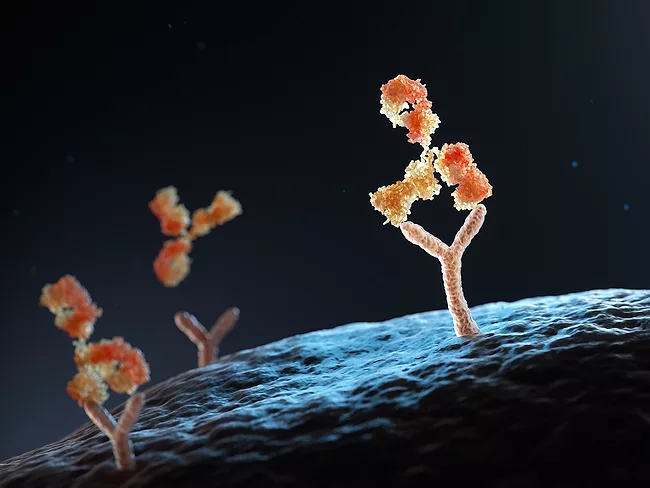
Wuxi Biologics (Cayman) Inc. is providing an exclusive license to GSK plc for a preclinical bispecific T-cell engaging antibody along with the option of three additional bi- and multispecific TCE antibodies developed by Wuxi. In exchange, Wuxi will receive an up-front payment of $40 million and up to $1.46 billion in additional payments for research, development, regulatory and commercial milestones across the four TCE antibodies. Wuxi Biologics, of Shanghai, is also eligible to receive tiered royalties on net sales.
Wuxi Biologics (Cayman) Inc. is providing an exclusive license to GSK plc for a preclinical bispecific T-cell engaging antibody along with the option of three additional bi- and multispecific TCE antibodies developed by Wuxi. In exchange, Wuxi will receive an up-front payment of $40 million and up to $1.46 billion in additional payments for research, development, regulatory and commercial milestones across the four TCE antibodies. Wuxi Biologics, of Shanghai, is also eligible to receive tiered royalties on net sales.
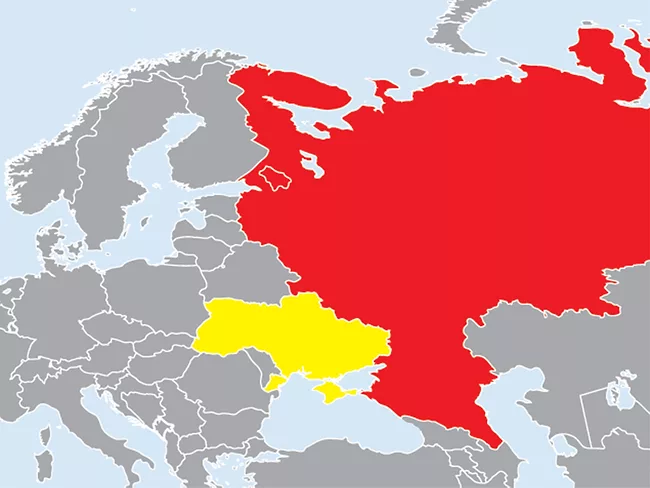
It was a year of turmoil in Europe as Russia’s invasion of Ukraine and the fall-out from the COVID-19 pandemic shaped the fortunes of the life sciences industry in 2022. After years of tension, Russia’s attempt to annex Ukraine on Feb. 24 caused outrage and disruption and was unanimously opposed on humanitarian grounds by the life sciences and pharma industry.