Carrying through on a policy it adopted a few months ago to crack down on potentially anticompetitive FDA Orange Book listings, the U.S. FTC put 10 drug companies on notice that it’s challenging several of their “improperly or inaccurately listed” patents through the FDA’s regulatory dispute process.
GSK plc is the latest pharma giant to bite the “magic bullet” of antibody-drug conjugate (ADC) drugs, promising to pay the Chinese immunotherapy developer Hansoh Pharmaceutical Co. Ltd. $85 million up front and over $1.4 billion in milestone payments in a licensing deal for HS-20089.
GSK plc is the latest pharma giant to bite the “magic bullet” of antibody-drug conjugate (ADC) drugs, promising to pay the Chinese immunotherapy developer Hansoh Pharmaceutical Co. Ltd. $85 million up front and over $1.4 billion in milestone payments in a licensing deal for HS-20089.
Ideaya Biosciences Inc. has announced the selection of a Werner helicase inhibitor development candidate. The candidate is a potent, selective, small-molecule inhibitor of the helicase domain of Werner protein and is being advanced for tumors characterized by high microsatellite instability (MSI-high).
Fearing cross contamination might have occurred during manufacturing, Scynexis Inc. is recalling Brexafemme (ibrexafungerp tablets) from the market and putting a temporary hold on the drug’s clinical trials until it knows more details.
Five years after Gilead Sciences Inc. gave up on momelotinib in the wake of two phase III failures in myelofibrosis, the JAK1/2 and ACVR1 inhibitor has found its way to the market in the hands of GSK plc. Branded Ojjaara, the drug gained U.S. FDA approval for use in intermediate- or high-risk myelofibrosis patients with anemia regardless of prior administration with JAK inhibitors such as Jakafi (ruxolitinib, Incyte Corp.).
Researchers at GSK plc have developed cytotoxicity targeting chimeras (CyTaCs) or antibody recruiting molecules (ARMs) consisting of a cell-surface protein targeting moiety (particularly, folate receptors) covalently linked to a moiety targeting an exogenous antibody (such as anti-cotinine antibody) through a linker.
Ideaya Biosciences Inc. has announced FDA clearance of an IND for a GSK-sponsored phase I/II trial of GSK-101 (IDE-705), a small-molecule inhibitor of Polϴ helicase, in combination with GSK's PARP inhibitor niraparib tosylate monohydrate for the treatment of tumors with BRCA or other homologous recombination mutations or homologous recombination deficiency.
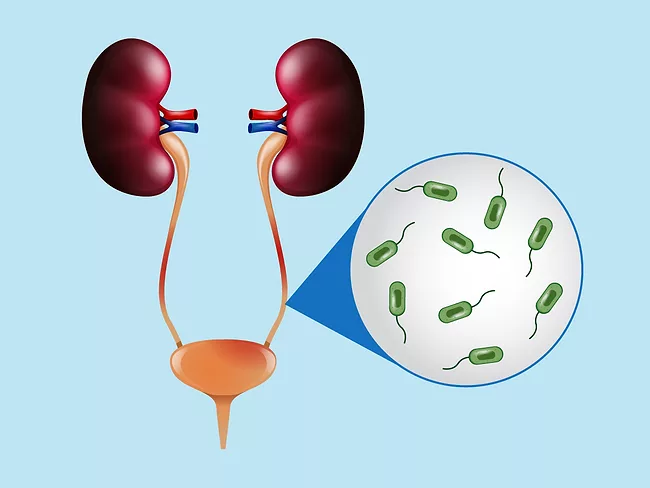
Venatorx Pharmaceuticals Inc. on Aug. 15 said the U.S. FDA accepted its NDA for an intravenous antibiotic combination, cefepime-taniborbactam, to treat complicated urinary tract infection (cUTI), including acute pyelonephritis.
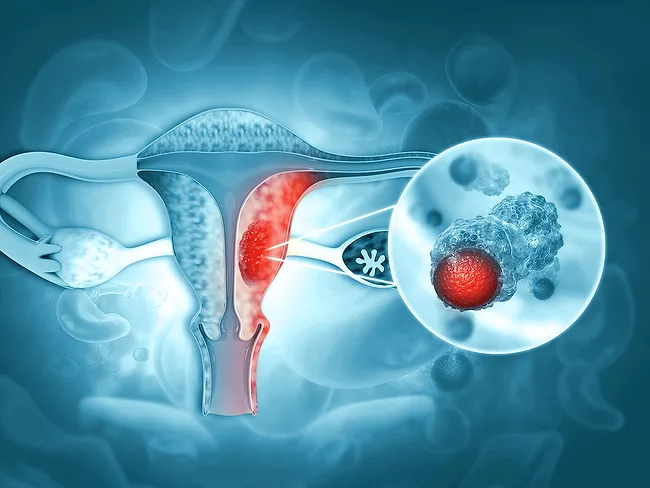
About two months ahead of the planned PDUFA date, the U.S. FDA has granted expanded approval of PD-1 antibody Jemperli (dostarlimab) from partners Anaptysbio Inc. and GSK plc for use in combination with standard-of-care chemotherapy. GSK said the drug would be the only frontline immuno-oncology treatment for endometrial cancer available in combination with carboplatin and paclitaxel. The supporting supplemental BLA for the expanded indication previously received priority review.