GSK plc has exercised its option to a nonexclusive license to Elsie Biotechnologies Inc.’s discovery platform, following a successful research collaboration both companies entered into last year to explore platform capabilities.
Merck & Co. Inc. CEO Robert Davis said the pneumococcal vaccines (PCVs) space is “an area where there is still a high unmet need, and what we have is a new vaccine specifically targeted to the adult population that addresses 83% of the residual disease. That's about 30% higher than anyone else that's out there.” Speaking Jan. 9 at the J.P. Morgan Healthcare Conference (JPM), Davis predicted that his firm “will take a majority share” of the market if approved. The Merck candidate, V-116, bears a PDUFA date with the U.S. FDA of June 17.
When life-saving inhalers sell in Europe at 1.5% to about 8% of their list price in the U.S., they’re bound to attract scrutiny, especially in a time when inequities in prescription drug prices are fueling more and more legislation to reduce U.S. prices.
GSK plc is plunking down $1 billion cash to take over Aiolos Bio Inc., with the promise of as much as $400 million in regulatory milestone payments along with tiered royalties. The deal gives London-based GSK asthma candidate AIO-001, a phase II-ready, long-acting antibody that binds to the human thymic stromal lymphopoietin (TSLP) ligand to inhibit TSLP signaling and relieve inflammation. GSK said AIO-001 could redefine the standard of care in asthma via the prospect of dosing every six months.
GSK plc has synthesized nitrogen-containing condensed 2,3-dihydroquinazolinone compounds acting as sodium channel protein type 10 subunit α (SCN10A; Nav1.8) blockers reported to be useful for the treatment of atrial fibrillation, osteoarthritis, and postoperative and neuropathic pain.
The spate of recent deals involving antibody-drug conjugates (ADC) continues in a field composed of record-breaking agreements in 2023. The newest of the deals were focused on Asia. GSK plc entered a license deal for the exclusive rights for clinical development and commercialization of Hansoh Pharmaceutical Co. Ltd.’s B7-H3-targeted ADC, HS-20093. Also, South Korea’s Dong-A ST Co. Ltd. is expanding into the ADC space by acquiring Abtis Co. Ltd. and its Abclick platform for ADC drug development.
The spate of recent deals involving antibody-drug conjugates (ADC) continues in a field composed of record-breaking agreements in 2023. The newest of the deals were focused on Asia. GSK plc entered a license deal for the exclusive rights for clinical development and commercialization of Hansoh Pharmaceutical Co. Ltd.’s B7-H3-targeted ADC, HS-20093. Also, South Korea’s Dong-A ST Co. Ltd. is expanding into the ADC space by acquiring Abtis Co. Ltd. and its Abclick platform for ADC drug development.
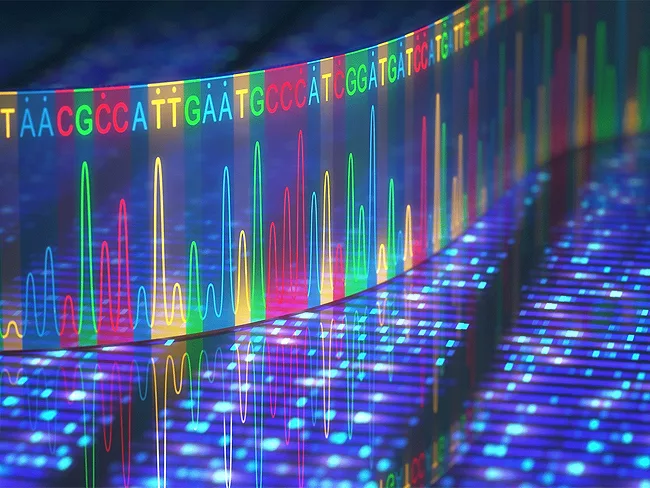
After five years and 350,000 hours of DNA sequencing, the UK Biobank has opened up access Nov. 30 to the whole genome sequences of half a million people who volunteered to give samples 15 years ago.
GSK plc is looking at a comeback for Blenrep (belantamab mafodotin) as an interim efficacy analysis brought the company good news. Almost exactly a year ago, phase III confirmatory study data for the already-approved multiple myeloma drug fell short of the U.S. FDA’s accelerated approval requirements, so the agency asked GSK to take the drug off the market for the indication.
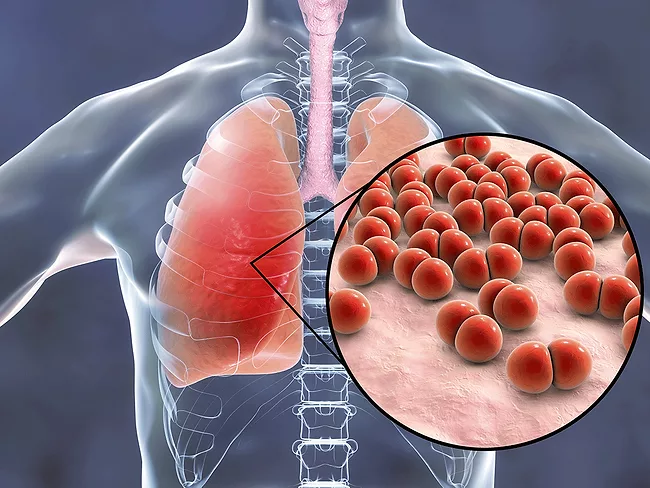
The Innovative Medicines Initiative’s COMBINE (COllaboration for prevention and treatment of MDR Bacterial INfEctions) project is developing a standardized in vivo pneumonia model to test small-molecule antibiotics.