A team of investigators at the University of Pittsburgh have found that a CXCR3-activating peptide (named CXCL10p) can prevent lung fibrosis and inflammation in the bleomycin mouse model.
A recent study published in PLOS Genetics has identified several novel genetic variants associated with the risk of orofacial clefts, a common and complex congenital disability. Orofacial clefts are caused by a combination of genetic and environmental factors and can occur in isolation or simultaneously with other birth defects.
Genprex Inc. and University of Pittsburgh have entered into a new sponsored research agreement (SRA) to study GPX-002, Genprex’s gene therapy for diabetes in animal models of type 1 and type 2 diabetes.
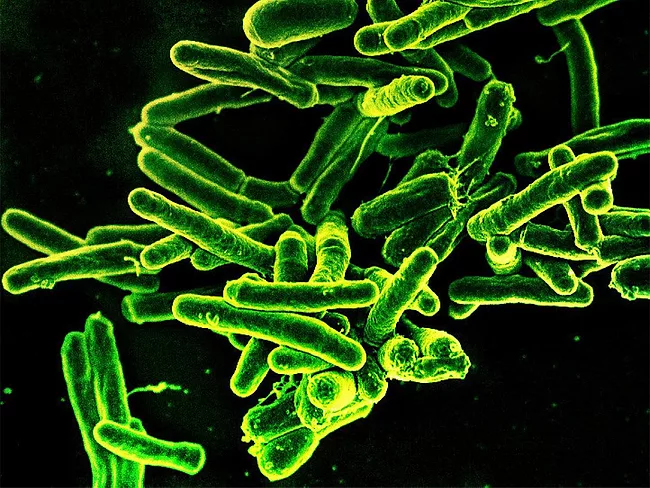
Professor Alexander Star and researchers from the University of Pittsburgh have filed for protection of their development of a rapid, affordable, and reliable tuberculosis diagnostic tool.
Scientists at the University of Pittsburgh have tested a broadly neutralizing antibody that binds the stem of a protein against H5N1 avian influenza, which prevented severe disease in nonhuman primates and was effective for at least 8 weeks. The scientists remark on the potential of the design developed by Astrazeneca plc against a possible outbreak of the influenza A virus.
Fox Chase Chemical Diversity Center Inc. and University of Pittsburgh have jointly described new proteolysis targeting chimeras (PROTACs) consisting of Nef (HIV-1)-targeting moiety covalently linked to cereblon (CRBN)-binding moiety.
A recent study published in Science Translational Medicine has examined a new approach to address inflammatory skin diseases, such as dermatitis and rosacea, by focusing on a specific glutamate receptor in mast cells.
An experimental tuberculosis (TB) vaccine with a dual mission – self-destruction after inducing immunity – improved the design of the Bacillus Calmette-Guérin (BCG) immunotherapy, a vaccine also used against cancer. Scientists at the University of Pittsburgh engineered this strain with a double break, which is effective and safer after an intravenous administration, according to their results in nonhuman primates and mice.
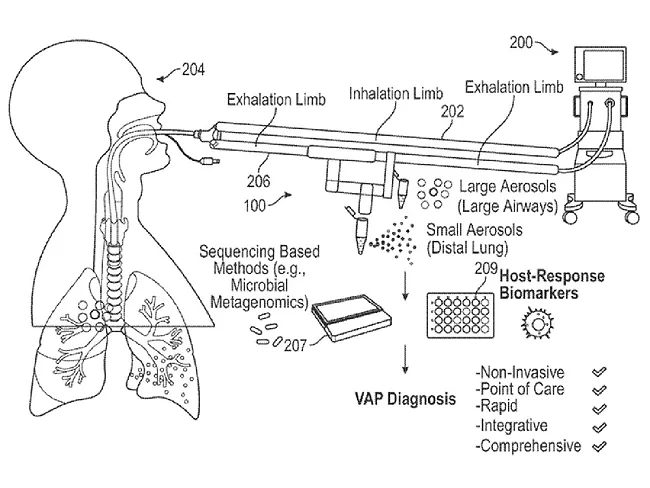
Researchers from the University of Pittsburgh have developed a device designed to collect exhaled respiratory aerosols from mechanically ventilated patients. Their device is designed to be non-invasive, highly efficient and can be readily placed in the exhalation line of ventilators without interfering in the functions of the ventilator.
In what represents its first patenting, Pittsburgh-based Reach Neuro Inc. is seeking protection for methods, sensors, and systems for detecting movement of a spine and stimulating specific regions of the spinal cord in response to the movement.