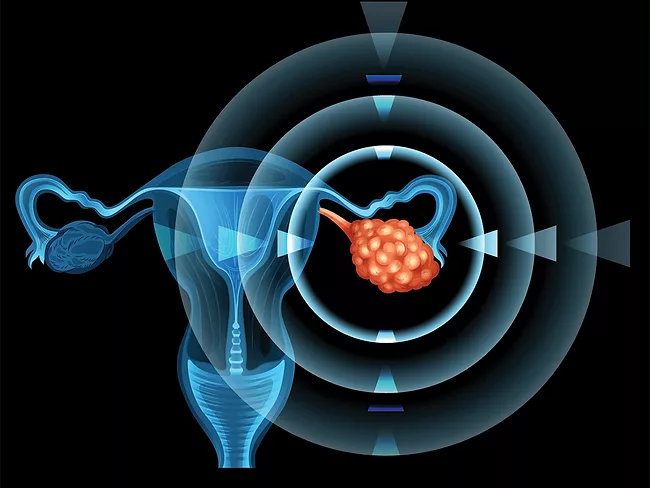
High-grade serous ovarian cancer (HGSC) is among the most lethal gynecologic malignancies, with up to 90% of patients eventually becoming resistant to platinum-based chemotherapy. The limited availability of effective targeted therapies for platinum-resistant HGSC presents a significant clinical challenge.
The absent, small or homeotic-like 1 (ASH1L) protein regulates the expression of HOXA genes, which are critical for the development of MLL1 translocations frequently found in leukemia patients. Knockdown of ASH1L leads to growth arrest and apoptosis of leukemia cells, thereby inhibiting leukemia progression suggesting that ASH1L can be considered as a therapeutic target in this setting.
The University of Michigan has synthesized proteolysis targeting chimeras (PROTACs) comprising a von Hippel-Lindau disease tumor suppressor (VHL)-binding moiety coupled to a signal transducer and activator of transcription 3 (STAT3)-targeting moiety via a linker.
Investigators from the University of Michigan and affiliated organizations published data from a study that aimed to investigate the role of cyclin-dependent kinase 12 (CDK12) in prostate cancer (PCa). Both in vivo and in vitro systems were developed to test the impact of Cdk12 ablation in the context PCa.
Scientists at Oncopia Therapeutics Inc. (dba SK Life Science Labs) and The University of Michigan have synthesized proteolysis targeting chimera (PROTAC) compounds comprising a cereblon E3 ubiquitin ligase-binding moiety coupled to a probable global transcription activator SNF2L2 (SMARCA2; BAF190B; SNF2-α) and transcription activator BRG1 (SMARCA4; BAF190A; SNF2-β)-targeting agent through a linker.
Cyclin-dependent kinases 12 and 13 (CDK12 and CDK13) are involved in the regulation of transcription elongation, DNA damage response and genomic stability balance. A few inhibitors of CDK12- and CDK13-mediated transcription have shown antiproliferative effects in the preclinical setting but have not progressed to clinical testing due to excessive toxicity.
The University of Michigan has identified proteolysis targeting chimeric (PROTACs) compounds comprising cereblon (CRBN) ligands covalently bonded to a CREB-binding protein (CREBBP; CBP) and/or histone acetyltransferase KAT3B (p300)-targeting moiety through a linker. They are described as potentially useful for the treatment of cancer, autoimmune and inflammatory disorders.
Scientists at Livzon Pharmaceutical Group Inc., Shanghai Institute of Organic Chemistry and the University of Michigan have identified proteolysis targeting chimeras (PROTACs) comprising an E3 ubiquitin ligase binding moiety covalently bound to a cyclin-dependent kinase 12 (CDK12) and 13 (CDK13) targeting moiety through a linker reported to be useful for the treatment of cancer.
The University of Michigan has published details on the discovery and preclinical characterization of a new potent and selective proteolysis targeting chimera (PROTAC) degrader of BRD9, CW-3308. Synthesis and optimization of two different cereblon ligands led to the discovery of a novel series of highly potent BRD9 degraders, with CW-3308 selected as the lead candidate.
The University of Michigan has identified proteolysis targeting chimeras (PROTACs) comprising cereblon (CRBN) ligands coupled to signal transducer and activator of transcription 3 (STAT3)-targeting moiety via linker acting as STAT3 degradation inducers.