The largest genetic analysis of abdominal aortic aneurysm (AAA) carried out to date has identified almost 100 new risk variants linked to the disorder. The study also highlighted a possible therapeutic target for this pathology that, at the moment, has no treatment. AAA affects 4% of people over 65 years of age in the U.S. and causes 41,000 deaths per year. The incidence is three to four times higher in men than in women.
The fungus Candida auris has become an urgent clinical problem at a shocking speed. It was not even mentioned in the U.S. CDC’s 2013 reports on antimicrobial threats, but was one of five pathogens on the agency’s 2019 top-tier Urgent Threat List.
Researchers from University of Michigan presented preclinical data for the novel oxylipin analogue CS-585 being developed as an antithrombotic agent. CS-585 was synthesized as an orally available analogue of 12(S)-hydroxy-eicosatrienoic (12-HETrE), with potent and selective prostacyclin (IP) receptor agonist activity and ability.
Under pathologic conditions such as vascular injury or atherosclerosis, the hyperactivation of platelets may lead to occlusive thrombus formation, myocardial infarction or stroke. Although there are several targets for clot prevention validated clinically, these strategies may present bleeding risk as a limitation. Researchers from the University of Michigan have reported on CS-014, a histone deacetylase (HDAC) inhibitor aimed to reduce clot formation without risk of bleeding.
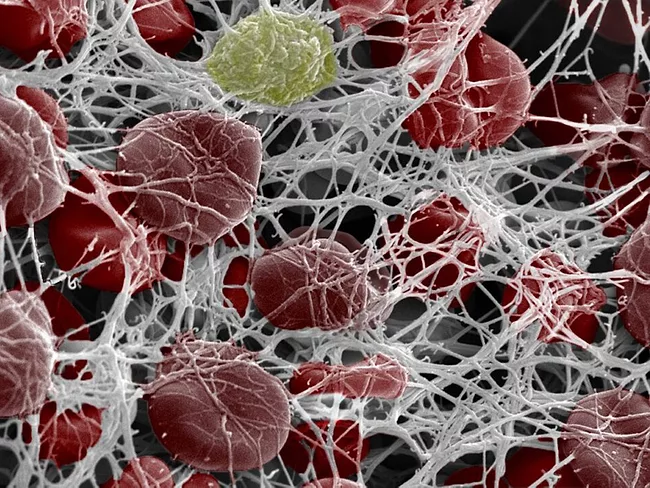
Blood clots can lead to life-threatening conditions such as deep vein thrombosis, heart attack, pulmonary embolism and stroke. Blood thinners are essential in the treatment and prevention of blood clots but carry a significant risk of bleeding as they target enzymes essential for blood clotting. Researchers at the University of British Columbia (UBC) and the University of Michigan have developed a new class of blood thinners that can specifically target clots without increasing the risk of bleeding.
Blood clots can lead to life-threatening conditions such as deep vein thrombosis, heart attack, pulmonary embolism and stroke. Blood thinners are essential in the treatment and prevention of blood clots but carry a significant risk of bleeding as they target enzymes essential for blood clotting. Researchers at the University of British Columbia (UBC) and the University of Michigan have developed a new class of blood thinners that can specifically target clots without increasing the risk of bleeding.
Synonymous or silent mutations do not change the sequence of the protein that they encode. With some exceptions, they do not trigger any effect. Last year, however, a study by researchers from the University of Michigan tried to refute this concept after finding that they altered the protein function. But breaking dogmas can have answers. A group of scientists from various institutions has found that this work could have a method error.
Courage Therapeutics Inc. and University of Michigan have synthesized peptides acting as melanocortin MC4 receptor (MC4R) agonists and/or MC3 receptor (MC3R) antagonist/partial agonists reported to be useful for the treatment of arthritis, depression, diabetes, hypertension, renal disorders and sleep apnea.
When oxygen levels of the intestine increase, the appropriate hypoxic conditions for intestinal microbiota are lost. This state may be caused by immune-mediated malfunction of the intestinal epithelium. By controlling oxygen levels, the imbalance in the intestinal microbiome (dysbiosis) can be reduced.