Upbeat phase III findings outweighed less encouraging late-stage trial news, as big pharma provided a mixed bag of cancer findings – with one data batch to form the basis of global approval bids, as Astrazeneca plc with Daiichi Sankyo Co. Ltd. unveiled interim results from a study called Tropion-Breast01. Targeting trophoblast cell surface antigen 2, datopotamab deruxtecan (dato) hit the mark in progression-free survival for patients with hormone receptor-positive, HER2-low or negative breast cancer in the study called Tropion-Breast01.
Hangzhou and New Jersey-based cancer biotech Adlai Nortye Ltd. – formerly Hangzhou Nuotai Pharmaceutical Co. Ltd. – announced plans to list on Nasdaq with its U.S. IPO filed on July 27.
Citius Pharmaceuticals Inc.’s retooled version of withdrawn cancer drug Ontak (denileukin diftitox) is not quite ready for prime time, according to the U.S. FDA, which issued a complete response letter (CRL) for the interleukin-2-diphtheria toxin fusion protein known as Lymphir. The agency is asking for Citius to incorporate enhanced product testing and additional controls but did not raise any concerns regarding safety and efficacy, the company said.
Hangzhou and New Jersey-based cancer biotech Adlai Nortye Ltd. – formerly Hangzhou Nuotai Pharmaceutical Co. Ltd. – announced plans to list on Nasdaq with its U.S. IPO filed on July 27.
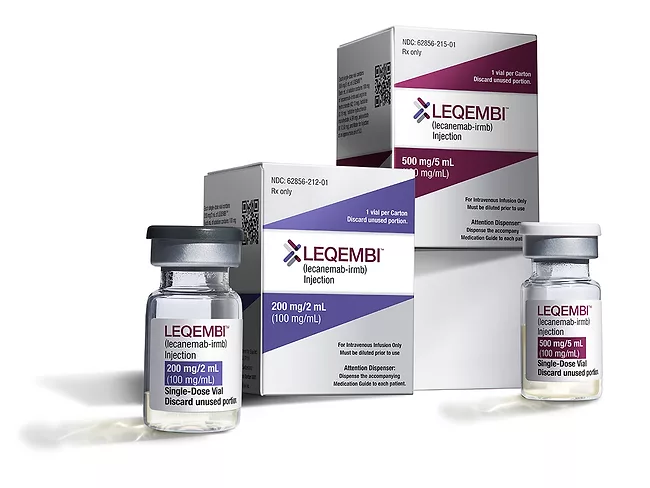
Questionable efficacy, high priced and risky side effects are some words to describe Leqembi (lecanemab), the latest amyloid beta-targeting antibody approved by the U.S. FDA, Korean experts said, but none of that diminishes the profound significance of the drug for Alzheimer’s disease.
Responding to medical advances and new standards of care in Alzheimer’s, the U.S. Centers for Medicare & Medicaid Services (CMS) is proposing to end its 10-year-old coverage with evidence development policy that has limited Medicare reimbursement of amyloid PET scans to once in a lifetime for beneficiaries – and then only when they’re used in a CMS-approved trial.
Questionable efficacy, high priced and risky side effects are some words to describe Leqembi (lecanemab), the latest amyloid beta-targeting antibody approved by the U.S. FDA, Korean experts said, but none of that diminishes the profound significance of the drug for Alzheimer’s disease.
The black box warning appended to the label of Alzheimer’s disease (AD) drug Leqembi (lecanemab) took some on Wall Street mildly aback but failed to surprise others, as analysts mulled what the full approval, granted July 6 by the U.S. FDA, might mean for other developers in the space.
The black box warning appended to the label of Alzheimer’s disease (AD) drug Leqembi (lecanemab) took some on Wall Street mildly aback but failed to surprise others, as analysts mulled what the full approval, granted July 6 by the U.S. FDA, might mean for other developers in the space.
A group of international partners with expertise in therapeutics, technology, health data management and data science have joined forces to develop a range of digital tools that will predict and monitor dementia. The two-year pilot project launched in the U.K. will see the unique group focus their initial efforts on developing data and digital solutions to complement existing treatments as well as solving issues related to the prediction, prevention, management and treatment of dementia related disorders.