Researchers from Suzhou Genassist Therapeutics Co. Ltd. have developed a novel canine model of Duchenne muscular dystrophy (DMD), expected to be more predictive of disease pathogenesis and treatment efficacy.
Dengue virus (DENV) is a member of the flavivirus family causing dengue fever, a mosquito-borne disease that can be life-threatening. Despite DENV’s widespread presence in over 80 countries and the significant health burden posed by the infection, there is still a critical need for therapeutics and vaccines, with current treatment options only providing supportive care.
Charcot-Marie-Tooth disease type 2E (CMT2E) is a slow and progressive neuropathy characterized by axonal dysfunction. Its clinical phenotype includes muscle weakness and atrophy, sensory loss and reduced nerve conduction velocity, among others.
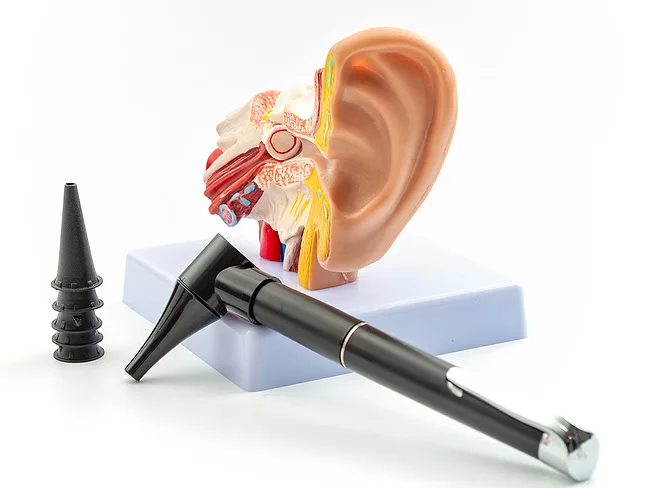
Eosinophilic otitis media (EOM) is a type 2-related otitis media. Scientists at the Hirosaki University Graduate School of Medicine have developed a new EOM animal model in guinea pigs by using the plant protease papain. Papin was intratympanically administered in a daily basis. They also investigated the expression of innate lymphoid cell type 2 (ILC2) in the middle ear mucosa of these animals.
Lysine demethylase 6A (KDM6A) is a demethylase that plays a key role at regulating developmental gene expression signatures in several tissues, including neuronal cells. The KDM6A gene is located in chromosome X and pathogenic variants in this gene are tied to Kabuki syndrome type 2. Even though progress in understanding the functions of KDM6A has been made, its role in cochlear development and auditory function remains poorly understood.
The research on glioblastoma requires the development of new preclinical murine models. The GL261 cell line forms glioma-like tumors in a reliable manner when transplanted intracranially, but these tumors do not completely mimic human glioblastoma. This model responds well to immune checkpoint inhibitors (ICIs), but ICIs have shown limited efficacy in some clinical trials.
Previous research has shown that aberrant sphingolipid metabolism, which is evidenced by elevated levels of circulating ceramide, is associated with poor prognosis in patients with prostate cancer (PC). Work at the University of Adelaide has led to the establishment of a new syngeneic mouse model to study the role of sphingolipid metabolism in PC.
Mouse models for hemophilia A are commonly generated by factor VIII (FVIII) knockout, however, these mice rapidly develop anti-FVIII antibodies during repetitive FVIII administration. To overcome this preclinical research challenge, investigators from Octapharma AG and affiliated organizations developed a new model unable to produce antibodies but otherwise not immunosuppressed.
Researchers from Fudan University and Southwest University published data from a study that detailed the development of a novel vertebrate model suitable for high-throughput screening of potential antiaging compounds.
Most clinically relevant T-cell receptor (TCR)-engineered T cells are typically tested in immunocompromised mice, allowing human T-cell engraftment but failing to replicate the complex interactions of a functioning immune system in patients. While humanized mouse models exist, they face challenges with incomplete immune reconstitution and technical complexity.