About five months after the U.S. FDA disclosed its roadmap to move away from animal testing in favor of new approaches for biopharma drug development, the U.S. National Institutes of Health (NIH) said it is awarding $87 million in contracts over three years to launch the Standardized Organoid Modeling Center.
Nipah virus (NiV) and Hendra virus (HeV) are highly pathogenic henipaviruses that cause severe respiratory and neurological disease in humans, often with high fatality rates. To date, NiV has caused 749 cases across nine countries with 43%-100% fatality rates, while HeV infections are fewer but similarly lethal (57%).
“The impoverished laboratory environment in which mice and rats are maintained has been very good at increasing experimental replicability,” Steven Austad told the audience at the 12th Aging Research & Drug Discovery Meeting (ARDD) in Copenhagen last week. “But at the cost of sacrificing translational relevance.”
Acute respiratory distress syndrome (ARDS) is a life-threatening pulmonary condition marked by intense inflammation, alveolar damage and fluid accumulation in the lungs, often leading to respiratory failure. In a study recently published in Translational Research, researchers aimed to develop a more physiologically relevant model by combining two major ARDS contributors: gastric acid aspiration and ventilator-induced lung injury.
The lack of animal models that mimic human disease impedes the study of many pathologies that still lack treatment beyond symptom relief. This is what has happened so far with PURA syndrome, a rare disorder affecting brain development for which a mouse model has finally been developed. Other times, small and large models exist, but an effective treatment remains elusive, as is the case with Krabbe disease, a fatal disease in children that could be prevented with the advances in gene therapy.
The National Institutes of Health (NIH) is adopting a new initiative to expand innovative, human-based science while reducing animal use in research. Developing and using alternative nonanimal research models aligns with the FDA’s recent initiative to reduce testing in animals.
In a roadmap to change animal testing requirements for INDs, the U.S. FDA said its new approach will improve drug safety, hasten the evaluation process, and lower costs for companies and patients. It’s another step in a process of changing rules put in place decades ago.
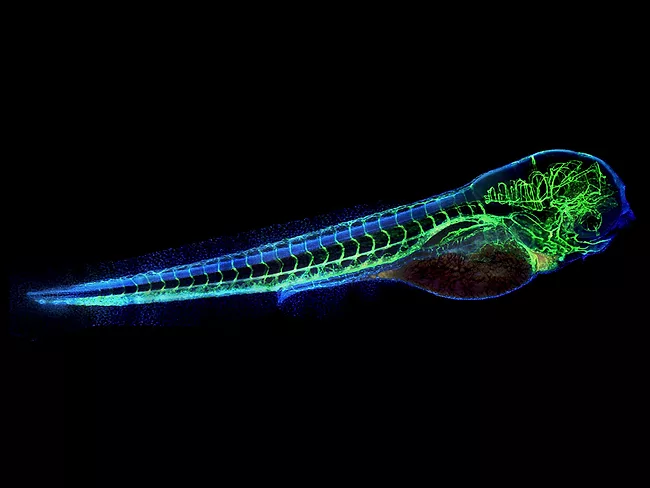
Previous studies have shown that protein expression of DOCK7 is increased in skeletal muscle biopsies from patients with Duchenne muscular dystrophy (DMD), leading researchers from the University of Alabama at Birmingham and affiliated organizations to assess the functional impact of DOCK7 on normal muscle and embryonic development of zebrafish.
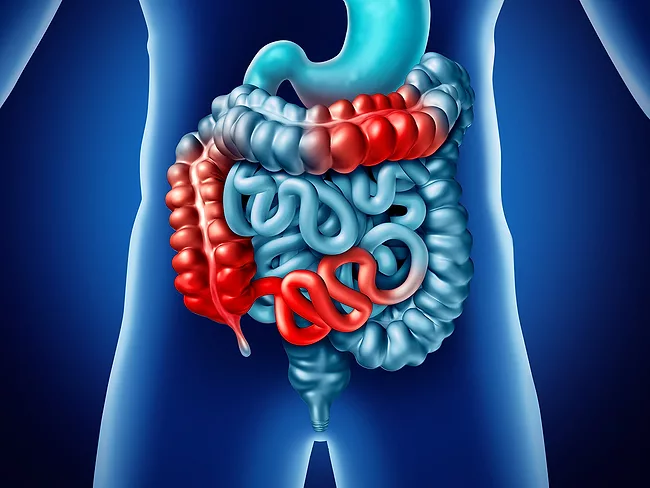
Researchers from Chinese Academy of Sciences detailed the creation of a new dextran sulfate sodium (DSS)-based mouse model of immune checkpoint blockade (ICB) therapy-associated colitis.
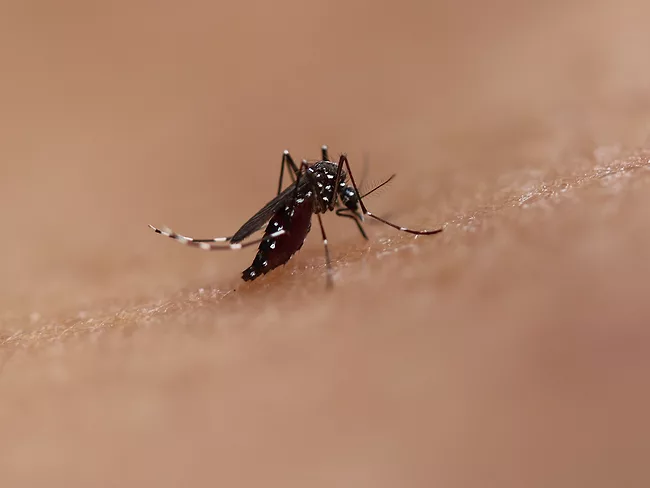
Dengue virus (DENV) is a member of the flavivirus family causing dengue fever, a mosquito-borne disease that can be life-threatening. Despite DENV’s widespread presence in over 80 countries and the significant health burden posed by the infection, there is still a critical need for therapeutics and vaccines, with current treatment options only providing supportive care.