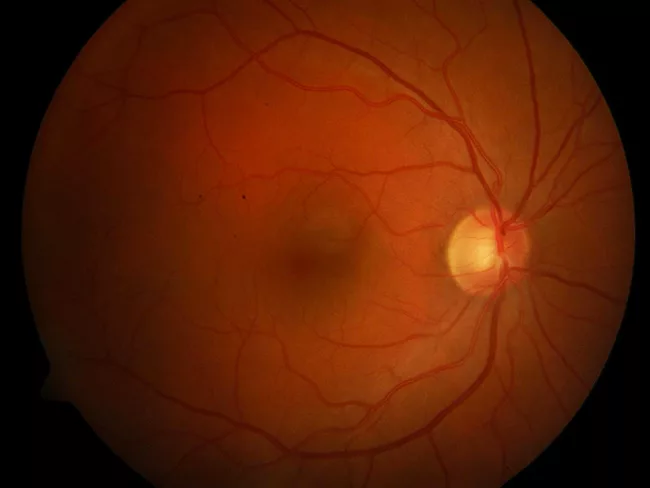
At the recent Macula Society Meeting, researchers from the Molecular Insight Research Foundation reported on the creation of a novel murine model of North Carolina macular dystrophy.
Pompe disease is caused by a deficiency in the lysosomal enzyme acid α-glucosidase (GAA) that leads to accumulation of glycogen in the lysosomes, mainly seen in skeletal and cardiac muscles. Researchers from Duke University have developed a new murine model of Pompe disease, which recapitulates human infantile-onset disease. This model harbors the c.1826dupA mutation in the murine Gaa gene, which resembles the human GAA c.1826dupA (p.Y609*) mutation seen in infantile-onset Pompe disease.
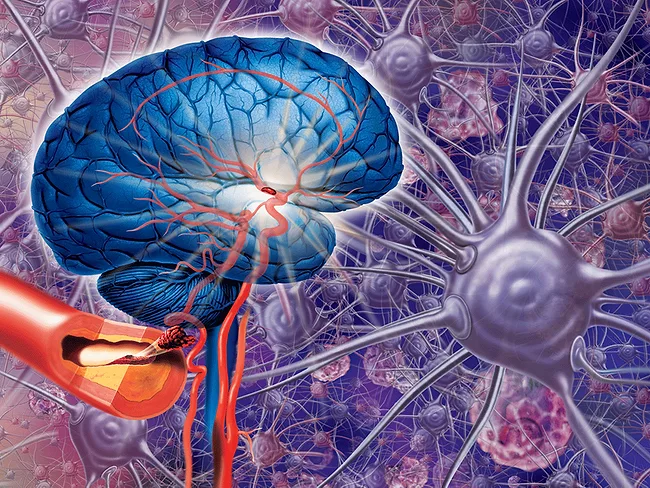
Researchers from Mercer University have presented a middle cerebral artery/ferric chloride (MCA/FeCl3) thromboembolic mouse model of COVID-19-induced stroke and cerebrovascular complications.
Researchers from the Yale University School of Medicine have developed a novel murine model of Gaucher disease type I with the aim to investigate the impact of GBA1 deficiency on hematopoiesis and the immune system, in order to elucidate potential therapeutic targets.
Japanese researchers have developed a new rat model of thromboembolic ischemic stroke that did not require arterial ligation of the external carotid artery, which makes the research for thrombolytic agents more complicated.
Nonhuman primate (NHP) models may contribute to advance research in Alzheimer’s disease (AD) thanks to their genetic, anatomical and physiological similarities with humans. However, their use in AD research is limited by significant challenges, including long generation times, ethical considerations and technical challenges of genetic modification.
The most common genetic cause of hereditary deafness in humans are mutations in the GJB2 gene, especially the 35delG and 235delC mutations. At the recent ARO meeting, researchers from Ear Nose and Throat Hospital of Fudan University presented the creation of a novel mouse model for studying the pathogenic mechanisms of hereditary deafness resulting from these mutations.
Biopsies from up to 14% of patients with non-small-cell lung cancer (NSCLC) showing resistance to epidermal growth factor receptor (EGFR) tyrosine kinase therapy ascertain histologic transformation (HT) to SCLC, which is estimated to kill around 250,000 patients globally, every year. In a study published in Science on Feb. 9, 2024, researchers from Weill Cornell Medicine have dissected that complex process using a genetically engineered mouse model of pulmonary HT.
Researchers from Texas A&M University System have detailed the development and characterization of a novel pediatric rat model of organophosphate (OP)-induced status epilepticus (SE).
Burn injuries, including those induced by chemicals, may have systemic effects, and can lead to acute lung injury (ALI). Chemical burn injuries account for about 2% to 5% of total skin burn injuries. Among the chemicals, vesicating agents like Lewisite are particularly relevant due to the lack of antidotes.