Polymeric nanoparticles selectively accumulate in solid tumors in part due to tumor-associated angiogenesis without efficient lymphatic drainage exerting an enhanced permeation and retention (EPR) effect. Many radiotherapies fail due to poor tumor cell selectivity.
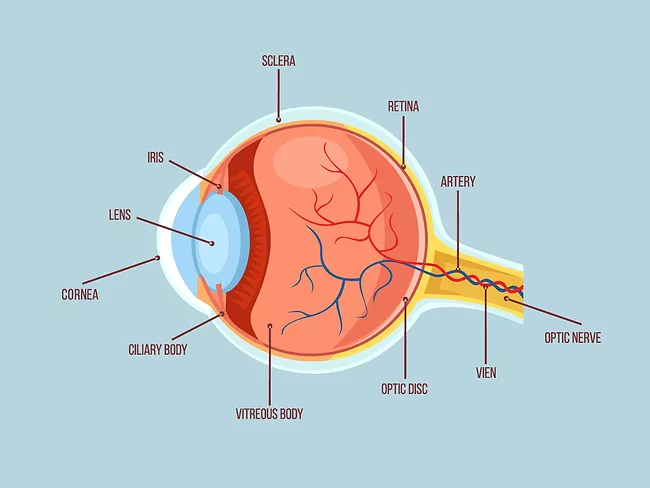
Traumatic optic neuropathy (TON) is a serious complication combining craniocerebral, orbital and facial injuries. While there is currently no reliable animal model of this condition, it has been previously demonstrated that TON can cause the loss of retinal ganglion cells (RGC). In the current study, researchers from Shanghai Jiaotong University developed a novel mouse model of distal TON, with the aim of assessing the cascade reactions of RGCs in this disease.
SUMOylation is a post-translational modification consisting of the covalent addition of SUMO peptides on a target protein, which can affect various processes such as protein stability, interactions or subcellular localizations. This modification finetunes protein function involved in the cellular response to stress, differentiation and tissue development.
To deeply investigate the potential role of UTX in neurogenesis, scientists have developed a KDM6A-deficient murine model in neural stem/progenitor cells (NSPCs).
One of the snarkier ways to describe psychology – and unfortunately, not a completely incorrect one – is as the study of behavior in white rats and college sophomores. For a long time, biomedical research suffered a parallel problem: of white mice and white men. Things are slowly improving as far as diversity in clinical research is concerned, and there are a number of species other than mice that are widely used because they are well-suited to study certain processes.
Tucked into the 4,155-page, $1.7 trillion spending bill for fiscal 2023 that U.S. President Joe Biden signed into law Dec. 23 is a small provision that may have outsized impact on future biosimilar and other drug development. Championed by lawmakers on both sides of the political spectrum, the provision modernizes the data that can be used to support drug development, including alternatives to animal studies.
Trastuzumab deruxtecan (DS-8201a) is an antibody-drug conjugate used for the treatment of metastatic HER2+ breast cancer that is refractory to anti-HER2 therapy such as T-DM1, however, there is a lack of knowledge on acquired or innate resistance to the drug.
Cyclin-dependent kinase 4 (CDK4) and CDK6 inhibitors, in combination with letrozole or fulvestrant, have been approved for treating hormone receptor-positive breast cancer. Even though the therapy shows benefits in some patients, resistance develops in other treated patients.
The sex-determining region Y (SRY)-related HMG-box, group E (SOXE) transcription factors SOX9 and SOX10 are essential for the specification and differentiation of many progenitor cell types and for the development of several organs and tissues.
Tuberous sclerosis complex (TSC) is a multisystemic disorder caused by loss-of-function mutations in the TSC1 or TSC2 genes. Its clinical phenotype is heterogenous, but most patients with TSC have epilepsy.