The nucleotide-binding oligomerization domain-like receptor pyrin domain containing 3 (NLRP3) inflammasome is an intracellular multiprotein complex that may be activated by exogenous or endogenous signals and is involved in the pathogenesis of several inflammatory disorders.
Researchers from East China Normal University and Fudan University presented the discovery of a new oral compound, Z-526, being developed as a treatment to alleviate chemotherapy-induced cachectic muscle loss.
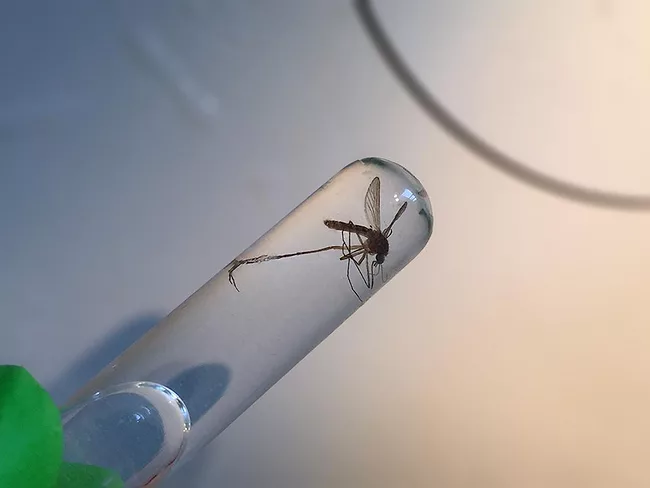
Zika virus (ZIKV), Dengue virus (DENV) and yellow fever virus (YFV) are closely related mosquito-borne flaviviruses for which effective treatment or prophylactic options are still scarce.
Promoting α-synuclein (α-Syn) aggregate disassembly is one of the strategies to combat Parkinson’s disease (PD), the second most prevalent neurodegenerative disease after Alzheimer’s disease.
Researchers from Fudan University and affiliated organizations have reported the discovery of dual inhibitors of histone deacetylase (HDAC) and tubulin polymerization as potential anticancer agents.
Fudan University has patented compounds acting as microtubule-associated proteins 1A/1B light chain 3B (MAP1LC3B) inhibitors and proprotein convertase subtilisin/kexin-type 9 (PCSK9) degradation inducers reported to be useful for the treatment of alopecia, atherosclerosis, cancer, Alzheimer’s disease, pulmonary fibrosis, hyperlipidemia, keratosis and obesity, among others.
Researchers from Fudan University and affiliated organizations presented the discovery of novel PIM kinase inhibitors for the treatment of acute myeloid leukemia (AML). A literature-aided molecular hybridization strategy was applied to synthesize a structurally novel compound, based on an N-pyridinyl amide scaffold. Subsequent optimization showed that the positional isomerization of pyridine N toward to Lys67 resulted in a decrease of potency while increased freedom of solvent fragment toward Asp128/Glu171 led to an increase in activity.
Fudan University and Shanghaitech University have developed proteolysis targeting chimeras (PROTACs) comprising an E3 ubiquitin ligase binding agent coupled to Bcl-2-like protein 1 (Bcl-xl; Bcl-X; BCL2L1) targeting moiety via linker. They are reported to be useful for the treatment of cancer, autoimmune disease, myelofibrosis, neurodegeneration, kidney fibrosis, transplant rejection, diabetes and cardiovascular disorders, among others.
Lung adenocarcinoma (LUAD) represents 35% to 40% of all lung cancers, making it the most common non-small-cell lung cancer in the U.S. Despite continual treatment advances, lung cancer remains the leading cause of cancer-related mortality worldwide. Accordingly, there is an ongoing urgent need to identify targets and associated therapeutics.