Interleukin-17 (IL-17), a cytokine produced by T helper 17 (Th17) cells, is a key player in host inflammation and immune dysfunction leading to autoimmune diseases such as psoriasis, rheumatoid arthritis, multiple sclerosis or asthma, among others.
The brain is plastic throughout life, but never more so than from birth to young adulthood. It increases its volume by developing dendrites and axons that connect neurons in to each other, forming new pathways to process the information that it will store. Those connections require maintenance. And if a connection is unsuccessful, better to delete it than to keep it. This is known as synaptic pruning and occurs from childhood to the age of 20. Now, a group of scientists from the University of Cambridge and Fudan University has described a neuropsychopathological (NP) factor that explains why inappropriate pruning in adolescence is related to mental health disorders.
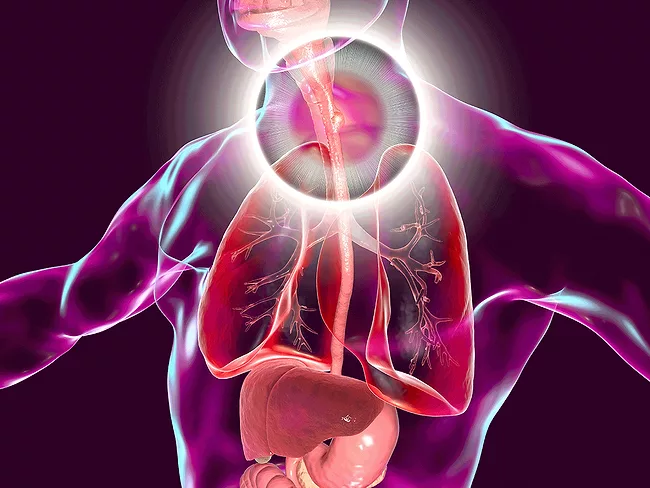
Esophageal squamous cell carcinoma (ESCC) is a common malignant subtype of esophageal cancer that predominantly occurs in East Asian countries. Although genomic aberrations and highly mutated genes, such as TP53, have been identified in advanced stages, the first occurrence of mutations and their related effects during ESCC carcinogenesis remain poorly understood.
N6-methyladenosine (m6A) is the most common endogenous modification in eukaryotic RNAs. Researchers are starting to understand the impact of changes in m6A levels on cancer mechanisms, including immune evasion.
Researchers from Fudan University presented data from a study that aimed to assess the significance of a newly found long noncoding RNA (lncRNA), Ewing sarcoma-associated transcript 1 (EWSAT1), in hepatocellular carcinoma (HCC) metastasis.