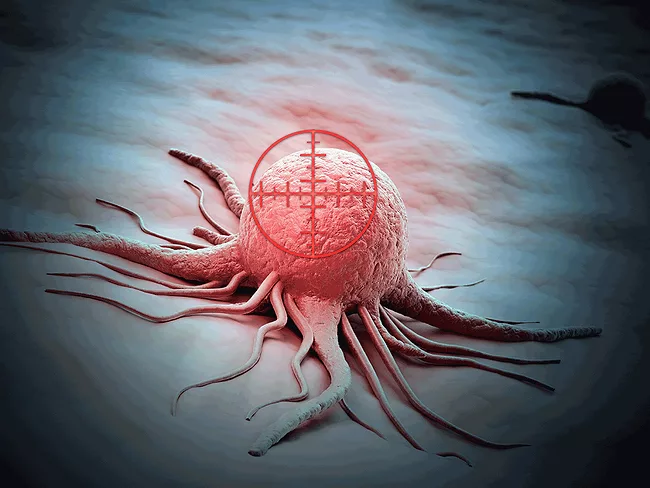
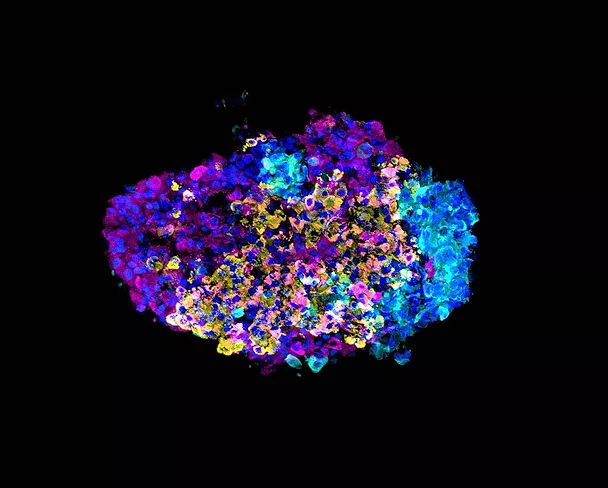
A team of investigators at Icahn School of Medicine at Mount Sinai and collaborating institutions aimed to isolate the on-target activity of CAR T cells to target tumor cells.
Recent findings are reshaping current understanding of the post-infection landscape of SARS-CoV-2. Although previous studies had already suggested that autoimmunity might underlie the persistent neurological symptoms seen in long COVID, researchers at Yale University and Mount Sinai now reinforce this hypothesis. SARS-CoV-2 infection appears to trigger an autoimmune mechanism that drives chronic pain, fatigue and cognitive impairment in some patients.
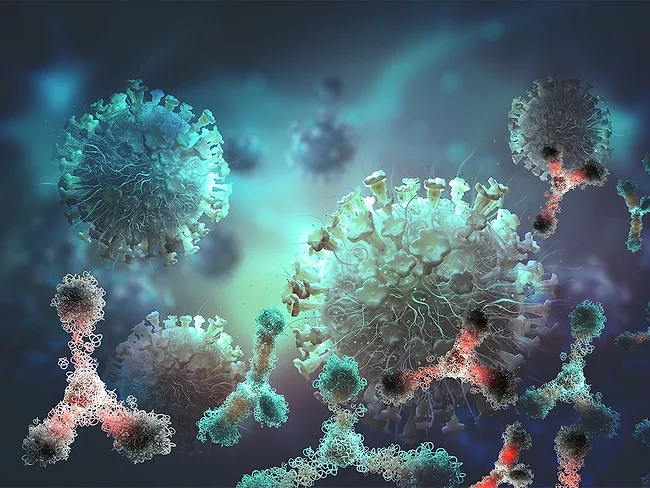
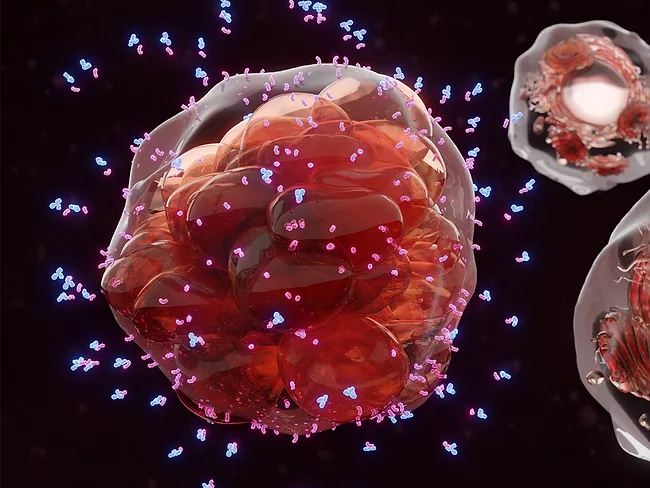
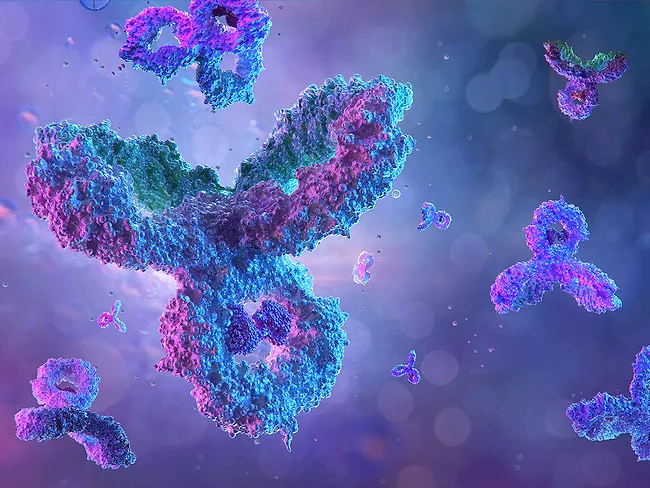
The major histocompatibility complex class I polypeptide-related sequences A and B (MICA/B) are frequently expressed by cancer cells. In a recently published study, researchers from Icahn School of Medicine at Mount Sinai hypothesized that the therapeutic efficacy of anti-MICA/B antibodies could be enhanced through Fc optimization with three point mutations in the Fc region: G236A, A330L and I332E (GAALIE).
Liver fibrosis in the course of metabolic dysfunction-associated steatohepatitis could be significantly reduced using CAR T-cells generated in vivo. Scientists at the Icahn School of Medicine at Mount Sinai have developed an experimental cell therapy that eliminates only one type of liver cell, the stellate cells that express fibroblast activation protein alpha. This strategy not only reduced fibrosis but also reversed liver damage.
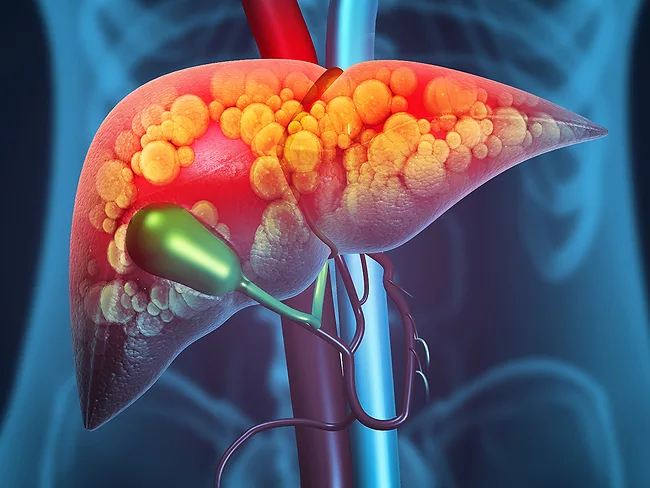
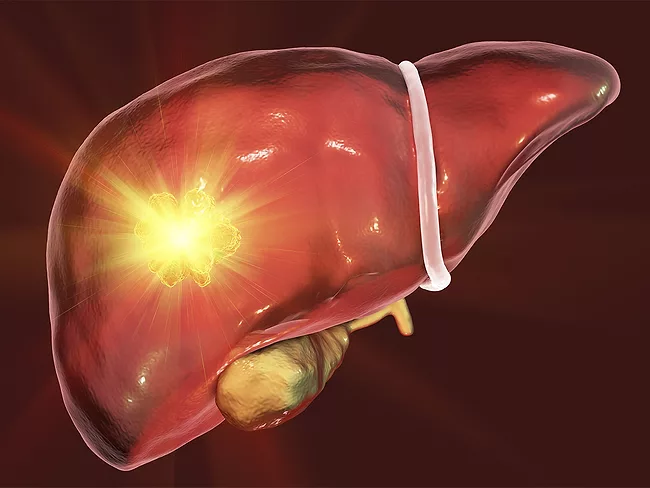
Liver fibrosis in the course of metabolic dysfunction-associated steatohepatitis (MASH) could be significantly reduced using CAR T-cells generated in vivo. Scientists at the Icahn School of Medicine at Mount Sinai have developed an experimental cell therapy that eliminates only one type of liver cell, the stellate cells that express fibroblast activation protein alpha (FAP). This strategy not only reduced fibrosis but also reversed liver damage.
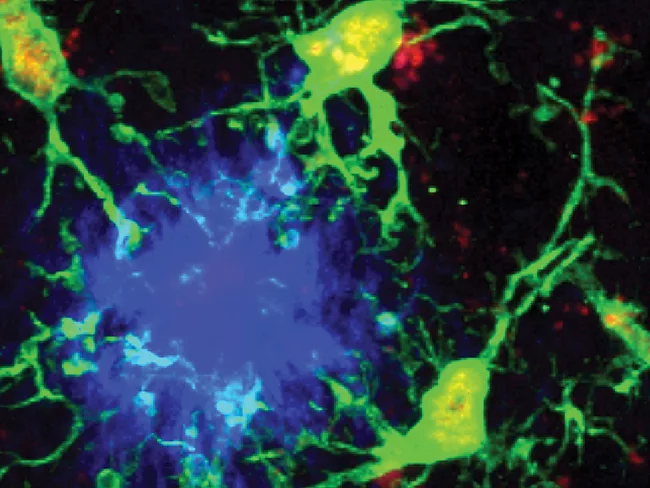
In Alzheimer’s disease, microglia act as a double-edged sword. They can either protect the brain or worsen the damage, depending on their activation state. Inflammatory activation harms healthy neurons. However, a study reveals that a special type of microglia expressing specific receptors and behaving like T cells may help mitigate this neurodegenerative condition.
Researchers from Mount Sinai Center for Translational Medicine and Pharmacology at Icahn School of Medicine at Mount Sinai and colleagues have developed a therapeutic humanized antibody that blocks the action of follicle-stimulating hormone (FSH), a pituitary hormone previously thought to only play a role in fertility.
Jynneos, a current vaccine against orthopoxviruses such as smallpox and mpox virus, elicits only modest antibody responses, highlighting the need to search for more immunogenic vaccines or treatments. The global outbreak of mpox virus infections in 2022 lent urgency to this challenge.
Aberrant activation of β-catenin, often due to mutations in its encoding gene or loss-of-function mutations in APC, contributes to tumor progression and therapy resistance, as seen in advanced hepatocellular carcinoma (HCC), where approximately 30% of cases exhibit β-catenin activation.
In type 2 diabetes patients, inadequate hyperglycemic control can lead to insulin-secreting β-cell exhaustion, dedifferentiation and eventual loss. Since adult β cells have limited proliferative capacity, this final stage cannot be reversed.