Long Island University and Mount Sinai School of Medicine have jointly developed intermediate conductance KCa3.1 (IKCa1) channel blockers reported to be useful for the treatment of renal disorders.
By adapting computational methods for dealing with large volumes of data, and slimming down that data, researchers at the Icahn School of Medicine at Mount Sinai have discovered previously unknown genetic associations with 19 rare diseases, and validated three of those associations.
By adapting computational methods for dealing with large volumes of data, and slimming down that data, researchers at the Icahn School of Medicine at Mount Sinai have discovered previously unknown genetic associations with 19 rare diseases, and validated three of those associations.
Scientists from the Icahn School of Medicine at Mount Sinai have found a sexual dimorphism of depression based on the different expression of a molecule that could be developed as a therapeutic strategy. “There is a big sex difference in depression. Women are much more likely to have depression than men. They tend to have different subsets of symptoms. They tend to respond better to different antidepressants, and the depression tends to be more severe,” Orna Issler, the first author of the study and a postdoctoral researcher at the Nash Family Department of Neuroscience, Friedman Brain Institute, Icahn School of Medicine at Mount Sinai, told BioWorld. Their project, directed by Eric Nestler, a professor of neuroscience and director of the Friedman Brain Institute at the Icahn School of Medicine at Mount Sinai, had the aim to understand the biology of these sex differences of depression and to find therapeutic targets for it.
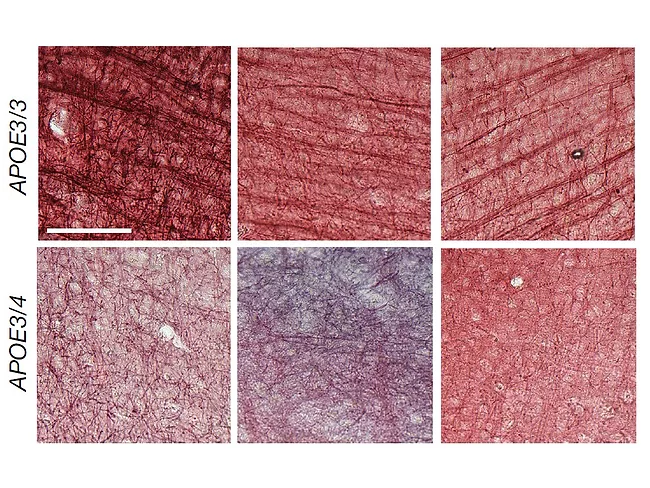
Carrying the apolipoprotein E4 allele (APOE4), and not the APOE3 variant, is the strongest risk factor for developing Alzheimer’s disease (AD). But the underlying mechanism has remained elusive. Now, researchers at MIT and Mount Sinai have found that in brains carrying the APOE4 allele, lipid and cholesterol processes were dysregulated in oligodendrocytes and that this effect reduced myelination.