Long noncoding RNAs (lncRNAs) have emerged as potential markers of disease, since they associate with proteins that regulate gene expression, translation or stability, among others, and where hypoxia might play a role in this scenario. In recently published work, researchers analyzed clinical data from patients with lung adenocarcinoma to identify hypoxia-modulated lncRNAs in vivo and in vitro, and which could correlate with prognosis.
Long noncoding RNAs (lncRNAs) have emerged as potential markers of disease, since they associate with proteins that regulate gene expression, translation or stability, among others, and where hypoxia might play a role in this scenario. In recently published work, researchers analyzed clinical data from patients with lung adenocarcinoma to identify hypoxia-modulated lncRNAs in vivo and in vitro, and which could correlate with prognosis.
Esophageal cancer is among the most lethal cancers with a high mortality rate worldwide. Chinese researchers have explored the potential link between long intergenic non-protein coding RNA 1354 (LINC01354) and esophageal cancer.
Endometrial cancer is the most prevalent gynecological malignancy in high-income countries, and the discovery of new biomarkers may aid in earlier detection and improve the prognosis of patients.
Pulmonary arterial hypertension (PAH) is a life-threatening disease; vasodilators may aid in managing this condition, but their impact on prognosis is still limited, potentially due to a lack of biomarkers to guide therapy. Japanese researchers have presented results of their efforts to discover potential molecular markers that may predict response to pulmonary vasodilators.
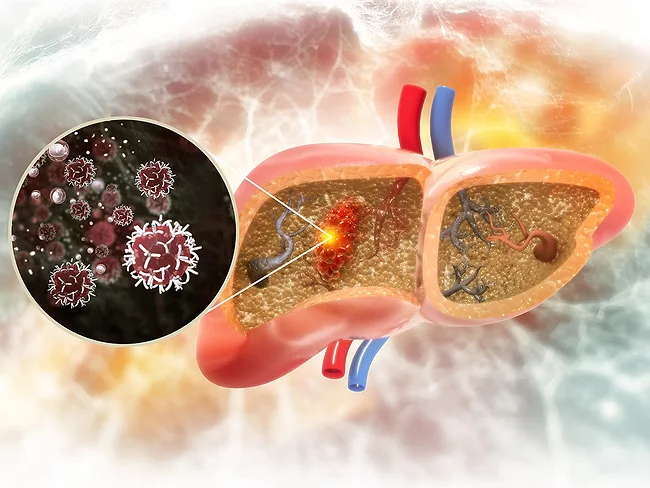
Heat shock protein family H member 1 (HSPH1) plays a key role in cellular stress and protein homeostasis, and it has been implicated in proliferation, invasion and metastasis of tumor cells. A recent study aimed to investigate the link between HSPH1 and the prognosis of HCC.
Calcific aortic valve disease (CAVD) is the most prevalent acquired valve heart disorder in aging populations. Its most severe form in aortic valve stenosis (AVS), with an average survival of 2-3 years once symptoms appear. The early diagnosis of AVS based on circulating biomarkers is crucial to label high-risk patients before they progress to the severe form.
Colorectal cancer is among the most common malignant tumor types and the second leading cause of tumor-related deaths worldwide. Tumor necrosis factor α-induced protein 8-like protein 2 (TIPE2) is a protein member of the TIPE family and highly expressed in immune cells. The prognostic impact and the relationship with tumor immunity of TIPE2 plus other immune markers such as CD8, CD20 and CD66b were evaluated in colorectal cancer by researchers from First Affiliated Hospital of Anhui Medical University and collaborators.
Estrogen receptor-positive (ER+) breast cancer remains a major challenge even with well-defined treatment options. The identification of reliable markers for early detection of the disease is crucial for improving patient outcomes.
Hepatocellular carcinoma (HCC) is among the leading causes of cancer-related deaths worldwide due to lack of effective diagnosis at early stages and limited comprehension of its pathogenesis, thus limiting the development of effective treatments.