Developing new gene therapies for autosomal dominant polycystic kidney disease (ADPKD) is still a challenge to date. A group of researchers from the Johns Hopkins Medicine in Baltimore has presented results from evaluation of a new gene therapy for treating ADPKD, AAV1-CBdelta27-264CFTR, where they focused on the surface receptors expressed in cystic epithelia.
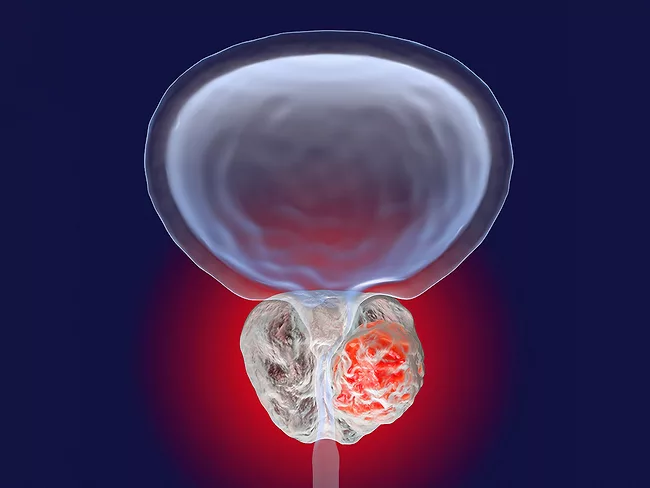
Prostate cancer is still one of the main causes of cancer death among men; while prostate-specific antigen (PSA) testing is done for screening, there are recommendations against its use due to its nonspecific and suboptimal results. There is thus an urgent need for new biomarkers that are more accurate in the detection of prostate cancer.
A recent study published in the Journal of Clinical Investigation by researchers at Johns Hopkins University School of Medicine and collaborators identified HMGA1 as a key epigenetic regulator that enhances Wnt signaling in colon cancer.
Glioblastoma multiforme (GBM) recurs in most patients despite the aggressive therapies they receive. Novel advances allow the development of targeted therapies to treat tumors of the brain. Researchers from the Johns Hopkins School of Medicine have applied bioinformatics plus forward thinking on microRNA biology to advance targeted therapies for GBM.
Researchers from the Johns Hopkins University School of Medicine have hypothesized that LP-184 could synergize with the PARP inhibitor rucaparib, which avoids DNA repairing in tumor cells, for the treatment of atypical teratoid rhabdoid tumor.
Mycosis fungoides (MF) is the most frequent form of cutaneous T-cell lymphoma. Although there are therapeutic options for the management of MF, long-term remission or complete cure are difficult to achieve with current drugs in the clinical setting.
Triple-negative breast cancer (TNBC) is the most aggressive breast tumor subtype and despite treatment advances, still has shorter median overall survival rates and higher recurrence and metastatic rates than other subtypes, due to resistance to chemotherapy.
A new drug that inhibits the glutamate carboxypeptidase II (GCPII) enzyme could be used to treat inflammatory bowel disease (IBD), according to a new study in mice and human organoids. After decades of research trying to design GCPII inhibitors against neurological disorders, the new compound could be effective for another use.
Contrary to current opinion, genomic instability is not the origin of cancer in patients with short telomere syndromes (STSs), researchers from the Johns Hopkins University School of Medicine reported April 2, 2023, in Cancer Cell. Instead, short telomeres appeared to cause memory T-cell dysfunction that increased the risk of a small number of tumor types in individuals with STS. Such syndromes can cause premature aging of different physiological systems.