Craniopharyngiomas are a rare brain cancer of the suprasellar region, and despite being benign tumors, their management can be challenging. Investigators from the Children’s Hospital of Philadelphia have aimed to identify transcriptional factors that may predict recurrence of craniopharyngiomas.
In what represents its first patenting, Sonura LLC has been issued with a patent for an aural device designed to protect the hearing of infants in a neonatal intensive care unit (NICU) by active filtering, while, at the same time, providing aural stimulation for neurological development.
The KCNC1 gene encodes the voltage-gated potassium channel subunit KV3.1, and variants in this gene have been previously linked to developmental and epileptic encephalopathy (DEE).
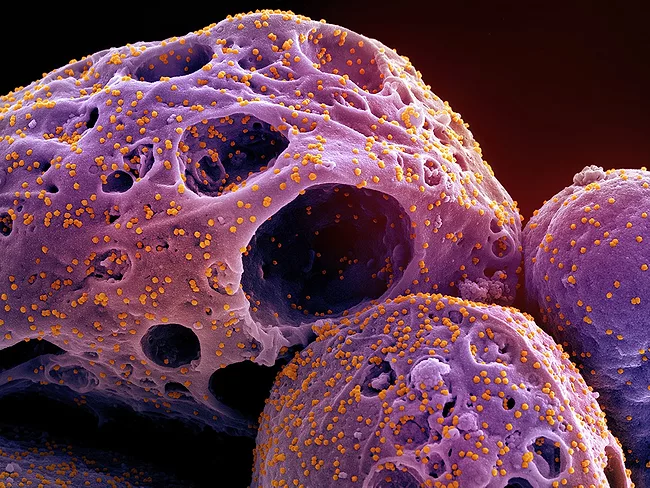
How severe a viral infection is depends on how much the virus is replicating, damaging cells as it does so, and on the response of the immune system. Or so one would think. “Some of the most severe cases of COVID-19 are happening in the absence of replicating virus,” Joseph Guarnieri told BioWorld. In work published in Science Translational Medicine on Aug. 9, 2023, Guarnieri and his colleagues have described how those severe cases unfold, even as there is no replicating virus to be found.
Diabetes has been associated with increased bone fracture risks, however, the cellular and molecular mechanisms underlying diabetic bone fragility are not clear. In the current study, researchers from the Children's Hospital of Philadelphia presented data from a study that aimed to investigate these mechanisms in murine monogenic model of type 1 diabetes (T1D).
Researchers from Children’s Hospital of Philadelphia presented data from a study that linked variants in DNA methyltransferase 1-associated protein 1 (DMAP1) to a novel neurodevelopmental disorder.