Biosense Webster Inc. scored approval from Japan’s Ministry of Health Labour and Welfare’s (MHLW) for its Varipulse pulsed field ablation platform to treat symptomatic drug-refractory recurrent paroxysmal atrial fibrillation on Jan. 9., making it the first PFA system approved in the country.
The zeal for antibody-drug conjugates (ADCs), a prominent focus for dealmaking in 2023, shows no signs of waning, as Johnson & Johnson greeted attendees of the J.P. Morgan Healthcare Conference (JPM) with news of its $2 billion buyout of Ambrx Biopharma Inc., picking up rights to an ADC platform along with a promising candidate targeting advanced prostate cancer. Under the terms, J&J agreed to acquire all outstanding shares of San Diego-based Ambrx for $28 apiece, marketing a 105% premium to the firm’s Jan. 5 closing price. Unsurprisingly, Ambrx’s stock (NASDAQ:AMAM) gained 101.5% to close Jan. 8 at $27.47.
Allorion Therapeutics Inc. could receive $40 million in up-front and near-term payments from Astrazeneca plc in the companies’ exclusive option and global license deal. The two plan to develop and commercialize an L858R mutated allosteric inhibitor for treating EGFR inhibitor-mutant non-small-cell lung cancer.
Biosimilars grabbed a lot of headlines in 2023, thanks to the biggest U.S. biosimilar launch to date targeting Abbvie Inc.’s mega-blockbuster Humira (adalimumab). Eight biosimilars referencing the immunology drug entered the U.S. market under licensing agreements with Abbvie. Amgen Inc.’s Amjevita led the pack with a five-month headstart in January. The others – including the first adalimumab interchangeable, Boehringer Ingelheim GmbH’s Cyltezo – launched in July.
Integra Lifesciences Holdings Corp. agreed to acquire Acclarent Inc. from Johnson & Johnson’s Ethicon Inc. subsidiary for $275 million in cash at closing with a further $5 million contingent on achievement of certain regulatory milestones.
Multiple studies at the 65th American Society of Hematology Annual Meeting 2023 have the potential to change the treatment paradigm for first-line treatment of multiple myeloma.
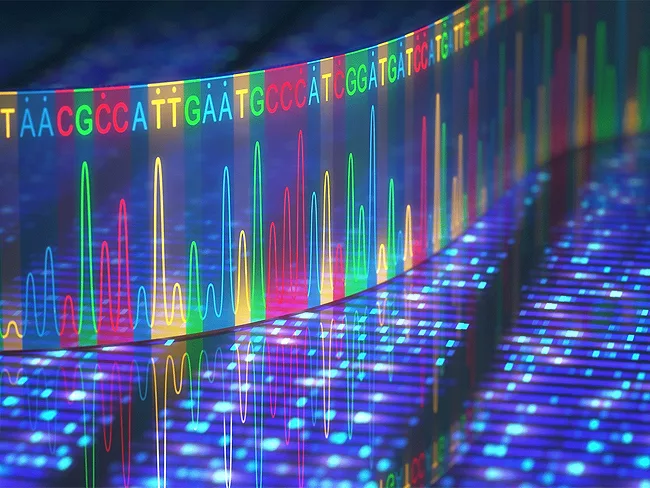
After five years and 350,000 hours of DNA sequencing, the UK Biobank has opened up access Nov. 30 to the whole genome sequences of half a million people who volunteered to give samples 15 years ago.
For biopharma, the 2023 post-pandemic reality check has been harsh, replete with sagging stock prices, bankruptcy filings and restructurings, as well as IPOs at their lowest levels in a decade. The good news, according to a handful of industry experts, is that it could be coming to an end, possibly as early as 2024.
Johnson & Johnson completed the previously unheralded acquisition of privately held Laminar Inc. for $400 million upfront, with undisclosed contingent payments depending on achievement of clinical and regulatory milestones starting in 2024. The deal provides the med-tech giant a potentially game-changing entree into the lucrative left atrial appendage (LAA) market.
With U.S. drug prices a perennial issue, several lawmakers, both Democrats and Republicans, are increasingly looking beyond biopharma to identify other “persons of interest” that may be complicit in the high list prices facing American patients.