Central nervous system specialist Cerevance Inc. has announced a multiyear strategic research collaboration with Merck & Co. Inc. to identify novel targets for Alzheimer’s disease in a deal worth more than $1.1 billion, plus royalties. Boston-based Cerevance will receive $25 million up front with the $1.1 billion due when certain development and commercial milestones are achieved.
Beta-site APP-cleaving enzyme 1 (BACE1) inhibitors have a long history of failure in patients with Alzheimer’s disease. Clinical development of verubecestat, elenbecestat, lanabecestat, umibecestat, atabecestat and LY-3202626 were all discontinued. The drugs largely showed that inhibiting BACE1 reduced amyloid beta (AB) in both cerebrospinal fluid and plasma, reduced AB plaques on PET scans and reduced phosphorylated tau. Unfortunately, patients had early cognitive worsening, and there were signs of lowering of brain volume and increases in psychiatric adverse events.
Sichuan Kelun-Biotech Pharmaceutical Co. Ltd. out-licensed an investigational antibody-drug conjugate (ADC) for the treatment of solid tumors to Merck & Co. Inc. in a deal worth up to $936 million. Sichuan, China-based Kelun-Biotech will receive $35 million up front in the deal and is eligible to receive up to $901 million in future development, approval and commercial milestone payments, as well as tiered royalties on net sales.
While the U.S. Senate Finance Committee is ostensibly investigating how big pharma is using the 2017 tax changes to avoid paying its fair share of U.S. taxes, at least one medical device company has been drawn into the probe and is being scolded for not cooperating.
Sichuan Kelun-Biotech Pharmaceutical Co. Ltd. out-licensed an investigational antibody-drug conjugate (ADC) for the treatment of solid tumors to Merck & Co. Inc. in a deal worth up to $936 million. Sichuan, China-based Kelun-Biotech will receive $35 million up front in the deal and is eligible to receive up to $901 million in future development, approval and commercial milestone payments, as well as tiered royalties on net sales.
Insider trading appears to be the U.S. SEC violation du jour. The agency filed insider trading charges against 10 individuals July 25, including a former FBI trainee and his friend who made about $82,000 and $1.3 million, respectively, from illegally trading ahead of the February 2021 announcement of Merck & Co. Inc.’s $1.85 billion tender offer to acquire Pandion Therapeutics Inc.
Barely a month after signing a €1 billion-plus deal with Menarini Group for cholesterol-lowering drug obicetrapib, Newamsterdam Pharma BV has struck a $235 million SPAC merger deal that will see the biotech list on Nasdaq in late 2022. The deal will finance phase III development and potential regulatory filings of the drug once dropped by Amgen Inc. as big pharma turned away from the cholesteryl ester transfer protein inhibitor drug class around five years ago.
Merck & Co. Inc. has snagged a $290 million development and marketing deal for Orion Corp.’s potential oral prostate cancer drug, ODM-208, which aims to suppress production of hormones that drive this form of cancer.
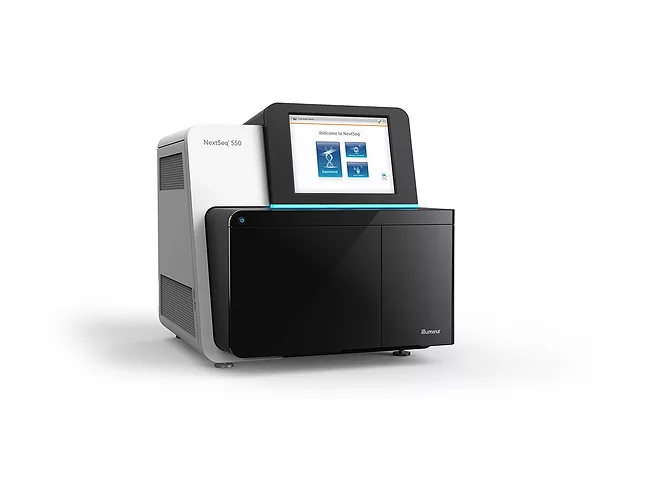
A new cancer genomic test co-developed by Illumina Inc. and Merck & Co. Inc. will soon be available globally, excluding the U.S. and Japan. The research use only Trusight Oncology 500 HRD test is designed to identify genetic mutations used in the evaluation of homologous recombination deficiency (HRD), a signal that can indicate tumor formation. The product combines HRD technology from genetic test maker Myriad Genetics Inc. and next generation sequencing (NGS) technology from Illumina.
Tilt Biotherapeutics Ltd. has closed a €10 million (US$10.7 million) round, enabling it to start two phase II trials of its armed oncolytic virus, TILT-123, in combination with checkpoint inhibitor drugs.