Announcing two licensing deals with Swiss pharma giant Novartis AG, Shanghai-based Argo Biopharmaceutical Co. Ltd. said on Jan. 7 that it stands to gain up to $4.165 billion for two of its cardiovascular assets combined. Marking the “first significant overseas out-licensing transaction in the RNAi field from a Chinese biotech company,” the deal includes an up-front payment of $185 million from Novartis to Argo.
Nearly two years after Novartis AG signed a $1.7 billion deal for options to Voyager Therapeutics Inc.’s adeno-associated virus capsids for central nervous system disorders, the Basel, Switzerland-based company secured rights to develop gene therapies for Huntington’s disease and spinal muscular atrophy in a licensing agreement potentially worth $1.3 billion.
Voyager Therapeutics Inc. has entered into a strategic collaboration and capsid license agreement with Novartis Pharma AG, a subsidiary of Novartis AG, to advance potential gene therapies for Huntington’s disease and spinal muscular atrophy (SMA).
As South Korea awaits potential changes to drug pricing policies for generics and novel ultra-expensive therapies like Novartis AG’s Kymriah (tisagenclecleucel), the domestic pharmaceutical industry is proactively voicing concerns about some policies that could do more harm than good.
The U.S. FDA has approved Novartis AG’s Fabhalta (iptacopan) as the first oral monotherapy for adults with paroxysmal nocturnal hemoglobinuria, a rare blood disease that impairs blood cell production. This is the only factor B inhibitor of the immune system’s complement pathway and is expected to be on the market before December ends. Fabhalta has plenty of competition from already-approved therapies and more treatments are in development.
Novartis AG has divulged pyrazolopyrimidine derivatives acting as methylcytosine dioxygenase TET2 inhibitors and thus reported to be useful for the treatment of cancer.
The U.S. and China biotech Apollomics Inc. on Nov. 16 gained the NMPA’s conditional approval for its cellular mesenchymal-epithelial transcription inhibitor for lung cancer called vebreltinib (APL-1010) through its Beijing-based partner, Avistone Biotechnology Co. Ltd.
The U.S. and China biotech Apollomics Inc. on Nov. 16 gained the NMPA’s conditional approval for its cellular mesenchymal-epithelial transcription inhibitor for lung cancer called vebreltinib (APL-1010) through its Beijing-based partner, Avistone Biotechnology Co. Ltd.
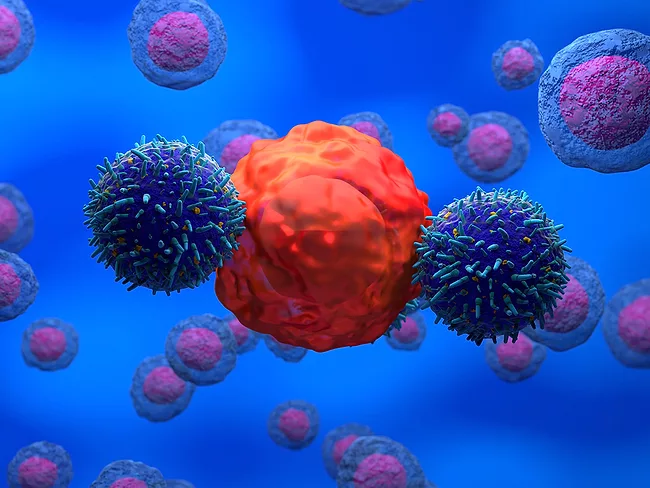
Legend Biotech Corp. is entering what it no doubt hopes will be another fruitful collaboration with big pharma. Legend’s wholly owned subsidiary, Legend Biotech Ireland Ltd., will work with Novartis AG in an exclusive global development and license agreement for chimeric antigen receptor T-cell therapies targeting DLL3.
Legend Biotech Corp. is entering what it no doubt hopes will be another fruitful collaboration with big pharma. Legend’s wholly owned subsidiary, Legend Biotech Ireland Ltd., will work with Novartis AG in an exclusive global development and license agreement for chimeric antigen receptor T-cell therapies targeting DLL3.