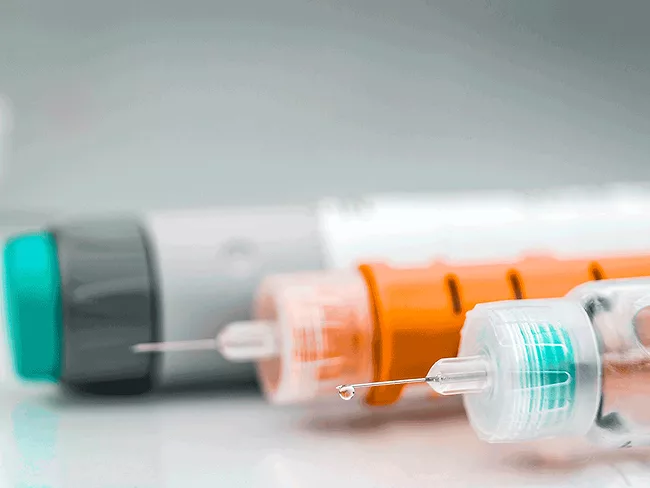
Building out its metabolic franchise, Novo Nordisk A/S is buying privately held Montreal-based Inversago Pharma Inc. for up to $1.075 billion, gaining lead asset INV-202, an oral cannabinoid 1 (CB1) inverse agonist. The candidate has demonstrated weight loss potential in a phase Ib trial and is currently in a phase II for diabetic kidney disease. Novo Nordisk’s interest in INV-202 is to explore its potential for obesity and obesity-related complications.
Investors have known for some time that the GLP-1 receptor agonist class offers tremendous promise for treating the underserved obesity population worldwide, but news from Novo Nordisk A/S on cardiovascular outcomes data sent a shiver throughout the space on Aug. 8. Top-line results from the Select trial comparing subcutaneous once-weekly Wegovy (semaglutide) 2.4 mg with placebo showed the treatment reduced major adverse cardiovascular events by a statistically significant 20%.
South Korean pharmaceutical company Hanmi Pharmaceutical Co. Ltd. may have found its footing after its misstep with Sanofi SA in 2020 for efpeglenatide, its glucagon-like peptide-1 (GLP-1) receptor agonist. On July 31, Hanmi announced that the once-dropped drug would be developed to treat obesity in the Korean population, submitting an IND application to the MFDS on July 28 to examine the once-a-week injection efpeglenatide in a phase III trial.
South Korean pharmaceutical company Hanmi Pharmaceutical Co. Ltd. may have found its footing after its misstep with Sanofi SA in 2020 for efpeglenatide, its glucagon-like peptide-1 (GLP-1) receptor agonist. On July 31, Hanmi announced that the once-dropped drug would be developed to treat obesity in the Korean population, submitting an IND application to the MFDS on July 28 to examine the once-a-week injection efpeglenatide in a phase III trial.
Eleven Therapeutics Ltd. has established a research collaboration with Novo Nordisk A/S for the identification of novel molecules that promote precise delivery of nucleic acid for cardiometabolic diseases by leveraging Eleven’s innovative Deliveri platform.
Eli Lilly and Co. is paying $13.5 million to bow out of a class action lawsuit that claimed the list price of several insulin analogue products was fraudulent. Lilly also committed to capping the monthly patient out-of-pocket cost at $35 for its insulin products for at least four years, bringing the total value of the settlement, announced May 26, to more than $500 million, according to the attorneys who filed the class action on behalf of patients in 2017.
Mixing a trendy drug for a global health problem like obesity with a demand that far exceeds the supply cooks up a recipe too good for counterfeiters to ignore.
Heartseed Inc. raised ¥2 billion (US$14.3 million) in a series D round to continue the phase I/II Lapis trial of its allogeneic induced pluripotent stem cell (iPSC)-derived cardiomyocytes for heart failure. The lead asset, HS-001, is an investigational cell therapy consisting of clusters of purified heart muscle cells (cardiomyocyte spheroids) derived from iPSCs that are designed to restore heart muscle and function in patients with advanced heart failure.
Heartseed Inc. raised ¥2 billion (US$14.3 million) in a series D round to continue the phase I/II Lapis trial of its allogeneic induced pluripotent stem cell (iPSC)-derived cardiomyocytes for heart failure. The lead asset, HS-001, is an investigational cell therapy consisting of clusters of purified heart muscle cells (cardiomyocyte spheroids) derived from iPSCs that are designed to restore heart muscle and function in patients with advanced heart failure.
Mixing a trendy drug for a global health problem like obesity with a demand that far exceeds the supply cooks up a recipe too good for counterfeiters to ignore. That’s the problem patients are facing with Novo Nordisk A/S’ semaglutide products, Ozempic and Wegovy, which have been in short supply all over the world since early last year due to significant, and unexpected, demand for weight management.