In its bid to become, as Chairman and CEO David Hallal said, the “world’s most indispensable cell and gene therapy technology company,” Elevatebio LLC disclosed a $401 million series D round with support from new and existing investors. At the same time, the company’s Life Edit Therapeutics Inc. affiliate inked a potential billion-dollar collaboration focused on gene editing therapies.
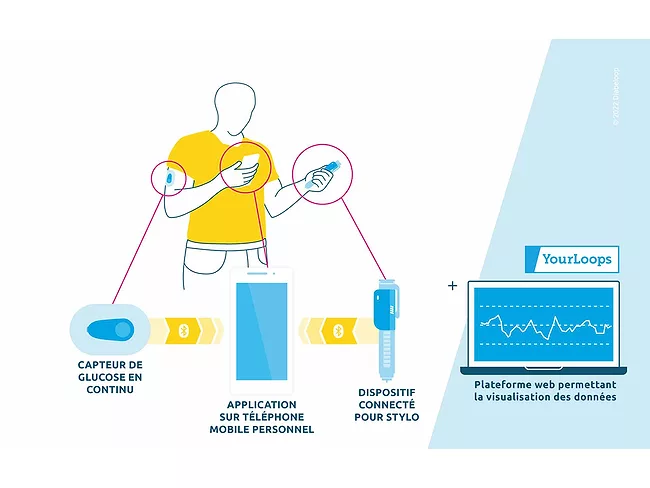
Diabeloop SA reported a partnership with Novo Nordisk A/S. The med-tech is planning to integrate DBL-4pen, its self-learning algorithm for multiple daily injection therapy, into Novo Nordisk's connected, reusable insulin pens: Novopen and Novopen Echo Plus. “Our partnership is designed to deliver more automated solutions to people with diabetes, optimizing outcomes and improving quality of life,” Cecile Ferracci, CCO of from Grenoble, France-based Diabeloop, told BioWorld.
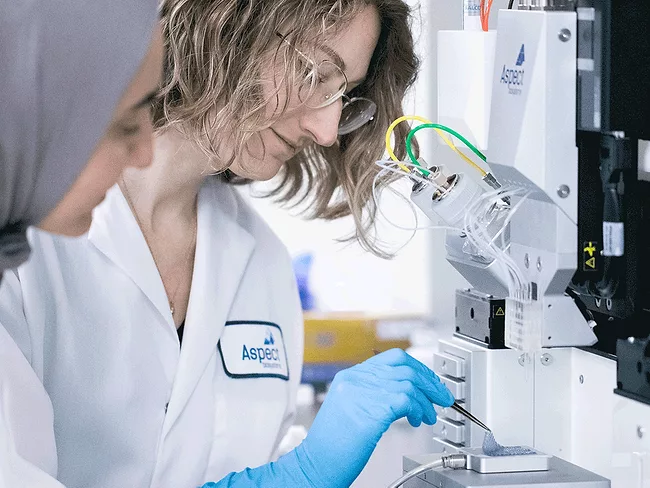
In collaborating with Novo Nordisk A/S, privately held Aspect Biosystems Ltd. entered its biggest ever deal that could bring in more than $2.6 billion while advancing its 3D, bioprinted tissue therapeutics technology. The two companies will collaborate to develop up to four diabetes and/or obesity products, a Novo specialty, using implantable bioprinted tissues to replace, repair or supplement human biological functions. The initial target will be type 1 diabetes.
At least 64 biopharma companies have announced workforce reductions so far in 2023, resulting in 6,000 jobs lost in the industry. It is a clear indication of a continuing trend begun last year in which executives needed to rein in spending to keep innovative programs afloat.
A deal worth $745 million for two small-molecule programs, with a lucrative option to expand into other modalities, brings together the diabetes and metabolic disease expertise of Novo Nordisk A/S with an artificial intelligence technology platform from Dewpoint Therapeutics Inc. Boston-based Dewpoint signed on with Bagsvaerd, Denmark-based Novo Nordisk to use the former’s biomolecular condensates discovery engine to find new drugs for diabetic complications. The drugs will target condensates that contribute to the mechanisms of insulin sensitivity and insulin resistance, a key driver of type 2 diabetes and metabolic syndrome.
Citing “serious breaches” of its code of practice, the Association of the British Pharmaceutical Industry (ABPI) suspended the membership of Novo Nordisk A/S in the trade organization for two years. The suspension marks the eighth time in 40 years that the association has invoked such sanctions.
Three months earlier than anticipated, CMS published its final local coverage determination (LCD) for continuous glucose monitors and included more people with diabetes than expected. The new policy expands coverage from individuals with type 1 diabetes or type 2 diabetes using multiple daily injections of insulin to anyone treated with insulin, essentially doubling the market for manufacturers of continuous glucose monitors (CGMs).
U.S. Sen. Bernie Sanders (I-Vt.) sent letters to Sanofi SA and Novo Nordisk A/S executives on March 1, urging them to follow Eli Lilly and Co.’s example in cutting prices for their insulin products, offering more affordable access for Americans with diabetes. Industry leaders, however, have long argued that the problem goes far beyond list price, as pharmacy benefit managers and health plans have simply not passed their rebates onto consumers.
Novo Nordisk A/S has identified novel fatty acid modified urocortin 2 derivatives acting as CRF2 receptor agonists reported to be useful for the treatment of obesity and type 2 diabetes.
Neither the courts nor the Department of Health and Human Services (HHS) get to fill in the gaps in the law that created the 340B prescription drug discount program, the U.S. Court of Appeals for the Third Circuit said, as it struck down HHS’ interpretation that requires drug companies to provide the drug discounts to an unlimited number of contract pharmacies.