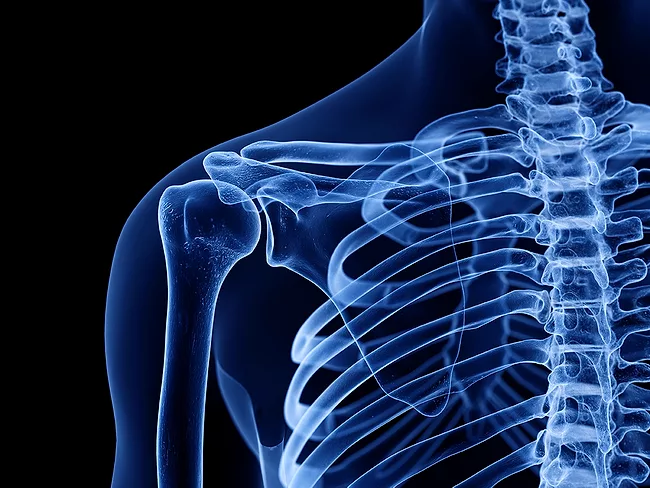
Johnson & Johnson will excise less profitable lines and markets within its Depuy Synthes orthopedics business over the next two years, management revealed in its quarterly investor call on Oct. 16. Paring its products and related pursuits could cost as much as $800 million by the end of 2025, J&J Chief Financial Officer Joe Wolk said.
Chronic rhinitis is drawing more attention from medical device makers in recent years, with solutions including cryotherapy and temperature-controlled radiofrequency disruption of posterior nasal nerves to halt the condition.
Curvebeam AI Ltd. made its debut on the Australian Securities Exchange (ASX:CVB) after raising AU$25 million (US$16.175 million) in an initial public offering that will allow the company to market its flagship Hirise weight-bearing CT scan solution globally.
With venture capital quite scarce, Australian med techs often question whether it makes sense to try to commercialize their products in their home market or whether they should partner to go offshore, but there are other options, said presenters at the Ausmedtech 2023 conference in Adelaide May 24.
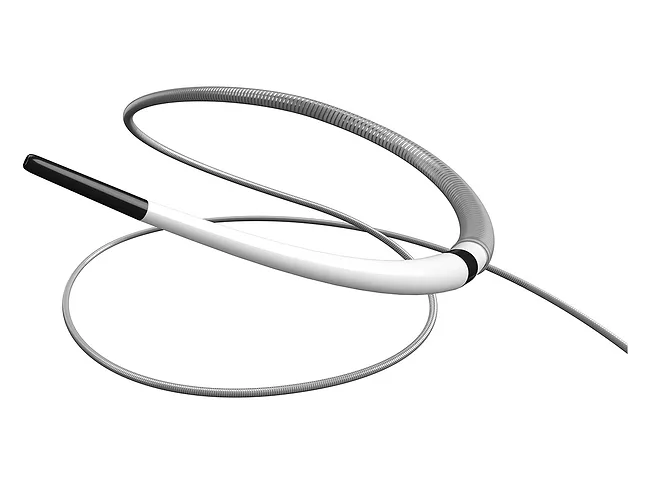
The FDA gave the greenlight to Route 92 Medical Inc. for its Freeclimb 70 reperfusion system in the treatment of ischemic stroke. The 510(k) clearance includes a Freeclimb 70 aspiration catheter, as well as a Tenzing 7 delivery catheter.
Merit Medical Systems Inc. received a U.S. FDA breakthrough device designation for its Scout MD surgical guidance system, which enables physicians to pinpoint tumor location in soft tissue. The system uses up tiny reflectors to provide multidimensional location data that can improve the ability to remove the entire tumor with minimal trauma to the surrounding tissue, which can be a challenge in surgeries such as lumpectomies.
Globus Medical Inc. entered into a definitive agreement to buy Nuvasive Inc. in an all-stock transaction that will combine two leaders in the musculoskeletal industry into one of the largest companies in the spinal surgery market. While there are many companies in the spine market, the acquisition may still set off an alarm among regulators concerned about consolidation in the field. Both boards unanimously approved the deal.
The annual North American Spine Society (NASS) Conference wraps up in Chicago on Oct. 15 and management discussions and analysts make it clear that the sector is not yet back to normal. While September showed an uptick in procedures, spinal surgery continues to lag the recovery seen elsewhere in orthopedics. As the challenges of the past two years recede, two players have posted notable gains in market share and revenue—Globus Medical Inc. and Alphatec Holdings Inc.—perhaps indicating a competitive advantage for smaller, more agile companies.
Stryker Corp. reported the launch of its Q Guidance system for spine applications. The system leverages new optical tracking options via a redesigned camera with the advanced algorithms of the newly released Spine Guidance software.
More than 1.6 million spinal procedures are performed in the U.S. each year and between 10% and 30% of them fail to achieve their objective, indicating that the field has abundant room for improvement. Both equipment manufacturers and the FDA hope to improve spinal surgery success rates as seen in two clearances granted on May 31.