The Medicare new technology add-on (NTAP) program is a vital source of reimbursement rates for novel technologies, and several NTAP applications were extended by a year in 2021 because of the COVID-19 pandemic. That extension is set to expire for several key products, including the Eluvia drug eluting stent by Boston Scientific Corp., of Marlborough, Mass., and the Spinejack system by Stryker Corp., of Kalamazoo, Mich., forcing these companies to amortize their R&D costs at a more conventional pace.
Stryker Corp. reported that it signed a definitive merger agreement to acquire Vocera Communications Inc. for $2.97 billion in an all-cash transaction expected to close in the first quarter of this year. Vocera provides digital care and communication services, which Stryker said will designed to help hospitals connect caregivers and various data-generating medical devices such as wearables, paired beds, ambulation equipment, badges and alarms.
Stryker Corp.’s analyst day provided comfort to those concerned about the company’s ability to return to its strong pre-pandemic revenue and earnings growth after its lower than expected third-quarter earnings results. Management offered positive reports of fourth-quarter trends and a long-term strategy unfolding according to plan.
Stryker Corp. has made its second acquisition of the year, picking up Gauss Surgical Inc. – the developer of an artificial intelligence (AI) platform for real-time monitoring of blood loss during surgery. Financial terms of the deal were not disclosed. Kalamazoo, Mich.-based Stryker’s shares (NASDAQ:SYK) were trading 5% higher following the acquisition. Menlo Park, Calif.-based Gauss Surgical’s Triton AI technology aims to fill a void in maternal health by enabling early detection of hemorrhage.
The annual scramble for elevated payment rates under the U.S. Medicare inpatient rule has concluded, and at least one artificial intelligence product came up short in its bid for a new technology add-on (NTAP) payment. However, Medtronic plc, Boston Scientific Corp. and Cook Medical Inc. all secured or sustained NTAP payments for products that are critical for patients with a variety of life-threatening conditions, such as severe pulmonary valve regurgitation in pediatric patients.
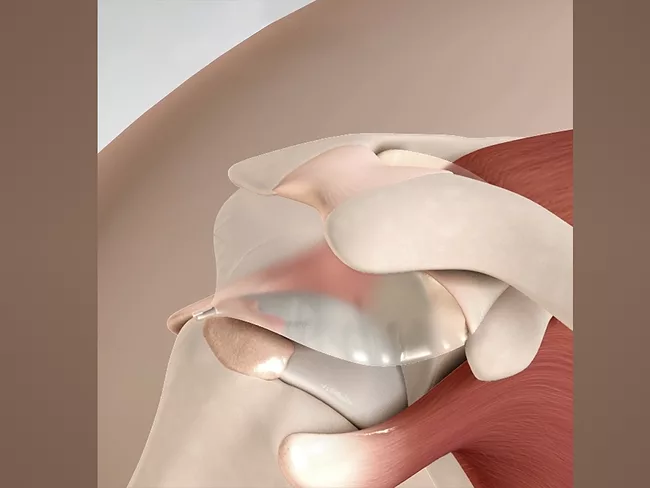
Stryker Corp. has won the FDA’s nod for an implantable balloon spacer to aid in the healing of torn rotator cuffs. The de novo clearance of the Inspace subacromial tissue spacer system comes more than a decade after the biodegradable shoulder repair implant first debuted in European markets. The minimally invasive Inspace device is intended for arthroscopy treatment of massive irreparable rotator cuff tears (MIRCTs).
The latest global regulatory news, changes and updates affecting medical devices and technologies, including: FDA sets up webpage, template for screening; Stryker’s STAR ankle exhibiting fracture risk.
Stryker Corp. reported Jan. 27 that per-share earnings for the fourth quarter of 2020 reached $2.81, but organic sales fell roughly 1%, largely an artifact of the COVID-19 pandemic. The company’s acquisition of Wright Medical Group NV, of Amsterdam, is part of a source of optimism for the company, however, as is the fact that the company’s sales in emerging markets continue to buoy Stryker’s outlook for 2021.
The latest global regulatory news, changes and updates affecting medical devices and technologies, including: EPA posts ethylene oxide rule on OMB agenda; HHS announces sustained support for testing; FTC gives nod to Stryker/Wright deal.
Corrective and preventive action (CAPA) has a long and difficult history where med tech is concerned. Kathryn Merrill, the global quality/regulatory program director for Medtronic plc, of Dublin, said on a recent webinar that one of the main sources of uncertainty is that many in industry are not clear as to which circumstances dictate that a CAPA should be opened.