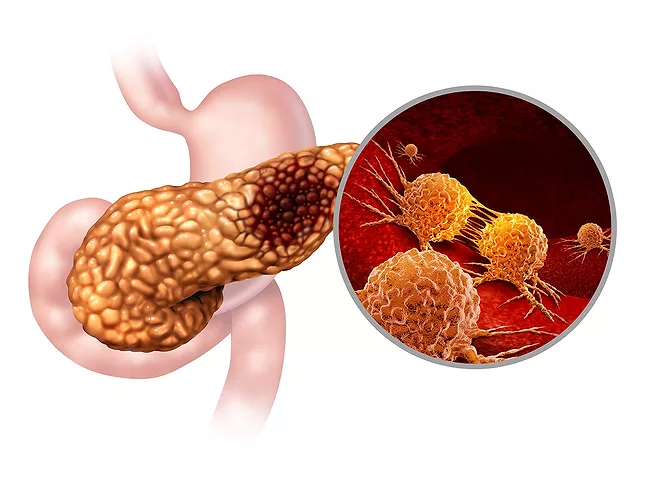
Tango Therapeutics Inc. will be sitting down with the U.S. FDA soon to discuss pivotal work ahead based on what Cantor analyst Eric Schmidt called “amazing” data from the phase I/II study of vopimetostat, a PRMT5 inhibitor, paired with Revolution Medicines Inc.’s RAS(ON) inhibitors in patients with MTAP-deleted and RAS-mutant metastatic pancreatic ductal adenocarcinoma (PDAC) as well as non-small cell lung cancer.
Tango Therapeutics Inc. has synthesized substituted piperidine-dione molecular glue degraders comprising E3 ubiquitin ligase-binding moiety and acting as HBS1-like protein (HBS1L; HBS1) degradation inducers for use in the treatment of cancer.
Researchers from Tango Therapeutics Inc. presented preclinical efficacy data on TNG-456, a selective MTA-cooperative PRMT5 inhibitor under development for the treatment of glioma and other tumors that frequently metastasize to the brain, such as non-small-cell lung cancer.
Researchers from Tango Therapeutics Inc. presented preclinical efficacy data on TNG-260, an inhibitor of the co-repressor of repressor element-1 silencing transcription (CoREST) deacetylase complex, designed to treat immunotherapy-resistant STK11-mutant tumors.
Loss of FOCAD in cells impairs normal mRNA surveillance, creating a dependency on the HBS1L/PELO complex for ribosome rescue and identifying HBS1L as a potential synthetic lethal target and therapeutic vulnerability.
Leading advances in cancer research, the 2025 AACR-NCI-EORTC International Conference on Molecular Targets and Cancer Therapeutics highlighted some of the field’s most promising innovations. Parabilis Medicines Inc. and Tango Therapeutics Inc. presented their work on potential therapeutic targets that may signal significant shifts in the future of cancer treatment.
Tango Therapeutics Inc. plans a pivotal study next year in second-line MTAP-deleted pancreatic ductal adenocarcinoma based on positive phase I/II data with next-generation MTA-cooperative PRMT5 inhibitor vopimetostat (TNG-462) in patients with tumors of that type.
Researchers from Tango Therapeutics Inc. have unveiled DNA ligase 1 (LIG1) as a potential new therapeutic target for synthetic lethality in BRCA1-mutant cancers after CRISPR/Cas9 screening.
Work at Tango Therapeutics Inc. has led to the identification of new ubiquitin carboxyl-terminal hydrolase 1 (USP1) inhibitors reported to be useful for the treatment of cancer.