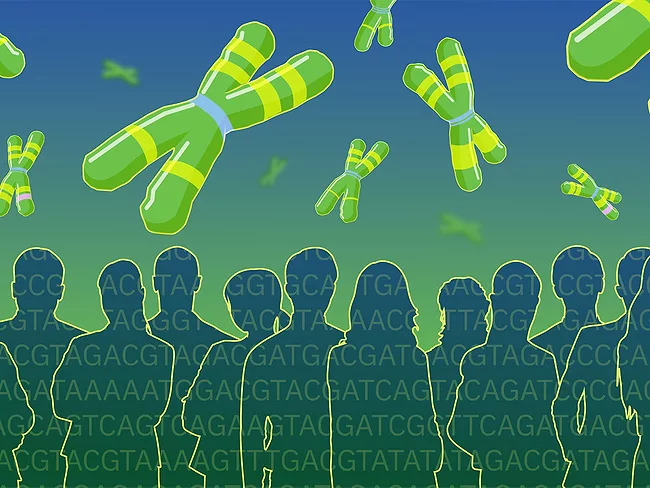
The human genome has yielded another round of secrets with the publication of two back-to-back papers in Nature on July 23, 2025. Both studies re-sequenced probands from the open-access 1000 Genomes Project, which was one of the first projects to sequence individuals from diverse populations. While one paper “goes very deep and tries to reconstruct a few genomes to basically near completion,” the other specifically looked at structural variants in a larger number of genomes. Together, they give new insights into genome variation.
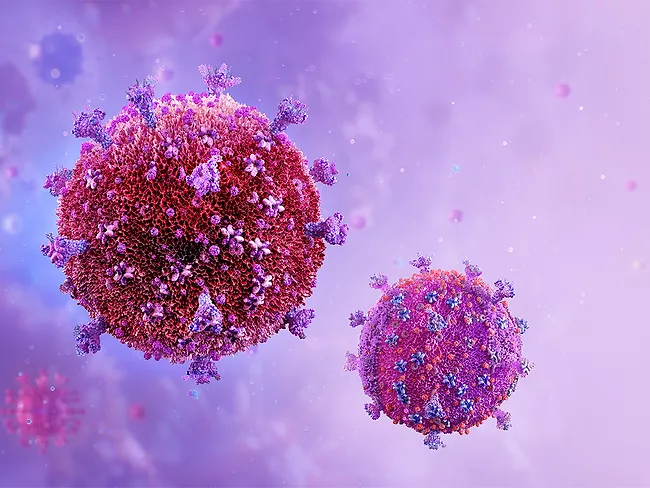
We all look different to HIV, a virus that destroys the immune system. The defensive cells record every interaction with foreign agents, infections from viruses and bacteria, but also with mechanisms occurring within the body, such as microbiome metabolism, the effects of aging, or the development of diseases. At a preconference session at the 13th IAS Conference on HIV Science (IAS 2025), scientists explained the interactions of different microorganisms with HIV.
There is still no effective vaccine or cure for HIV. Scientists are considering options ranging from longer-term antiretroviral therapy (ART) that space out injections by several years to long-lasting pre-exposure prophylaxis (PrEP) that acts as a vaccine while immunization is achieved. What else can be done?
After two decades of research elucidating the basic science, Tafalgie Therapeutics SA has delivered the first clinical data for its non-opioid analgesic.
Scientists at Newcastle University U.K., have reported the births of eight healthy babies following mitochondrial transfer, in which the fertilized egg of a woman carrying mutations in their mitochondrial DNA was placed in the enucleated egg of a non-carrier.
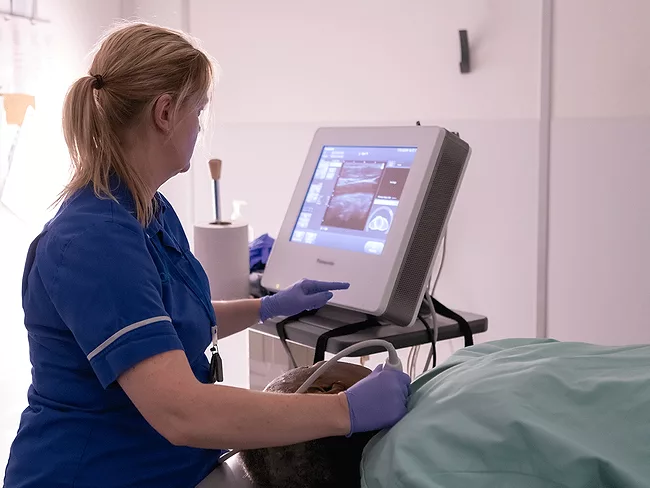
After a 10-year project and a £60 million (US$80 million) investment, the UK Biobank has completed the whole body scans of 100,000 volunteers and is making the 1 billion images available for researchers worldwide.
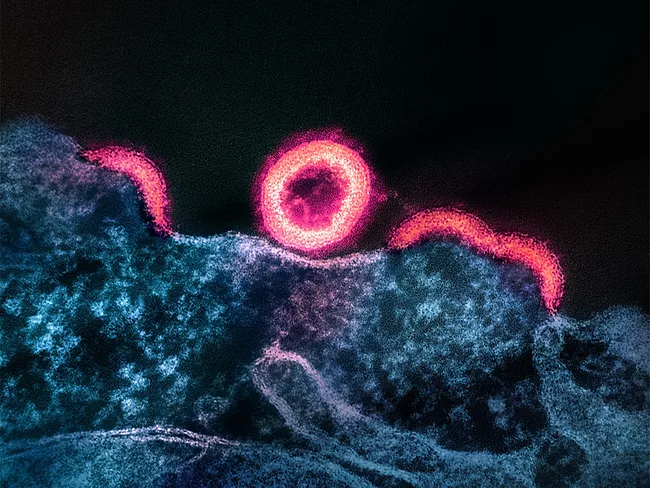
While people living with HIV can lead virtually normal lives thanks to antiretroviral therapy (ART), HIV persists in a latent state within cellular reservoirs that scientists do not know how to eliminate. “Transcription is a critical step in the viral life cycle. … But there are currently no drugs suppressing HIV transcription, and that may be one of the reasons why current antiretroviral therapy is not curative,” Melanie Ott told the audience at the 13th IAS Conference on HIV Science this week in Kigali, Rwanda.
The switch will be flicked today to make the world’s largest dementia-related proteomics dataset freely available to researchers, at the same time as members of the consortium which compiled it publish the proteomics signatures of major neurodegenerative diseases that they uncovered in a first trawl of the data.
At first blush, the brain’s extracellular matrix (ECM) seems like the opposite of synaptic plasticity. Plasticity is the ability to change; the ECM is stable, to the point that it is often described as a scaffold – something to lend stability. “ECM proteins have some of the longest lifetimes of any protein in the brain,” Anna Molofsky told her audience at the XVII Meeting on Glial Cells in Health and Disease, which is being held in Marseille this week.
Representatives of patients’ groups, industry bodies and venture philanthropy funders are calling for a renewal of the U.K. Rare Diseases Framework, to put fresh momentum behind translational research and clinical trials, streamline regulatory oversight and improve access to therapies.
 RSS
RSS