Findings from three recent studies are shedding light on the pathways that are activated in severe cases of COVID-19, paving the way for earlier diagnosis and more targeted treatments.
Age is the biggest risk factor for just about every common disease in high-income countries, which suggests that slowing down cellular aging would have massive effects on individual and public health. Delaying the average onset of Alzheimer’s disease by five years, for example, would roughly halve its prevalence. But in practice, there are no approved anti-aging medications.
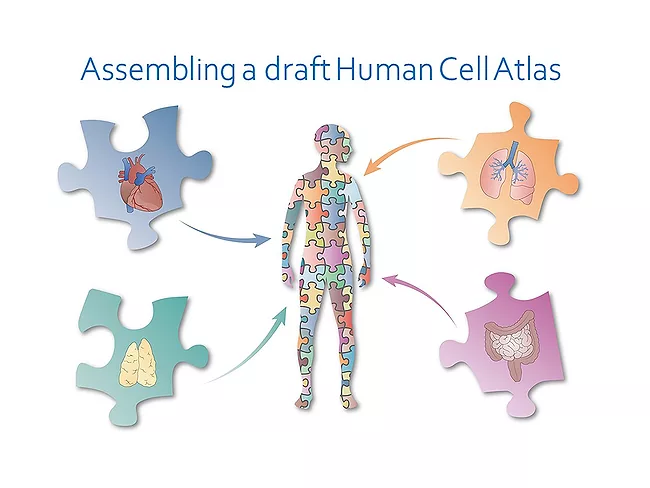
“People often think about the genome as the blueprint of the organism, but that’s not really correct,” Steven Quake told reporters at a Science press briefing earlier this week. “The genome is more of a parts list, because every cell type uses different parts.” Quake is president of the Chan Zuckerberg Biohub Network, and professor of bioengineering and applied physics at Stanford University.
More than 10% of Americans suffer from chronic pain, and how to prevent acute pain from turning chronic has been a critical question in pain research. But according to a study published in the May 11, 2022, issue of Science Translational Medicine, that approach has it backwards. In several animal models of pain, the resolution of acute pain was an active process. Chronic pain happened when those active processes failed to occur.
There are 40 years of history behind the development of phosphoinositide 3-kinase (PI3K) inhibitors, Rebecca Dent told her audience at ESMO Breast Cancer 2022. And there have been success stories. There are five FDA-approved PI3K inhibitors in several cancer types, and in April, the FDA approved Vijoice (alpelisib; Novartis AG) for PIK3CA-related overgrowth spectrum, a rare disorder resulting from germline mutations of PIK3CA.
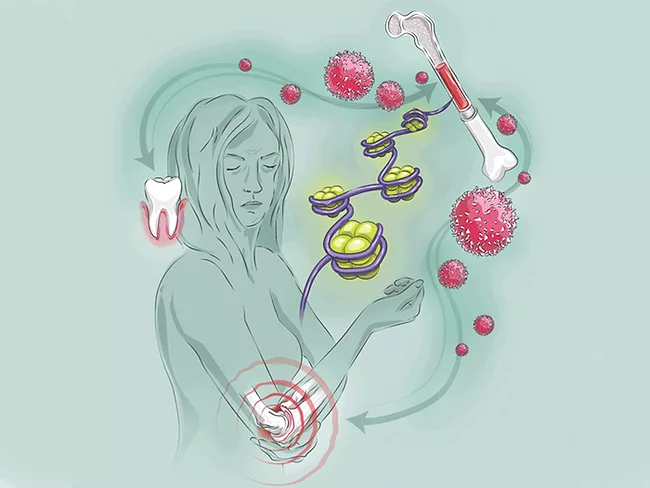
Researchers at the University of Pennsylvania have gained new insight into how different inflammatory conditions reinforce each other via trained innate immunity.
Antibiotics drugs discovery, Ursula Theuretzbacher told the audience at the 2022 European Congress of Clinical Microbiology & Infectious Diseases (ECCMID), has more than one challenge to overcome.
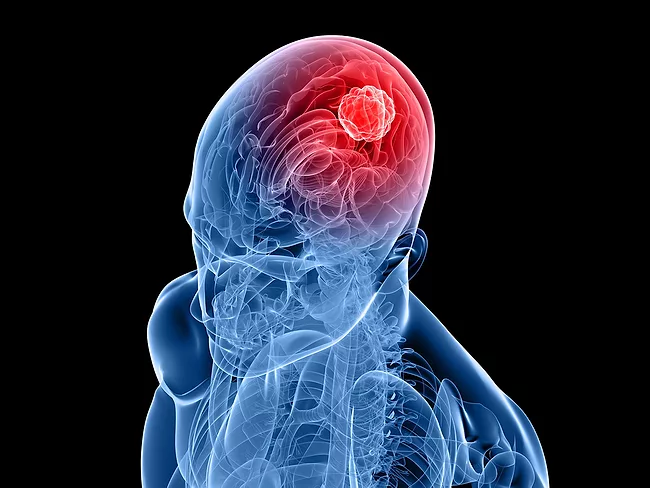
The tumor microenvironment is critical for the ability of cancers to survive and grow, and some aspects of the microenvironment are studied, and targeted, accordingly. Tumor immunology is one of the most active areas of cancer research and has become a pillar of treatment. Others, not so much. “The nervous system is the last component of the microenvironment that people have left completely unrecognized,” Humsa Venkatesh told BioWorld. Even in brain tumors and metastases, where the presence of neurons is glaringly obvious, there has been little attention to how the two interact until recently.
“We’re still a far cry from reproducible, durable benefits” with CAR T cells targeting solid tumors, Crystal Mackall told the audience at the 2022 annual meeting of the American Association for Cancer Research (AACR). But “we’re beginning to see some signals.” Mackall is the founding director of the Stanford Center for Cancer Cell Therapy.
Investigators at Boston Children's Hospital have demonstrated that SARS-CoV-2 infection of blood monocytes and lung macrophages in the lung could kill the cells via pyroptosis, increasing inflammation and leading to severe COVID-19.
 RSS
RSS