Clinicians at the University of Maryland have transplanted a heart from a genetically modified pig bred by Revivicor Inc., a subsidiary of United Therapeutics Corp., into a patient with end-stage heart failure.
LONDON – T cells generated as a result of infection with common cold coronaviruses provide cross-protection against being infected with SARS-CoV-2, according to a new study.
Combining the metabolites glutamine or inosine with ampicillin (AMP) could represent a new therapeutic approach to antimicrobial resistance that also avoids the development of acquired resistance to next-generation antibiotics, according to a new Chinese study led by scientists at Sun Yat-sen University (SYSU) in Guangzhou.
Researchers at PTC Biotherapeutics Inc. have identified orally available small-molecule compounds that broadly lowered the levels of mutant huntingtin protein in both the brain and the periphery by affecting its splicing. One of those compounds, PTC-518, is currently in phase I trials as a therapy for Huntington's disease.
It is acknowledged that the huge bias toward individuals of European ancestry means studies of the contribution of genetics to disease may not translate well to other ethnicities. That point is underlined in the first large-scale investigation of the population structure and demographic history of British Pakistanis, which shows an increased number and length of regions of homozygosity inherited from a common ancestor, and greatly elevated identity by descent, compared to the population at large.
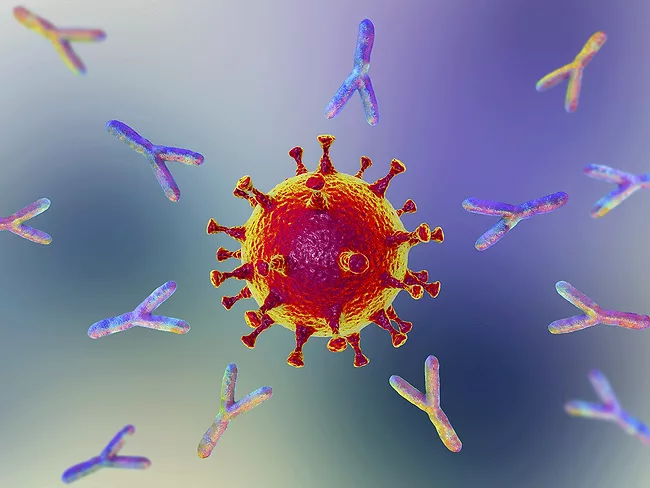
LONDON – A suite of papers rushed through peer review and published in Nature late on Dec. 23, 2021 contain data indicating approved monoclonal antibody drugs designed to neutralize SARS-COV-2 have substantially weaker activity against the Omicron variant.
Attempts to modernize the conceptual framework of brain function and dysfunction are one prerequisite for brain disorders to benefit from precision medicine. For the circuit-based insights that are slowly emerging to benefit patients, though, better targeting methods are needed.
Brain disorders have not yet profited from advances in precision medicine to the same extent that other disorders have. With the advent of magnetic resonance imaging and other technologies, watching the brain at work has made great strides in recent decades. But those data have often been shoehorned into the categories of the Diagnostic and Statistical Manual of Mental Disorders. Researchers are working to bring diagnostic categories in line with a modern understanding the brain.
Clonal hematopoiesis of indeterminate potential (CHIP) was associated with a 35% reduced risk of Alzheimer's disease (AD) in studies presented at the plenary session of the American Society of Hematology (ASH) annual meeting on Sunday.
Far from the Groundhog Day spectacle of amyloid-targeting antibodies that do little to nothing for patients in trial after trial, researchers have reported success in reducing the risk of Alzheimer’s disease (AD) in unexpected ways. Researchers at the Cleveland Clinic Foundation have discovered that a Viagra prescription was associated with a roughly 70% reduced risk of being diagnosed with AD. And investigators from the University of Washington reported that in the prospective Adult Changes in Thought study, a long-term study into risk and protective factors for dementia, persons who underwent cataract surgery reduced their risk of AD by 30%, an effect that lasted for 10 years after surgery.
 RSS
RSS